1.Application Description
Specialized cranes for container yards
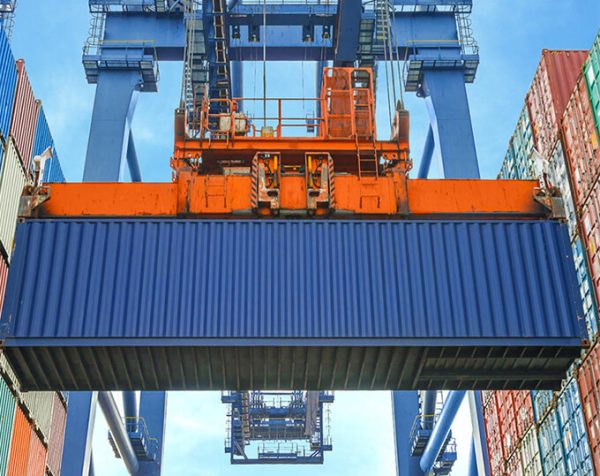
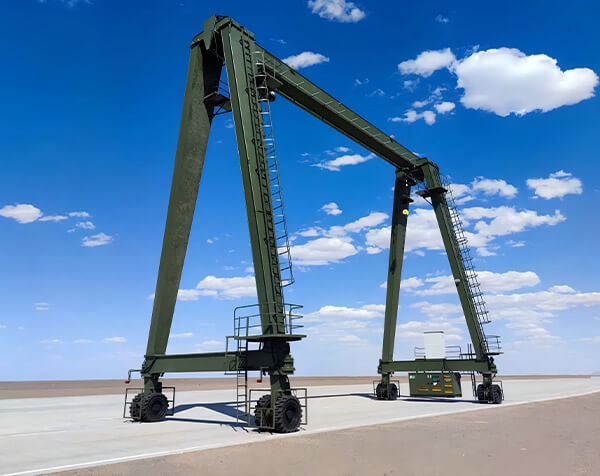
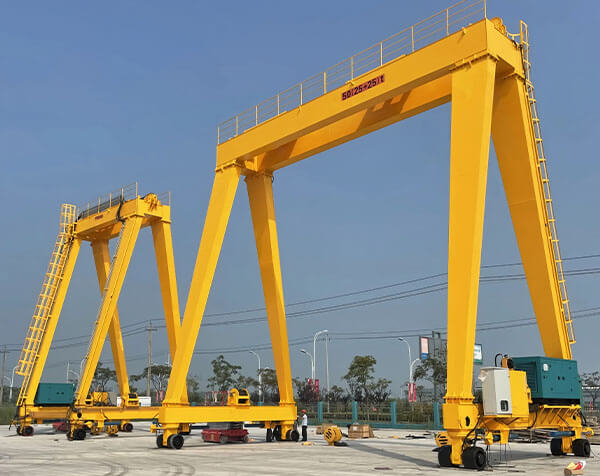
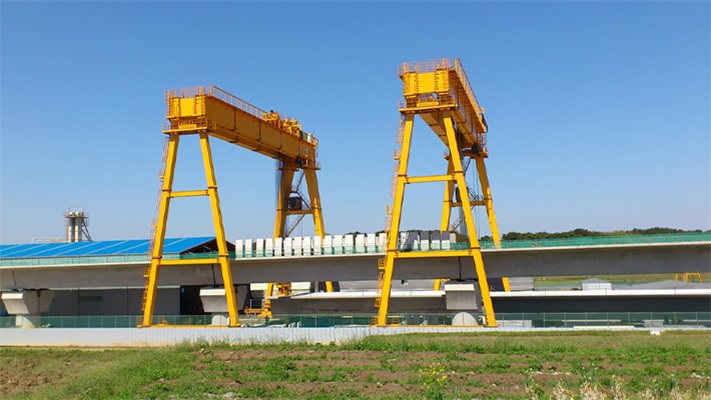
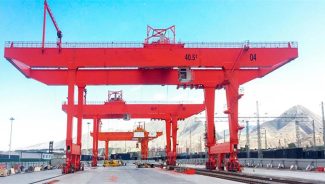
Roller-mounted container cranes (RTGs) are specialized machines used in large, professional container yards for loading and unloading standard containers. They are suitable not only for container terminal yards but also for dedicated container yards.
2.Mechanical Structure:
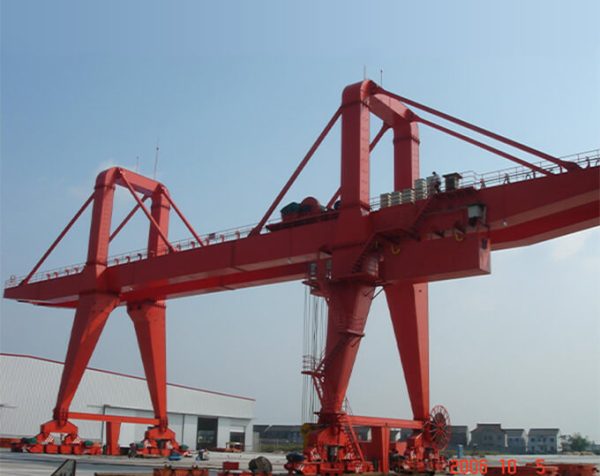
The main mechanical components of a RTG include hoisting mechanisms, trolleys, overhead cranes, spreader arms, electrical room, driver's cab, functional operating station, diesel engine room, and lithium battery room.
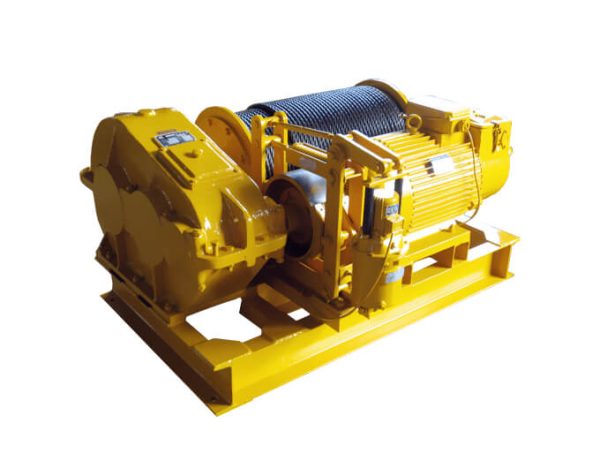
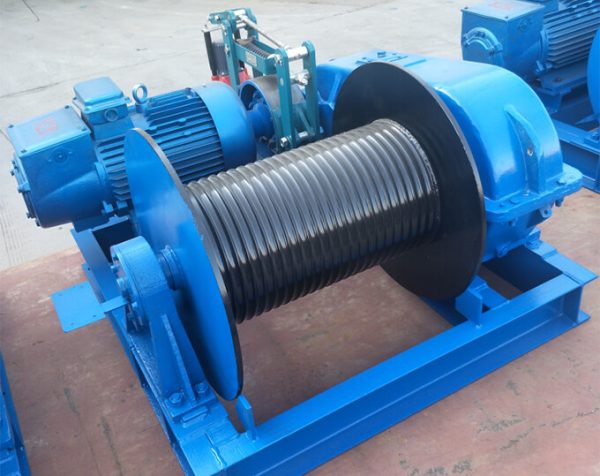
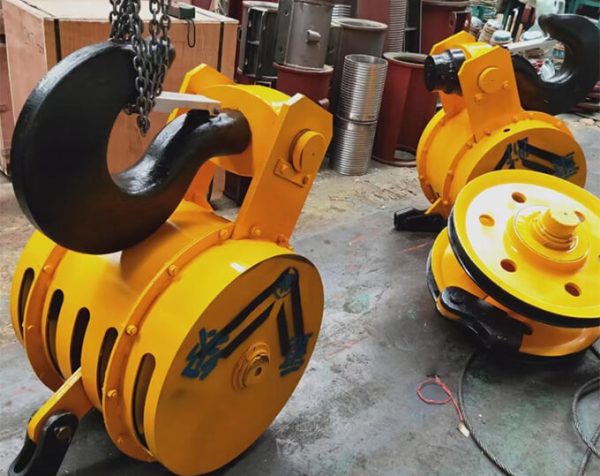
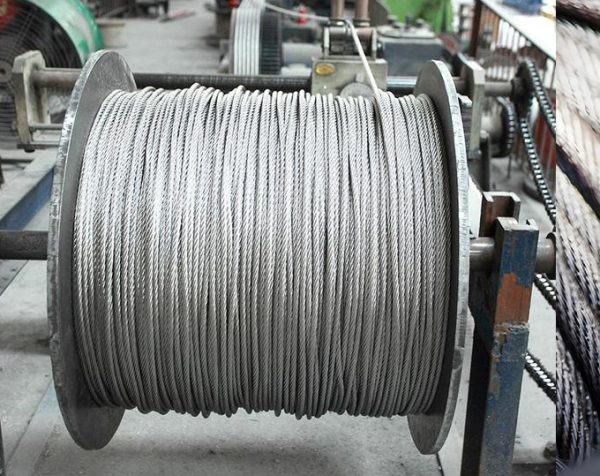
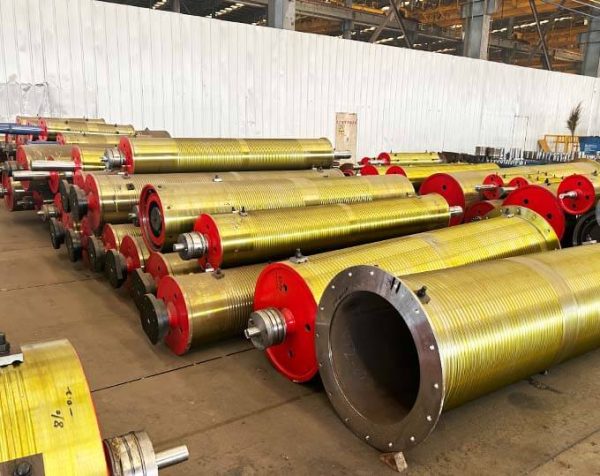
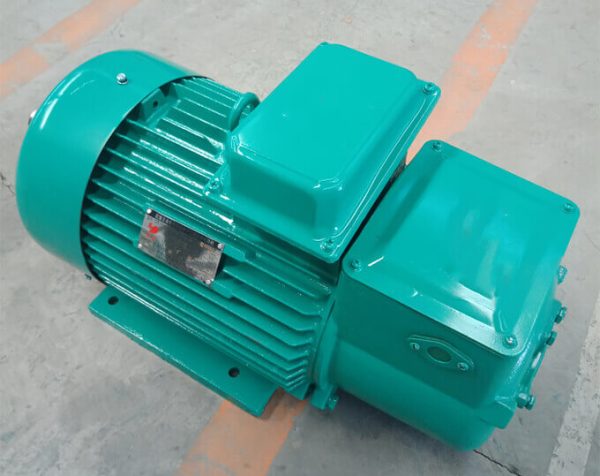
The hoisting mechanism consists of wire ropes, drums, hoisting brakes, and hoisting motors; this is the crane's primary function. The lifting height allows for the lifting of a 40-foot-long, 9’6” high container, traversing four (or five to six) stacked containers.
The trolley mechanism includes a driver's cab, trolley frame, and spreader. The trolley's running mechanism can use a rack and pinion system or dual-axle/single-axle drive, ensuring smooth operation. The driver's cab is located under the trolley frame, where the operator controls the entire crane. Four limit switches are typically installed: forward stop, forward deceleration, rear deceleration, and rear stop.
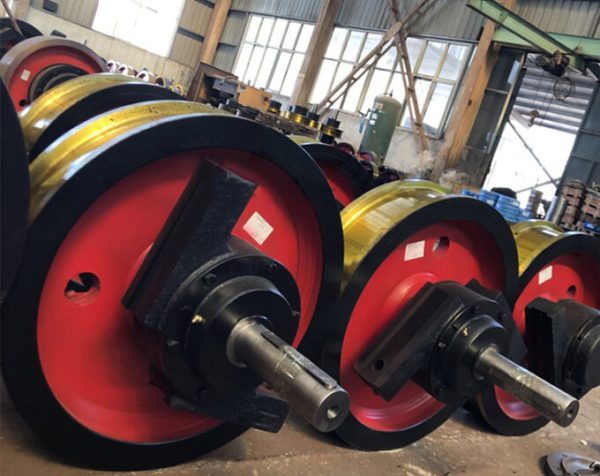
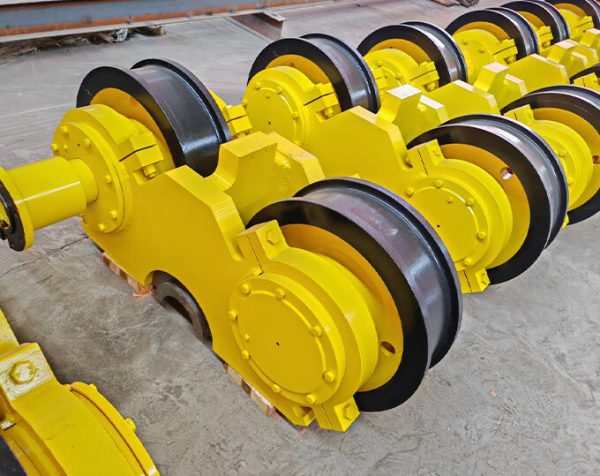
The gantry mechanism is supported by 4, 8, or 16 large tubeless tires, the number of which is designed according to the wheel pressure requirements of the terminal yard. The gantry's traveling mechanism can be four-wheel or two-wheel drive; typically, each gantry has one drive wheel and chain driving one driven wheel. To prevent collisions between gantry cranes and between gantry cranes and containers, a manual alignment system and corner guards for the gantry are provided. For site changes, the trolley is equipped with a steering mechanism ranging from 0° to 90°. When the trolley angle is turned 16° or 18°, the entire machine can rotate in place. Generally, the span of the yard crane is standardized at 23.47 meters (six rows plus walkways), but non-standard spans are also available.
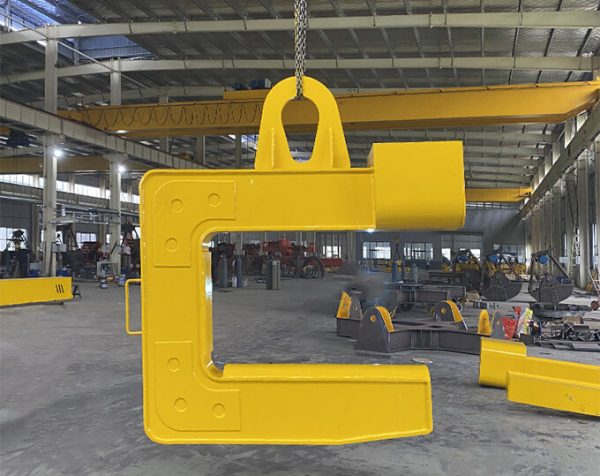
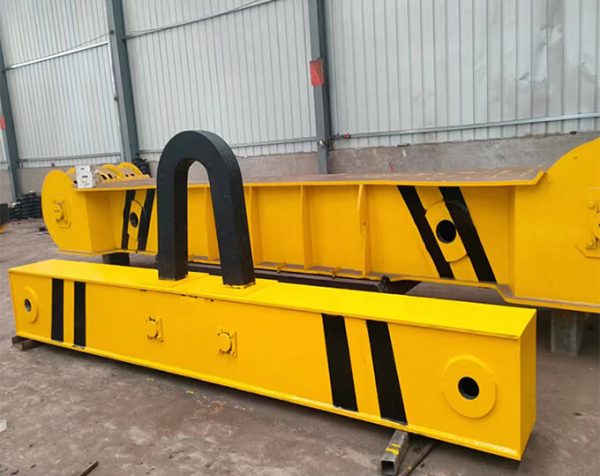
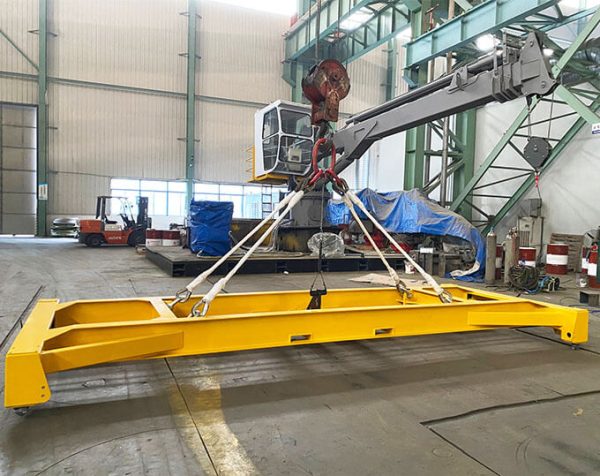
Spreaders are categorized by the number of lifting containers: single-container and double-container. They are also categorized by lifting weight: 41 tons, 51 tons, 65 tons, 120 tons, etc. Lifting dimensions: 20 feet, 40 feet, 45 feet. The number of ropes: four ropes, eight ropes, sixteen ropes, etc. Yard crane spreaders mostly use fixed guide plates. To reduce spreader sway, anti-sway devices are installed. Early anti-sway devices were mechanical and hydraulic; the latest spreaders generally use electric anti-sway devices. For easy container adjustment, a small-angle slewing device is installed.
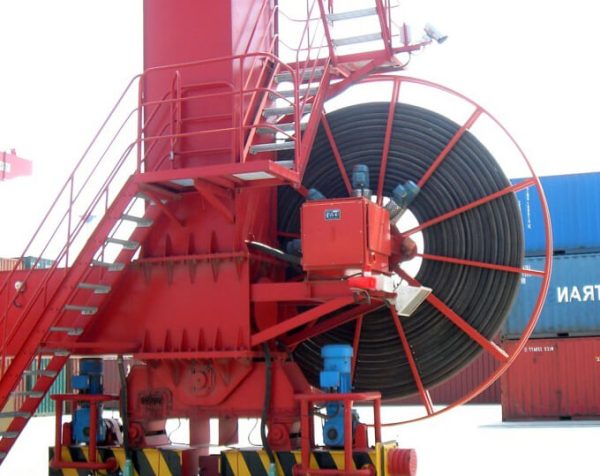
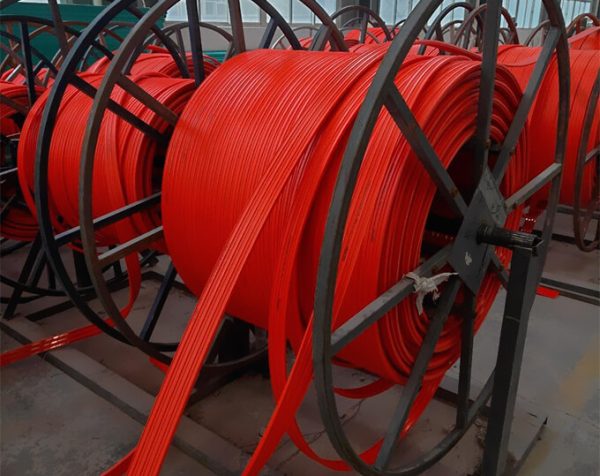
Power station (engin) Room: Depending on the power type, there may be a diesel engine room, a lithium battery room, or a power supply room if a mains-powered sliding contact line is used. With the development of new energy battery technology worldwide, by 2023, Japan already had power systems using hydrogen fuel cells.
3.Electrical Control System
The electrical control system of the hoisting crane has evolved from electronic control systems to low-voltage electrical control, and now to programmable logic controller (PLC) control. PLCs are widely used in the electrical control systems of port machinery. Early electric drives used DC motor speed control systems, later gradually adopting AC cascade speed control, and currently, the industry generally uses AC motor frequency conversion speed control. The hoisting motor control system has excellent speed regulation and constant power control, and can automatically adjust the lifting speed according to the weight inside the container. Both the trolley and crane motors can be set to intelligently adjust deceleration to ensure safe operation within the movement range.
4.Safety Measures:
In terms of safety facilities, overload protection, diesel engine overspeed protection, and overheat protection are provided. Low oil pressure warning devices, wind speed indicator, typhoon anchoring device, emergency stop button, limit switches for each mechanism, radar detection and signal indication, etc.
5.Subsystems:
In addition, RTGs worldwide typically offer optional features such as DGPS (Automatic GPS Satellite System), ECMS, RCMS (Fault Display and Control Room Communication System), spreader truck scanning, trolley laser scanning, truck anti-lifting, anti-bowling system for controlling spreader accuracy, monitoring system, trolley lifting device to facilitate trolley steering and reduce tire wear, and boarding elevators.





-600x476.jpg)