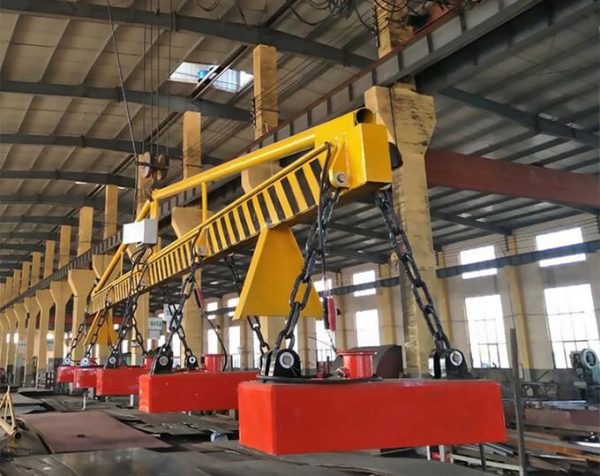
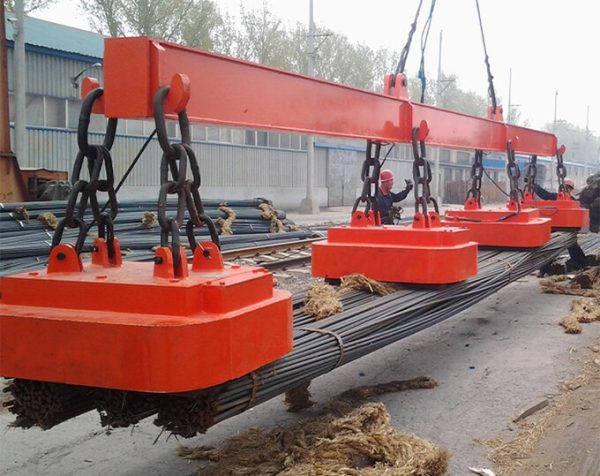
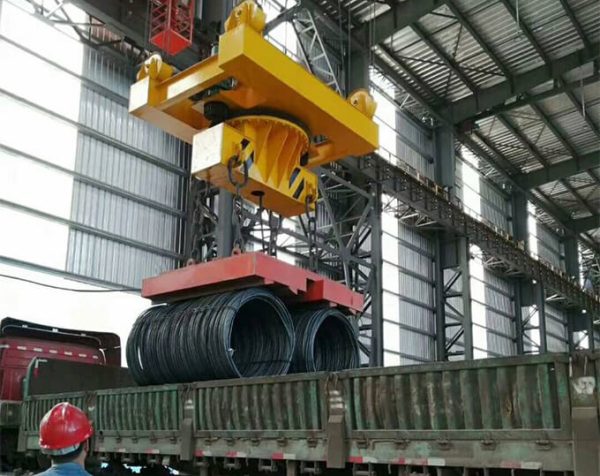
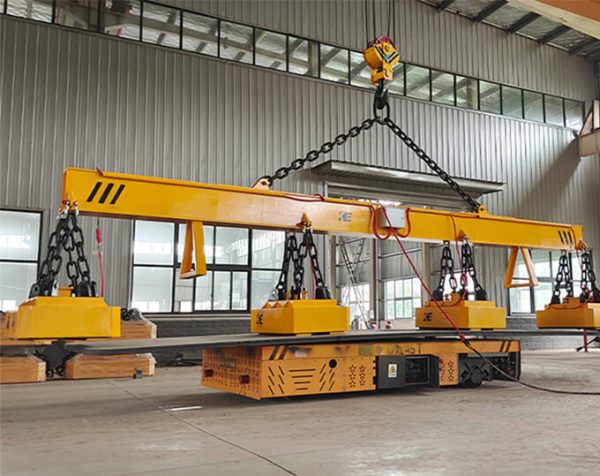
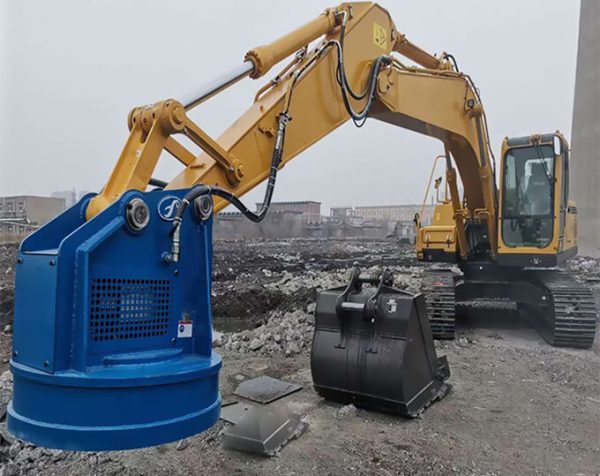
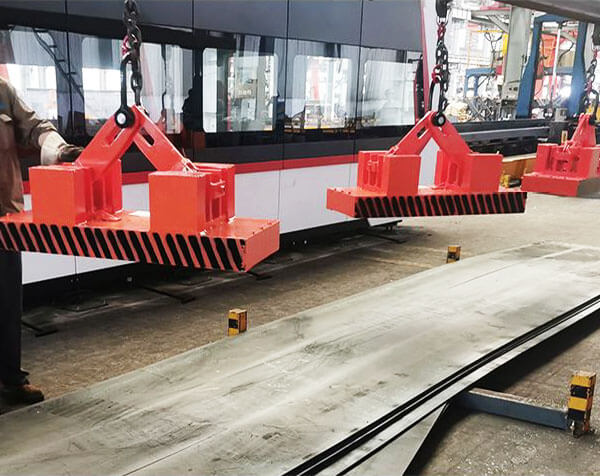
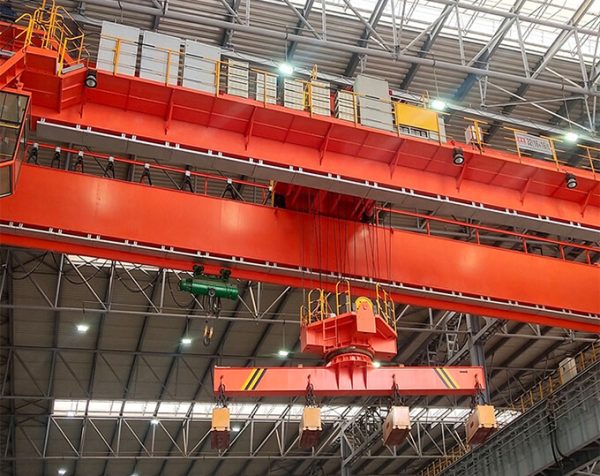
Electro-permanent magnet (EPM) lifters represent a significant advancement in material handling for industries such as steel fabrication, shipbuilding, and heavy construction. By harnessing a blend of electrical energy and permanent magnet technology, they provide a swift, powerful, and controlled method for lifting ferrous materials. Given that the loads handled—large steel plates, structural beams, and pipes—often weigh several tons, strict adherence to operational protocols is not just recommended; it is mandatory to prevent catastrophic accidents.
This structured guide outlines the nine essential safety and operational rules that every operator and site supervisor must know and follow to ensure the safe, efficient, and reliable use of EPM lifting equipment.
1. Secure Power Connection
Before any operation, ensure the power plug for the control cabinet is fully inserted and securely locked in place. A critical preceding step: the main power switch inside the control cabinet must be turned OFF before plugging in or unplugging the connector to prevent electrical arcing and potential damage.
2. Prepare a Clean Work Surface
The contact surface of the steel plate must be thoroughly cleaned of all contaminants, including weld slag, dirt, rust, and oil. Any debris reduces the effective contact area between the magnet face and the load, severely compromising lifting force and creating a major hazard for load detachment.
3. Follow the Correct Lifting Sequence: Contact First, Then Magnetize
The proper sequence is non-negotiable. First, lower the lifter so it makes full, flat contact with the load, and ensure the lifting slings or chains are slack. Only after full contact is achieved should you energize (magnetize) the lifter.
4. Follow the Correct Landing Sequence: Ground First, Then Demagnetize
The landing procedure is equally critical. First, lower the load completely to the ground and wait for all lifting connections to go slack. Only then is it safe to de-energize (demagnetize) the lifter. Demagnetizing while a load is suspended is strictly prohibited.
5. Obey the Red Warning Light
An illuminated red warning light on the control panel indicates a system fault or unsafe condition. Lifting is absolutely prohibited when this light is on. The fault must be identified and resolved before operations can resume.
6. Understand the Status Indicator Lights
- Yellow Light: Signals weak or intermediate magnetization. This often appears during initial activation or when using specific penetration depth settings.
- Green Light: Indicates full, secure magnetization. The load is safely held.
- No Light / Light Off: Signifies the demagnetized state. The lifter has no holding force.
7. Allow Time for Full Magnetic Penetration
When using lower magnetic penetration settings (typically levels 1-8 for thinner materials), the system will start in a weak magnetic state (yellow light). After initiating the lift, you must wait for the system to stabilize—usually around 20 seconds—until the green "full magnet" light illuminates. Movement of the crane trolley or gantry should only begin once the green light is on.
8. Know Your Remote Control's Limits
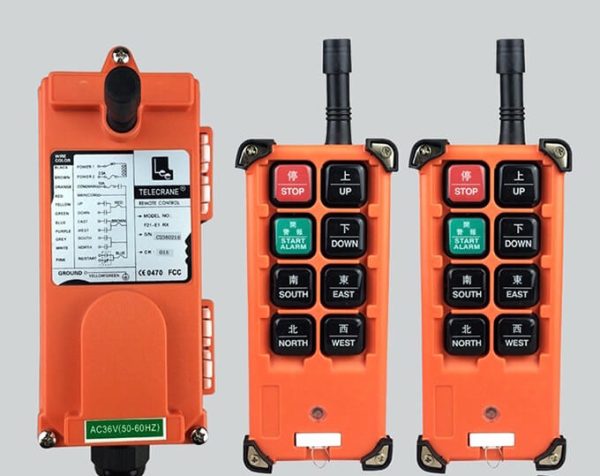
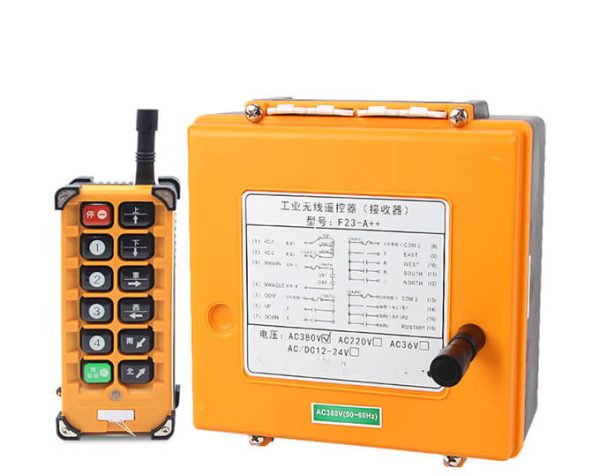
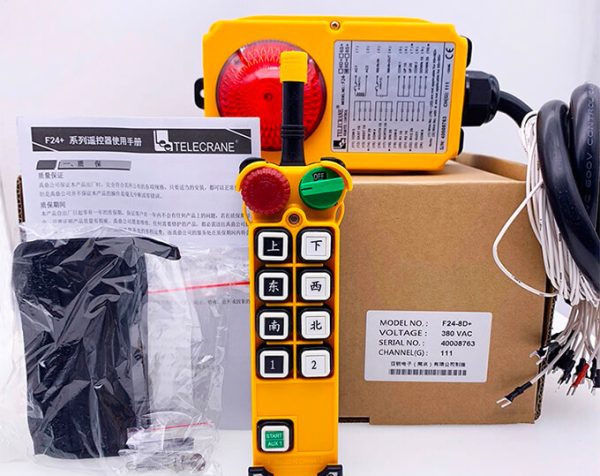
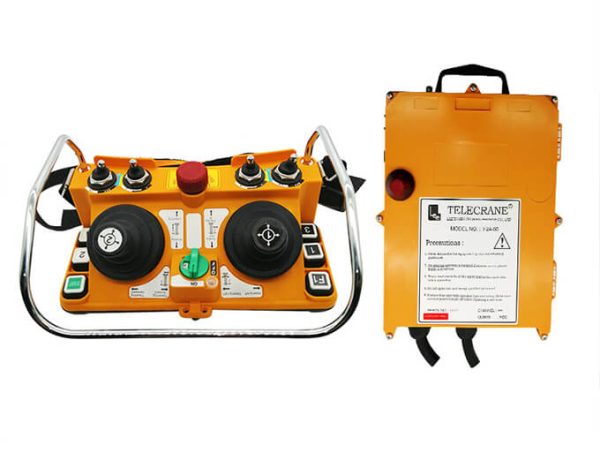
Standard handheld remotes are typically designed only for the basic functions of magnetizing and demagnetizing. They generally cannot be used to select magnetic penetration depth settings or specific lifting zones on the magnet face. These adjustments must be made at the main control panel.
9. Always Consult the Manufacturer's Settings Chart
Never estimate the correct settings. Always refer to the manufacturer-provided Penetration Depth vs. Plate Thickness Chart to select the appropriate magnetic strength for your specific load. Using an incorrect setting can lead to dangerous under-lifting or unnecessary energy consumption.
Conclusion: Safety Through Procedure
For site managers and operators, integrating these nine rules into a mandatory pre-operation checklist is paramount. The core value of EPM lifters is realized only when their immense power is governed by clear, sequential procedures and a disciplined understanding of the equipment's feedback systems (indicator lights, settings). Consistent training and adherence to this framework transform this advanced tool into a cornerstone of both worksite efficiency and unwavering safety.





-600x476.jpg)