

The Engineering Behind Crane Hooks: Materials, Manufacturing, and Performance

By weikexiwen  ·  
11
 
13
,
2025
Share this:
Introduction to Crane Hook Engineering

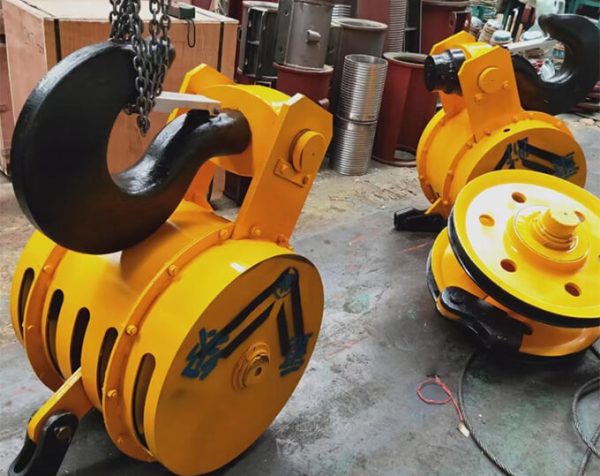
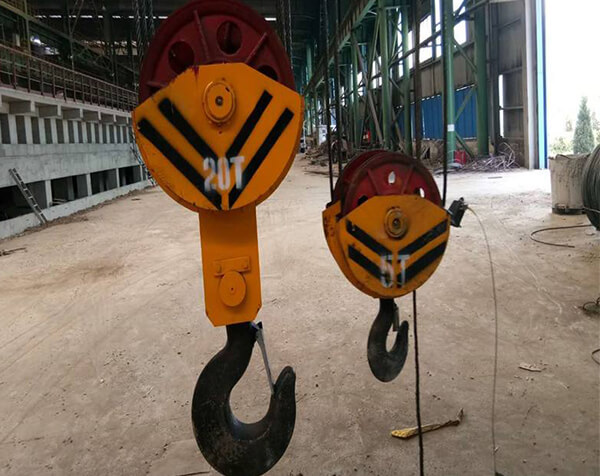
Crane hooks represent critical lifting components where engineering excellence meets practical application. These essential elements undergo meticulous design and manufacturing processes to ensure reliability under extreme loading conditions. Understanding their construction provides valuable insights into industrial safety and mechanical engineering principles.

Material Selection for Crane Hooks

Standard Composition

  • Wrought Iron: Traditional material offering good ductility
  • Carbon Steel: Common choice for general lifting applications
  • Low-Alloy Steel: Preferred for heavy-duty applications requiring superior strength

Material Science Considerations
While material choice is fundamental, it's merely the starting point in creating high-performance crane hooks. The specific steel grade must be carefully matched to operational requirements, considering factors such as:

  • Yield strength specifications
  • Impact resistance requirements
  • Environmental operating conditions
  • Fatigue life expectations
The Manufacturing Process: Forging Excellence

Why Forging Matters
Forging stands as the superior metalworking process for crane hook manufacturing, delivering unmatched structural integrity through controlled deformation. This process fundamentally enhances the material's mechanical properties in ways that other methods cannot match.

Forging Advantages

  • Defect Elimination: Removes gas pockets, voids, and internal imperfections
  • Grain Structure Optimization: Aligns the metal's grain flow with the hook's contour
  • Enhanced Mechanical Properties: Significantly improves overall strength and reliability
Heat Treatment: The Performance Differentiator

Thermal Processing Stages

  • Normalizing: Refines grain structure after forging
  • Hardening: Develops maximum strength characteristics
  • Tempering: Restores toughness and ductility

Quality Assurance Benefits
Proper heat treatment ensures:

  • Consistent material properties throughout the component
  • Optimal balance between strength and flexibility
  • Enhanced resistance to shock loading
Performance Characteristics of Properly Manufactured Hooks

Key Performance Metrics

  • Load Bearing Capacity: Directly influenced by manufacturing quality
  • Fatigue Resistance: Critical for long-term cyclic loading applications
  • Structural Toughness: Ability to withstand impact and overload conditions
  • Service Life Expectancy: Properly manufactured hooks significantly outlast alternatives
Industry Standards and Safety Compliance

Modern crane hook manufacturing adheres to rigorous international standards including:

  • ISO 7595: Forged steel lifting hooks
  • FEM 9.511: Safety requirements
  • ASME B30.10: Hook design and inspection
Maintenance and Inspection Considerations

Regular assessment should focus on:

  • Surface crack detection
  • Hook throat deformation monitoring
  • Wear pattern analysis
  • Load testing verification

This comprehensive approach to crane hook manufacturing—combining appropriate material selection, precision forging, and controlled heat treatment—creates components capable of handling the most demanding lifting applications while ensuring operational safety and reliability. The synergy between these manufacturing elements demonstrates how industrial components achieve performance characteristics far beyond their basic material properties.

Related Industries

Send us a message