Home / News / Scrap Yard Crane: How to Choose the Right Crane, Grab Bucket and Lifting Magnet
Scrap Yard Crane: How to Choose the Right Crane, Grab Bucket and Lifting Magnet
By weikexiwen ·
09
25
,
2026
Share this:
Introduction
Scrap yards and steel recycling facilities handle large quantities of heavy, irregular, and often mixed metal materials every day. Efficient loading, unloading, sorting, and transportation of scrap metal require lifting equipment that can handle different material shapes, weights, and working conditions.
A scrap yard crane is typically equipped with a specialized lifting attachment such as a grab bucket or lifting electromagnet. The choice of crane and attachment depends on the type of scrap, material density, required lifting capacity, operating environment, and handling process.
So, how do you choose the right crane for a scrap yard?
This guide explains the main types of scrap handling cranes, compares grab buckets and lifting electromagnets, and provides practical factors to consider when selecting a scrap yard crane system.
1. What Is a Scrap Yard Crane?
A scrap yard crane is a heavy-duty lifting system designed to load, unload, sort, and transfer scrap metal and other bulk materials.
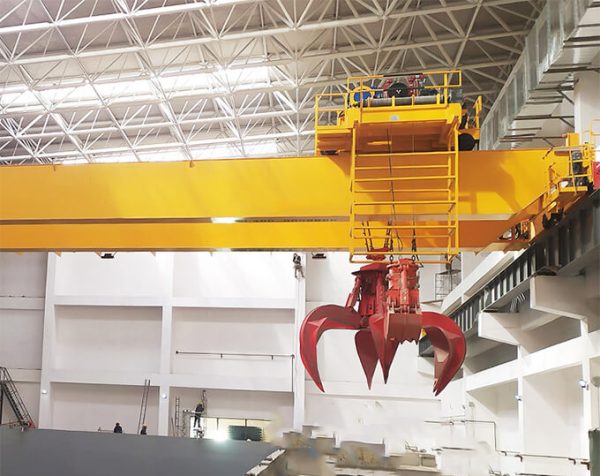
The most common configuration is an overhead crane or gantry crane equipped with a specialized attachment.
A typical scrap handling system may include:
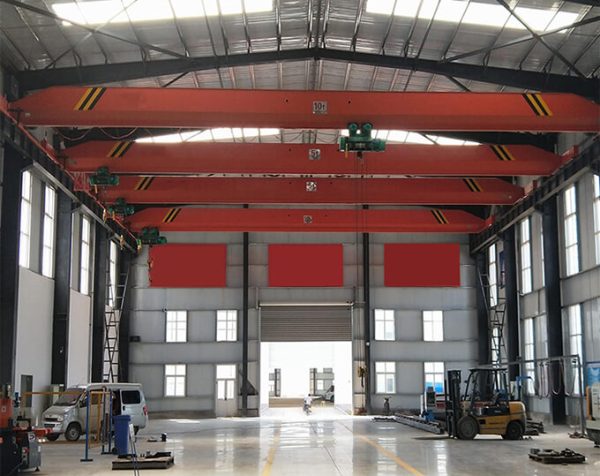
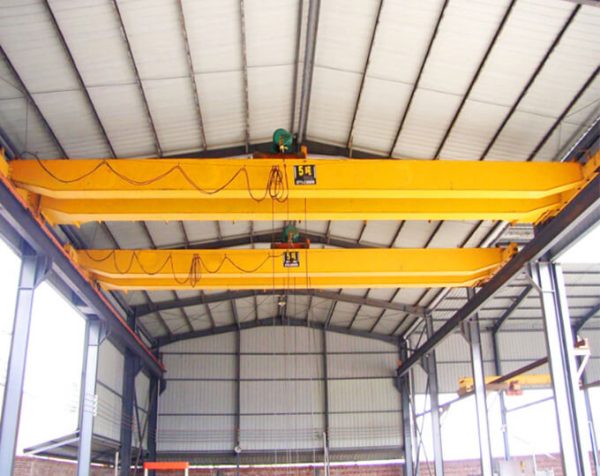
Overhead crane
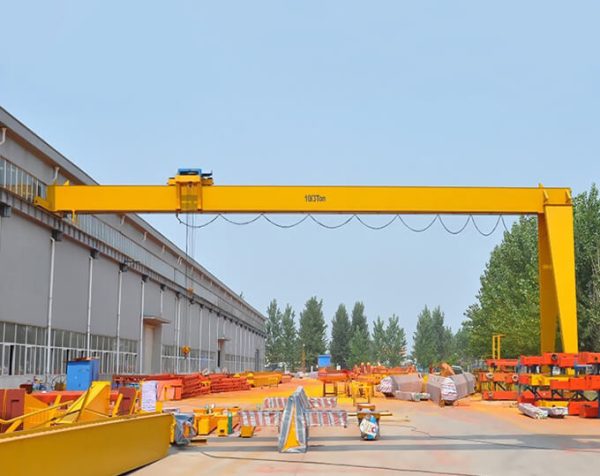
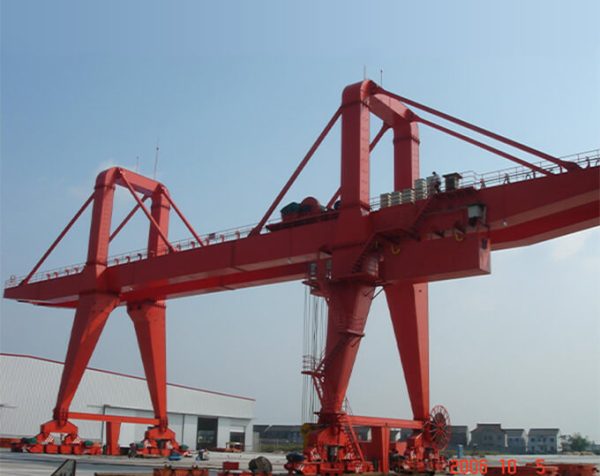
Gantry crane
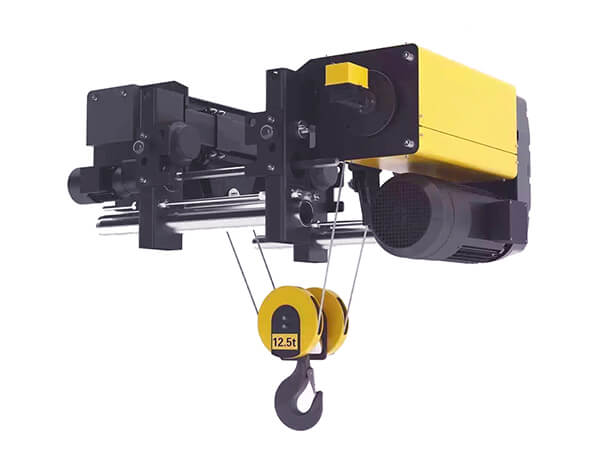
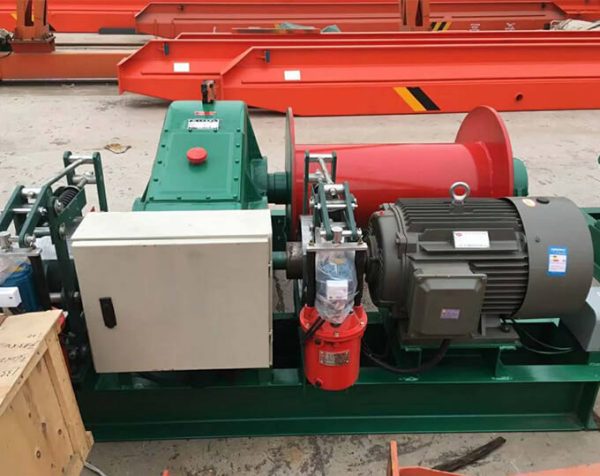
Electric hoist or winch
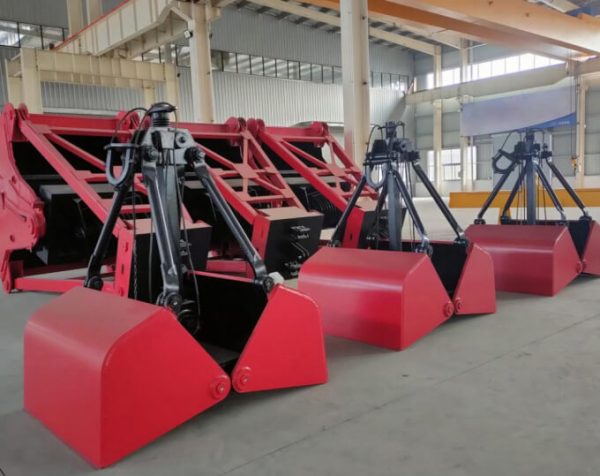
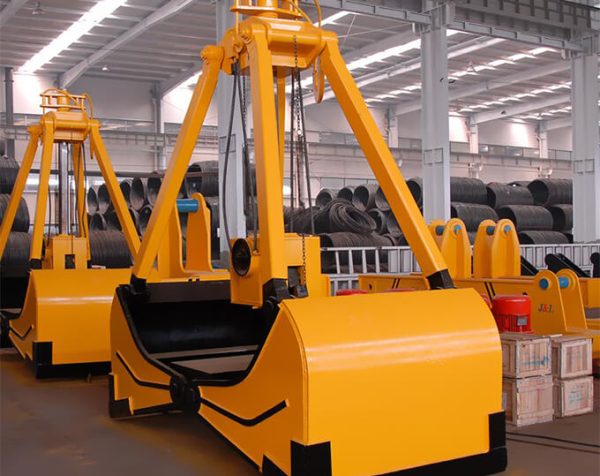
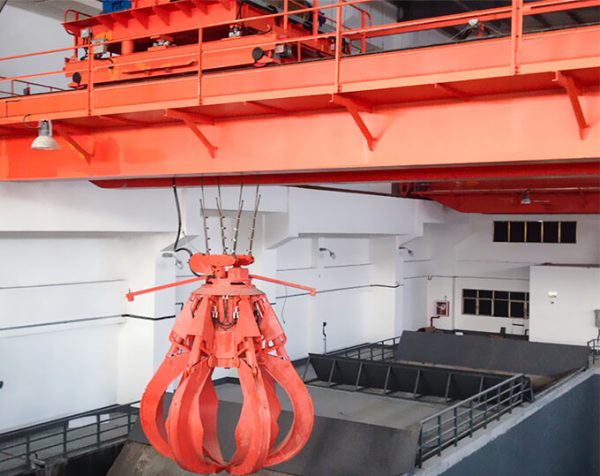
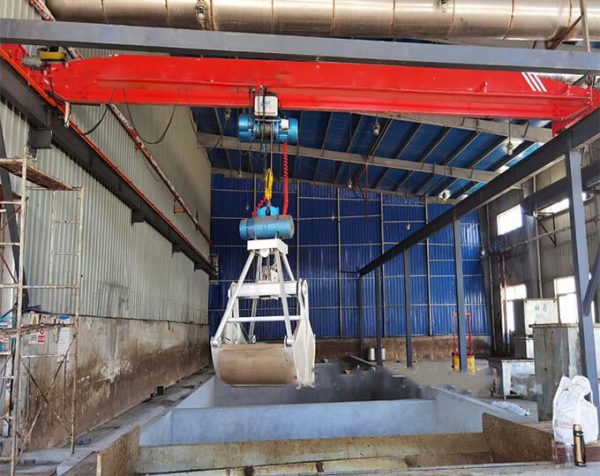
Four-rope grab bucket
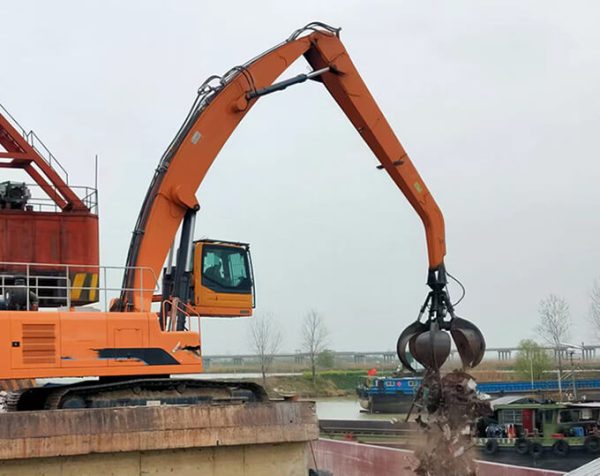
Hydraulic grab
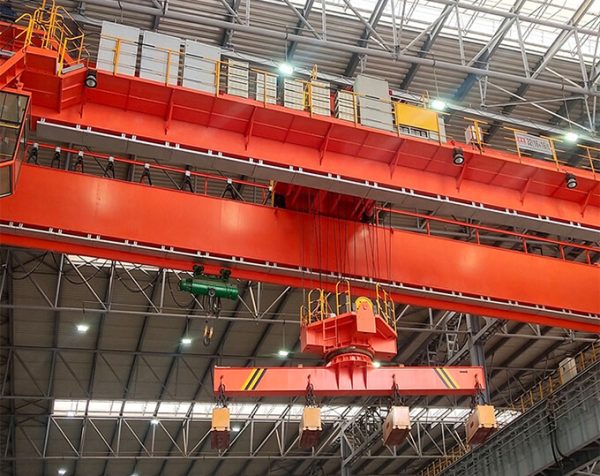
Lifting electromagnet
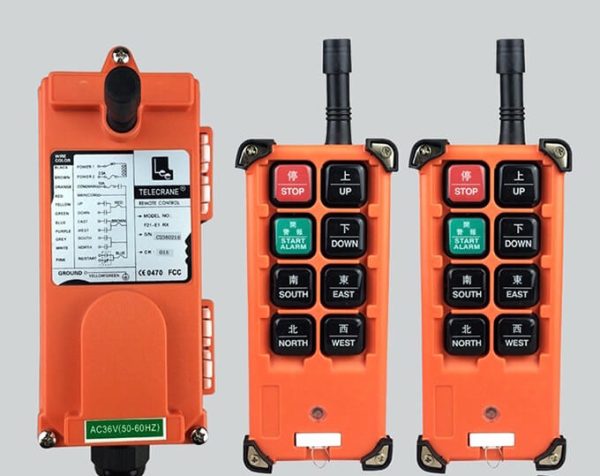
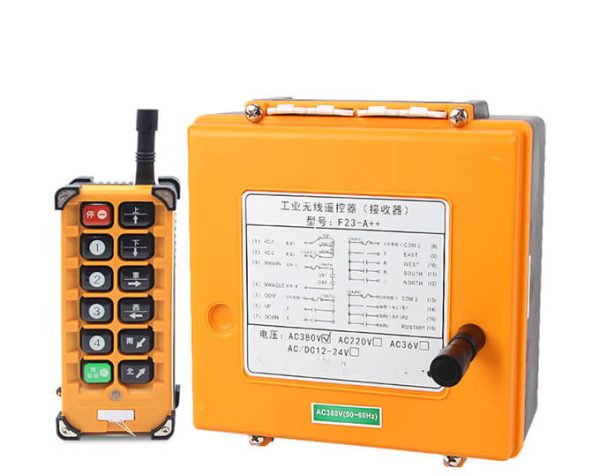
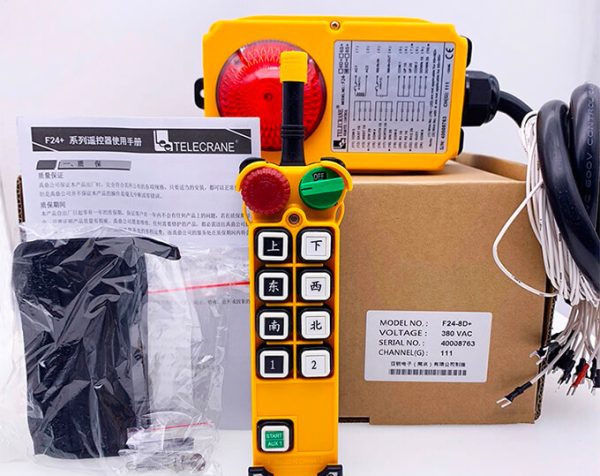
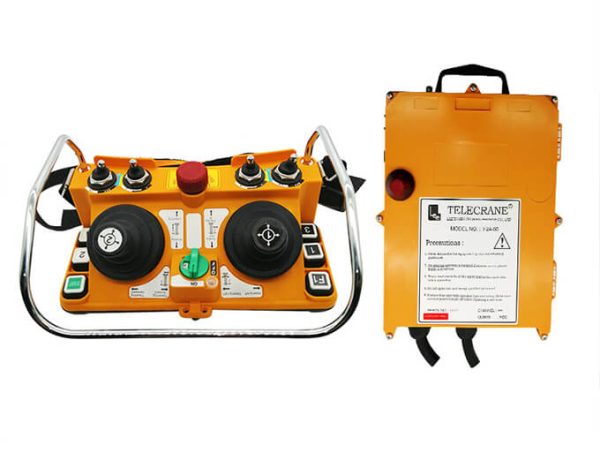
Radio remote control
Electrical control system
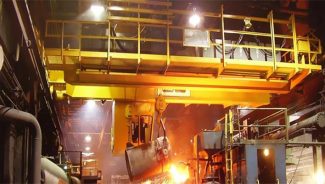
Depending on the layout of the facility, the crane can be installed inside a recycling workshop, above a scrap storage area, or in an outdoor scrap yard.
2. What Materials Can a Scrap Yard Crane Handle?
Scrap yards contain many different types of materials. The appropriate lifting equipment should therefore be selected according to the physical characteristics of the scrap.
Typical materials include:
Ferrous scrap
Steel scrap
Cast iron
Metal sheets
Steel bars
Scrap pipes
Machinery scrap
Shredded metal
Metal chips
Mixed industrial scrap
The size, density, shape, and surface condition of the material can all affect the selection of the lifting attachment.
3. Grab Bucket for Scrap Handling
A grab bucket is one of the most widely used attachments for handling loose and irregular bulk materials.
For scrap yards, a four-rope grab bucket is commonly used with a double-girder overhead crane or a suitable gantry crane.
How Does a Grab Bucket Work?
The crane lowers the grab bucket toward the scrap pile. The bucket jaws then open around the material.
When the closing mechanism is activated, the jaws close and capture the scrap.
The crane subsequently lifts the loaded grab and moves the material to the required location.
The general process is:
Position the grab above the scrap pile.
Lower the grab into the material.
Close the bucket jaws.
Lift the loaded grab.
Move the crane to the destination.
Open the grab and release the material.
This makes grab buckets particularly suitable for loose, irregular, and mixed scrap.
4. Advantages of Grab Buckets
Grab buckets offer several advantages for scrap handling:
Suitable for irregular materials
Can handle loose bulk scrap
No magnetic properties required
Suitable for mixed materials
Can handle large pieces of scrap
Available in different capacities and configurations
The bucket capacity should be selected according to the material density and crane lifting capacity.
A large bucket does not necessarily mean higher productivity. If the material is very dense, the bucket may reach the crane's rated load before it is completely filled.
Therefore, bucket capacity and material bulk density should be considered together.
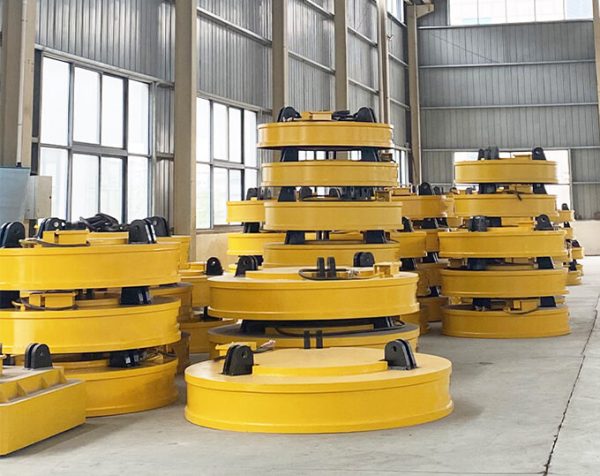
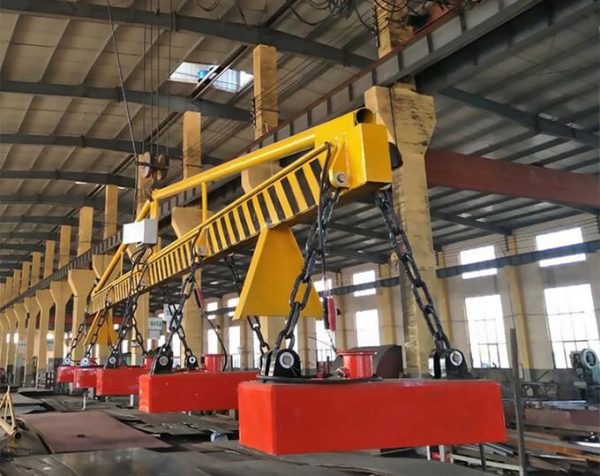
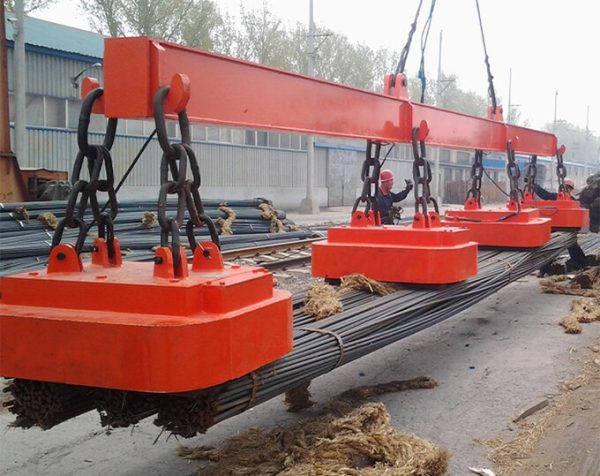
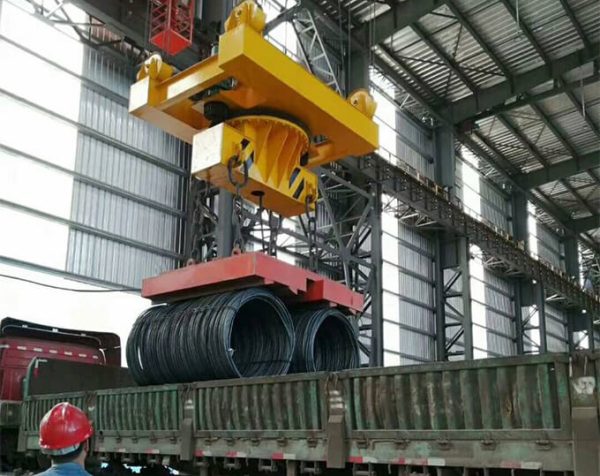
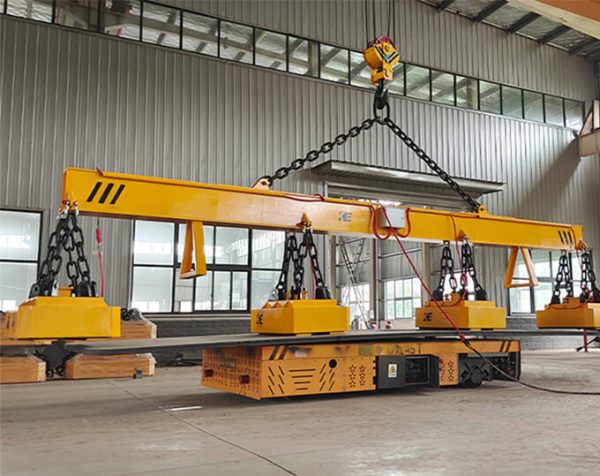
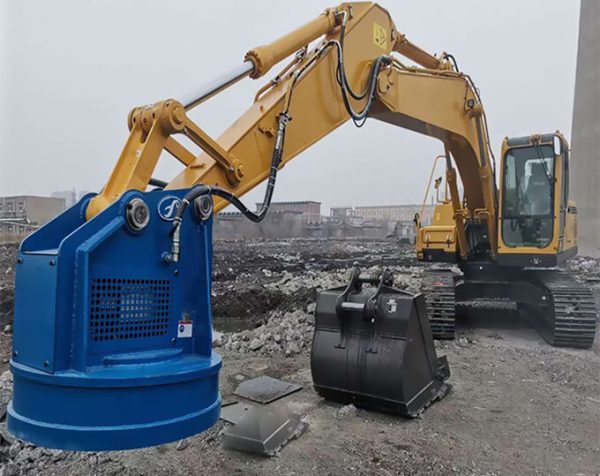
5. Lifting Electromagnets for Scrap Metal
Lifting electromagnets are another common solution for scrap metal handling.
Unlike a grab bucket, an electromagnet uses magnetic force to pick up ferromagnetic materials.
This allows operators to collect multiple pieces of magnetic scrap without manually attaching individual lifting tools.
How Does a Scrap Lifting Electromagnet Work?
The electromagnet is suspended from the crane's lifting mechanism.
When electrical power is supplied, the magnet generates a magnetic field and attracts suitable ferromagnetic materials.
The crane then lifts and transports the collected scrap.
When the magnet is switched off according to the operating procedure, the magnetic force is released and the scrap can be discharged.
6. Advantages of Lifting Electromagnets
Electromagnets can be particularly useful when a scrap yard handles large quantities of ferrous metal.
Their advantages include:
Fast pickup and release
No mechanical jaws
Efficient handling of small and fragmented steel scrap
Suitable for repeated loading and unloading
Easy integration with overhead cranes
Suitable for sorting and transferring magnetic metal materials
They are commonly considered for:
Scrap steel
Steel plate offcuts
Steel bars
Metal fragments
Cast iron scrap
However, an electromagnet is not suitable for every type of scrap.
Non-ferrous metals such as aluminum and copper cannot be lifted using a conventional electromagnetic lifting system.
7. Grab Bucket vs Lifting Electromagnet
Both systems are widely used in scrap handling, but their operating principles are different.
Factor
Grab Bucket
Lifting Electromagnet
Lifting Principle
Mechanical gripping
Magnetic attraction
Ferromagnetic Material Required
No
Yes
Mixed Scrap
Suitable
Depends on material composition
Small Scrap Pieces
Suitable
Highly suitable for magnetic pieces
Irregular Large Scrap
Suitable
Depends on shape and air gap
Power Requirement
Depends on crane/grab type
Requires electrical power
Pickup Method
Mechanical closing
Magnetic attraction
Typical Application
Loose and mixed scrap
Ferrous scrap and steel products
The choice should be based on the actual material rather than simply assuming that one technology is universally better.
8. Air Gap and Scrap Shape: Why They Matter
One important factor when selecting an electromagnet is the distance between the magnet and the material.
This distance is known as the air gap.
Irregular scrap may create larger air gaps because pieces do not form a flat contact surface with the magnet.
As the effective air gap increases, the available magnetic lifting force can decrease.
For this reason, an electromagnet may be highly effective for certain steel scrap but less suitable for large, irregular pieces with poor magnetic contact.
Grab buckets do not rely on magnetic force and can therefore be more suitable for some irregular and bulky scrap materials.
9. How to Choose the Right Scrap Yard Crane
Selecting the lifting attachment is only part of the crane design.
The complete crane system should be selected according to the working environment.
1. Determine the Maximum Load
The first parameter is the maximum load that needs to be lifted.
The total lifted load may include:
Material + Grab Bucket
Material + Electromagnet + Other Lifting Components
The crane's rated lifting capacity must be sufficient for the complete working load.
2. Determine the Scrap Type
Provide detailed information about the material, including:
Material type
Maximum piece size
Bulk density
Average load weight
Magnetic properties
Material temperature
This information helps determine whether a grab bucket or electromagnet is more appropriate.
3. Consider the Working Environment
Scrap yards can be demanding environments.
Important conditions include:
Dust
Outdoor exposure
Rain and moisture
High working frequency
Uneven material piles
Potential impact from scrap materials
The crane and electrical components should be selected according to the actual environmental conditions.
4. Determine the Required Span and Lifting Height
For an overhead scrap crane, the crane span determines the working width.
The lifting height determines how high the grab or electromagnet can be raised.
These parameters should be based on:
Scrap pile dimensions
Storage area
Truck loading height
Feeding equipment
Sorting equipment
5. Consider Working Class
Scrap handling cranes often operate frequently throughout the day.
Therefore, the crane working class and mechanical components should be selected according to the actual duty cycle.
High-frequency applications may require a heavier-duty crane configuration than occasional scrap handling.
10. Overhead Crane or Gantry Crane for a Scrap Yard?
Both overhead cranes and gantry cranes can be used for scrap handling.
Overhead Crane
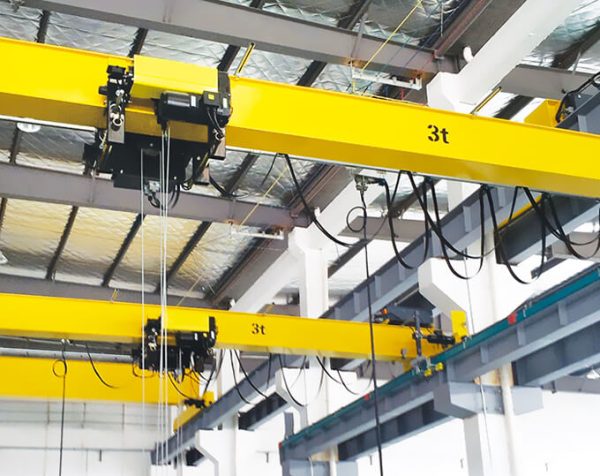
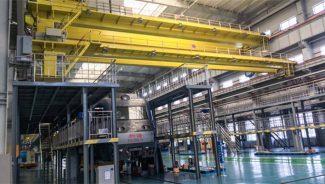
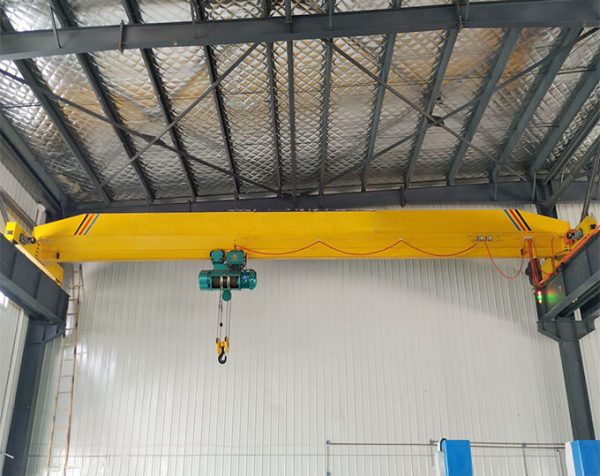
An overhead crane is suitable when the scrap handling area is inside a workshop or building with an appropriate supporting structure.
Advantages include:
Efficient use of floor space
Large working area
High lifting capacity
Suitable for continuous indoor operations
A double-girder overhead crane is often considered for heavy-duty scrap handling applications.
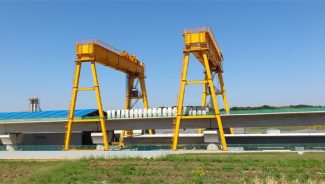
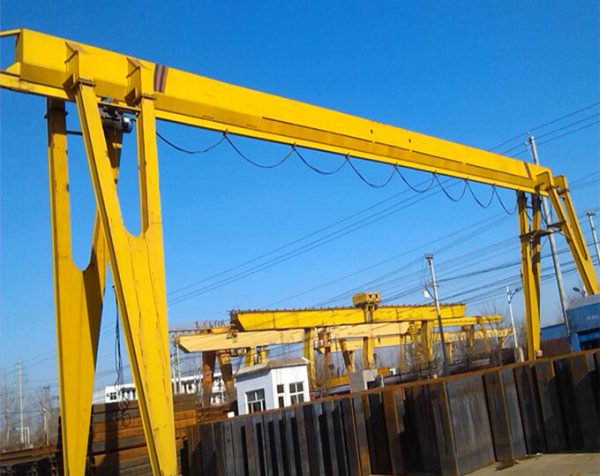
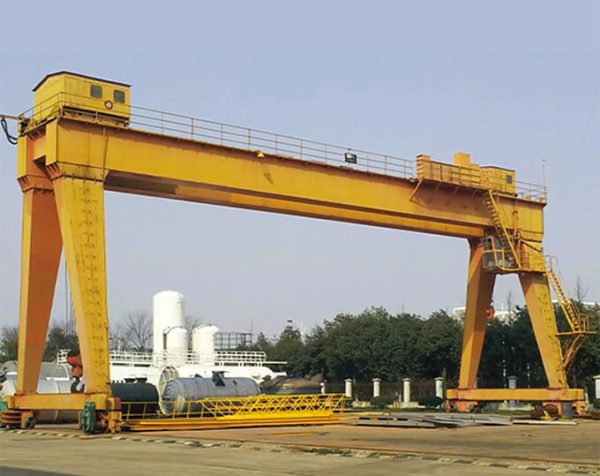
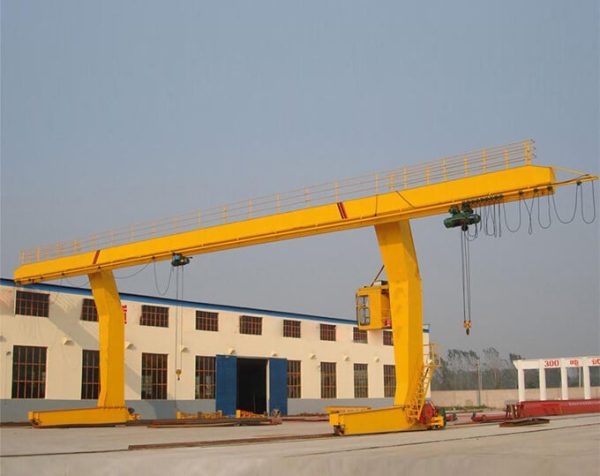
Gantry Crane
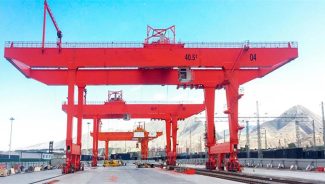
A gantry crane can be suitable for outdoor scrap yards or areas where building-supported crane runways are not available.
The crane is supported by its own legs and travels along the ground.
This makes it suitable for:
Outdoor scrap yards
Open storage areas
Loading areas
Recycling facilities
11. Typical Scrap Yard Crane Configurations
Different applications may require different configurations.
A crane with an appropriate grab or electromagnet can connect several of these operations into one material handling system.
For larger facilities, additional technologies may include:
Radio remote control
Load monitoring
Positioning systems
Anti-sway control
Automated crane operation
Production management integration
The appropriate level of automation depends on the size of the facility and the required production capacity.
Conclusion
A scrap yard crane is more than a lifting machine. It is an important part of the material handling system used in recycling plants, steel mills, metal processing facilities, and industrial scrap yards.
Grab buckets are suitable for loose, irregular, and mixed materials because they rely on mechanical gripping. Lifting electromagnets can provide fast handling of ferromagnetic scrap and steel products, but their performance depends on material properties, contact conditions, and the air gap.
Overhead cranes are commonly used for indoor scrap handling, while gantry cranes can provide a practical solution for outdoor yards.
The right solution depends on:
Scrap type
Maximum load
Material density
Piece size
Magnetic properties
Working frequency
Lifting height
Crane span
Indoor or outdoor environment
Required automation level
By matching the crane, lifting attachment, and operating conditions, a scrap handling system can be designed for safe and efficient material movement.
Frequently Asked Questions
What type of crane is used in a scrap yard?
Overhead cranes and gantry cranes are commonly used in scrap yards. The choice depends on whether the working area has a supporting building structure and whether the operation is indoors or outdoors.
What is the best attachment for a scrap handling crane?
The appropriate attachment depends on the material. Grab buckets are suitable for loose and irregular scrap, while lifting electromagnets are suitable for ferromagnetic steel and iron materials.
Can an electromagnet lift all types of scrap metal?
No. Conventional lifting electromagnets are designed for ferromagnetic materials such as iron and steel. Non-ferrous metals such as aluminum and copper generally cannot be lifted using a standard electromagnet.
Is a grab bucket better than an electromagnet for scrap?
The two technologies have different applications. A grab bucket can handle many types of loose and irregular materials, while an electromagnet can provide fast pickup of suitable ferromagnetic scrap. The choice should be based on the actual material and working conditions.
What information is needed to design a scrap yard crane?
Important information includes maximum lifting capacity, scrap type, material density, maximum piece size, crane span, lifting height, working frequency, indoor or outdoor operation, and the preferred lifting attachment.
Can a scrap handling crane be automated?
Yes. Modern scrap handling cranes can be equipped with technologies such as remote control, load monitoring, positioning systems, anti-sway control, and automated operating functions. The appropriate automation level depends on the application and facility requirements.






-600x476.jpg)