Home / News / Industry News / Steel Coil Handling Equipment: How to Choose Between C-Hooks, Clamps, Electromagnets and Cranes
Steel Coil Handling Equipment: How to Choose Between C-Hooks, Clamps, Electromagnets and Cranes
By weikexiwen ·
09
18
,
2026
Share this:
Introduction
Steel coils are heavy, compact, and difficult to handle manually. In steel mills, metal processing plants, warehouses, and manufacturing facilities, the right steel coil handling equipment is essential for safe lifting, transportation, loading, unloading, and storage.
Common steel coil lifting solutions include C-hooks, steel coil lifting clamps, lifting electromagnets, overhead cranes, and heavy-duty transfer carts. Each solution has different operating principles, load capacities, and application requirements.
So, how do you choose the right equipment for handling steel coils?
The answer depends on factors such as coil weight, coil diameter, coil width, lifting direction, transportation distance, operating environment, and the required handling frequency.
This guide explains the main steel coil handling equipment options and how to select the appropriate solution for different industrial applications.
1. What Is Steel Coil Handling Equipment?
Steel coil handling equipment refers to lifting and transportation systems designed specifically for moving cylindrical steel coils and other coiled metal products.
A complete steel coil handling system may include:
Overhead cranes
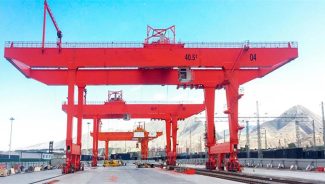
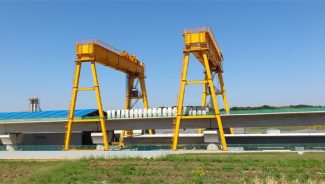
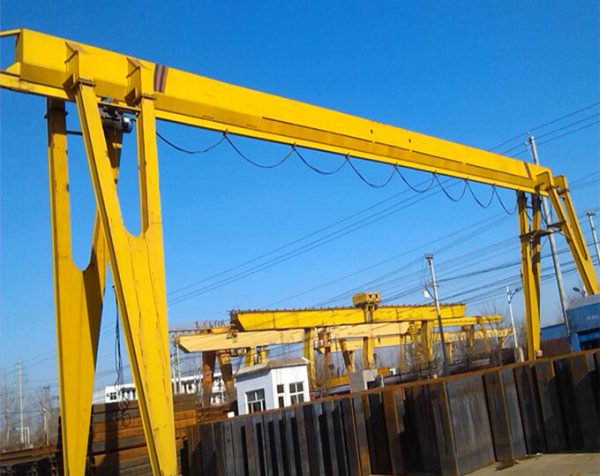
Gantry cranes
C-hooks
Steel coil lifting clamps
Lifting electromagnets
Heavy-duty transfer carts
Slings and other lifting accessories
In many factories, several types of equipment are used together. For example, an overhead crane can provide the lifting and horizontal movement, while a C-hook or coil clamp performs the actual connection with the steel coil.
The correct combination can improve handling efficiency while reducing the risk of load damage and unsafe lifting operations.
2. C-Hook for Steel Coil Handling
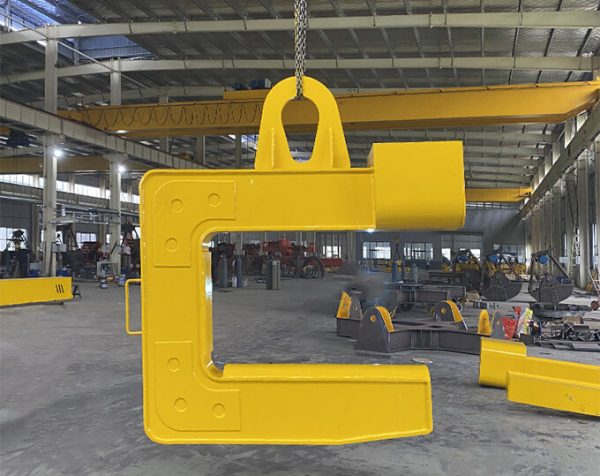
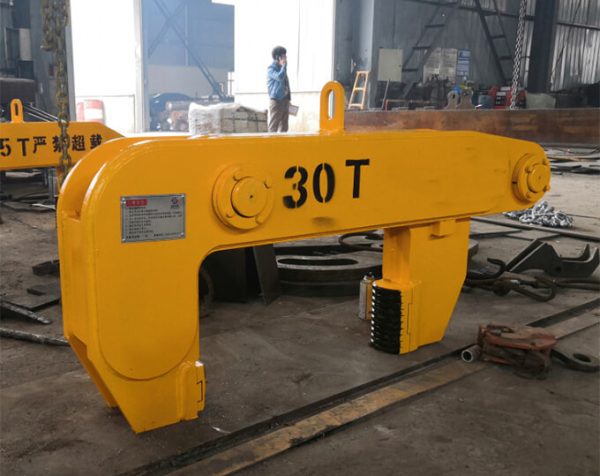
A C-hook is one of the most common tools for lifting steel coils.
Its C-shaped structure allows the horizontal arm to enter the inner diameter of the coil. Once the hook is positioned correctly, the crane lifts the coil from the inside.
How Does a C-Hook Work?
The basic operating process is:
The overhead crane moves the C-hook toward the steel coil.
The horizontal arm enters the coil's inner diameter.
The hook is positioned under the coil.
The crane lifts the C-hook and steel coil together.
The coil is transported to the required location.
C-hooks are particularly suitable when steel coils have a consistent inner diameter and need to be moved frequently.
Advantages of C-Hooks
Simple mechanical structure
No electrical power required
Easy to operate
Suitable for frequent coil handling
Relatively low maintenance requirements
Can be designed for different coil weights and dimensions
When Should You Choose a C-Hook?
A C-hook is a practical choice when the steel coil has a suitable inner diameter and the lifting process is relatively standardized.
It is commonly used in:
Steel mills
Steel service centers
Coil warehouses
Metal processing plants
Manufacturing facilities
3. Steel Coil Lifting Clamps
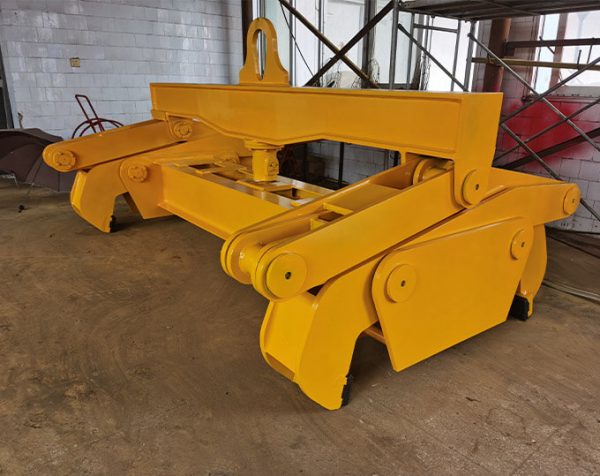
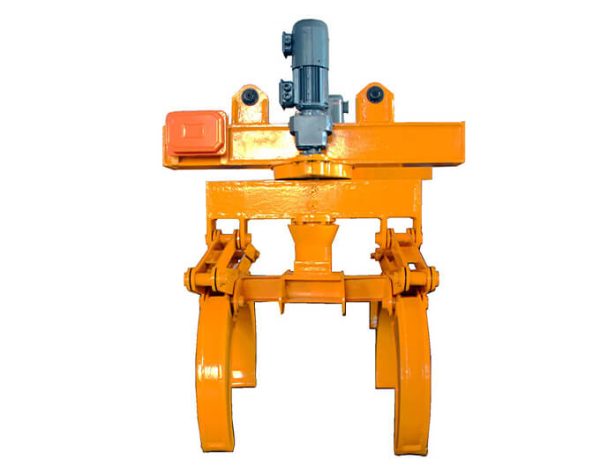
Steel coil lifting clamps use mechanical clamping mechanisms to grip the coil securely during lifting.
Compared with a C-hook, a lifting clamp does not rely on inserting a long horizontal arm into the coil.
Depending on the design, clamps can be used for different coil orientations and handling conditions.
Advantages of Steel Coil Lifting Clamps
Secure mechanical gripping
Suitable for specific coil handling configurations
Can be designed for different load capacities
Useful when the coil geometry or lifting direction makes a C-hook less convenient
The exact application depends on the clamp design, coil dimensions, and manufacturer's rated capacity.
Before selecting a lifting clamp, the buyer should provide information such as:
Maximum coil weight
Coil diameter
Coil width
Coil orientation
Coil temperature
Required lifting method
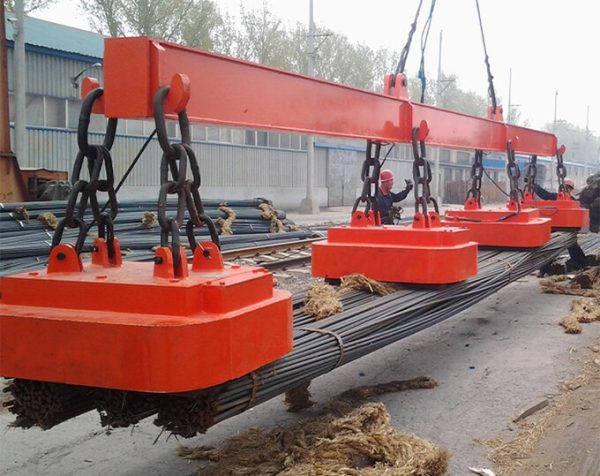
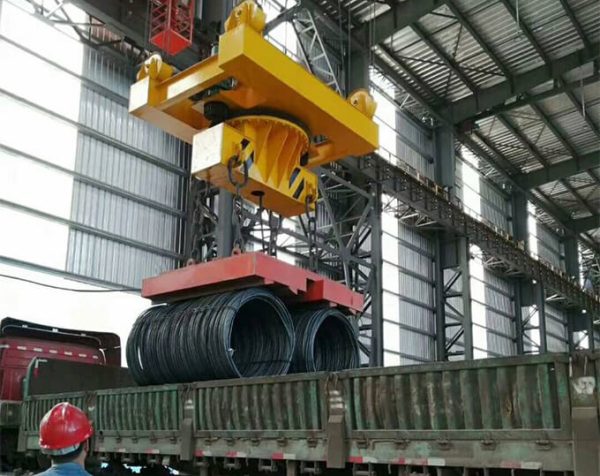
4. Lifting Electromagnets for Steel Coils
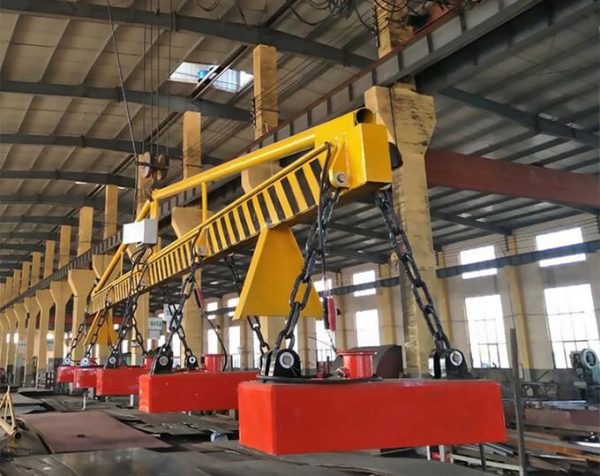
Lifting electromagnets use magnetic force to lift ferromagnetic steel products.
For suitable steel coil applications, electromagnetic lifting can reduce the need for mechanical hooking and improve handling efficiency.
However, magnetic lifting performance depends strongly on the material and geometry of the load.
Important Factors for Electromagnetic Coil Handling
Before choosing a lifting electromagnet, consider:
Steel type
Coil dimensions
Coil weight
Coil temperature
Coil surface condition
Required lifting capacity
Required safety factor
The air gap between the magnet and the steel can significantly affect magnetic force. Coil geometry can also influence how effectively magnetic force is transferred to the load.
Therefore, an electromagnet should be selected according to the actual steel coil rather than simply choosing a magnet based on rated lifting capacity.
5. Overhead Cranes for Steel Coil Handling
The lifting tool alone is only part of a steel coil handling system.
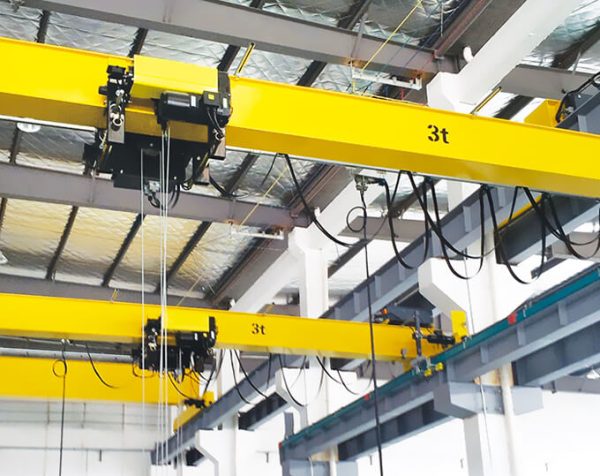
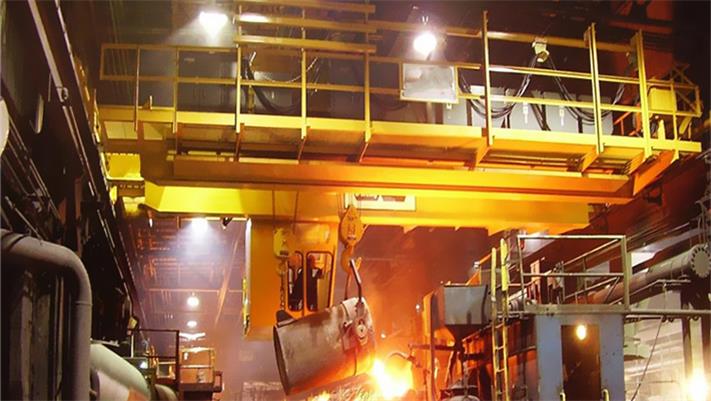
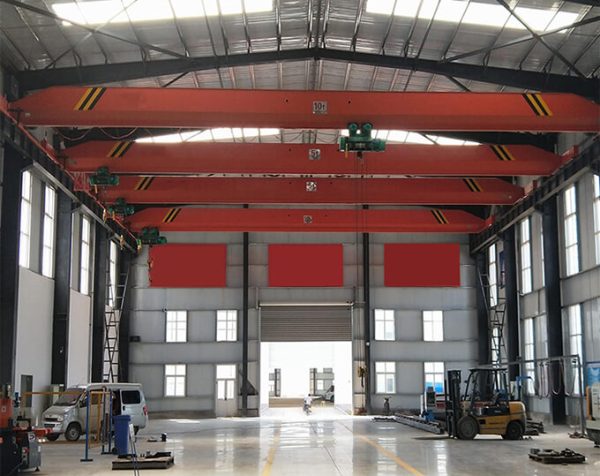
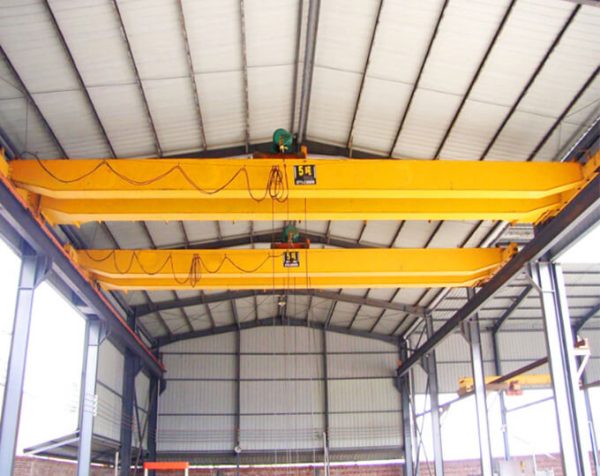
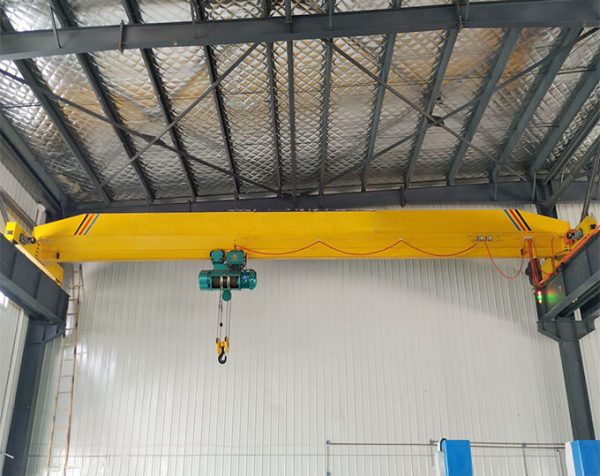
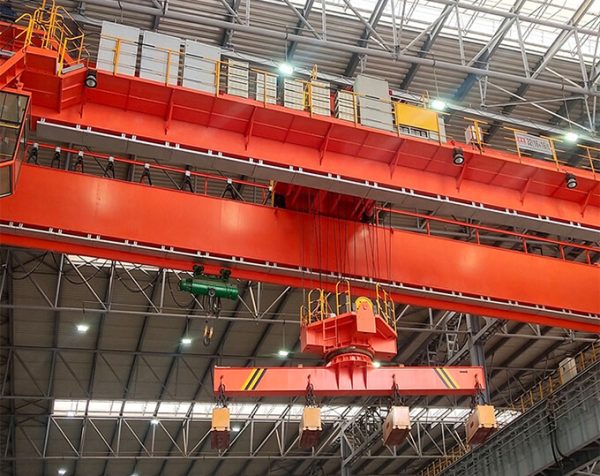
An overhead crane is commonly used as the main lifting and transportation equipment.
A typical steel coil handling system may consist of:
Overhead Crane + C-Hook
Overhead Crane + Coil Lifting Clamp
Overhead Crane + Lifting Electromagnet
The overhead crane provides:
Vertical lifting
Horizontal movement
Positioning
Loading and unloading
For factories handling steel coils on a regular basis, overhead cranes can provide an efficient solution for moving coils between production lines, storage areas, and loading zones.
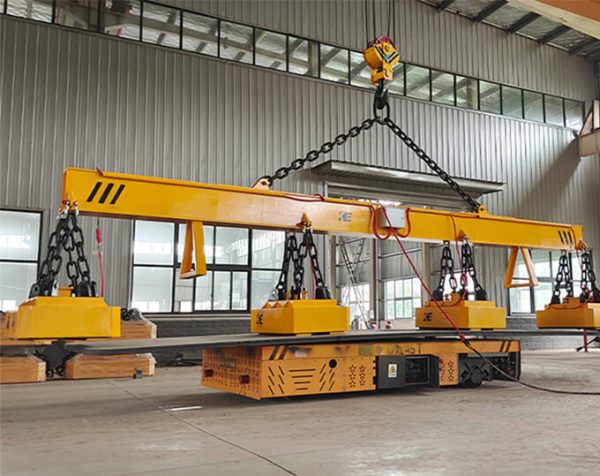
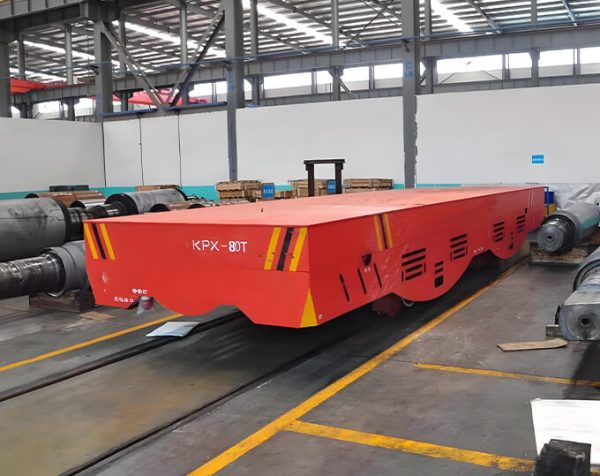
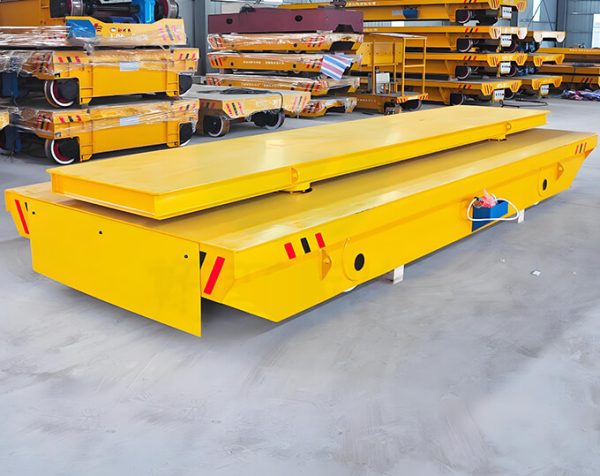
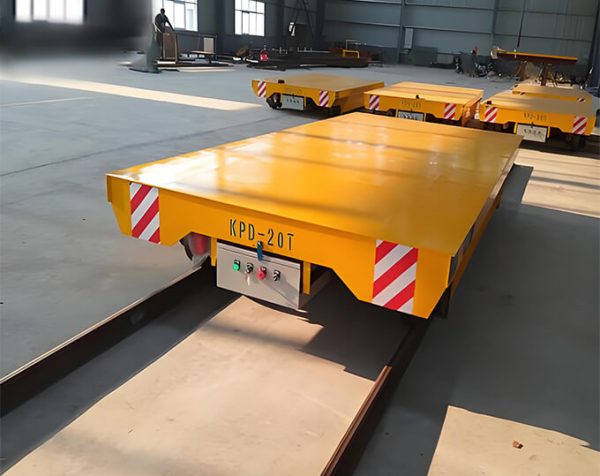
6. Heavy-Duty Transfer Carts for Steel Coil Transportation
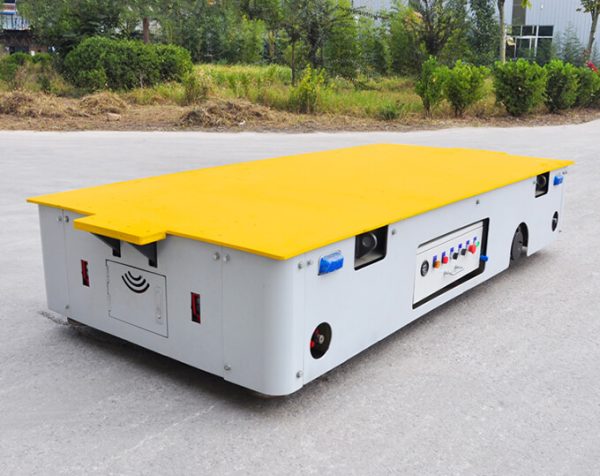
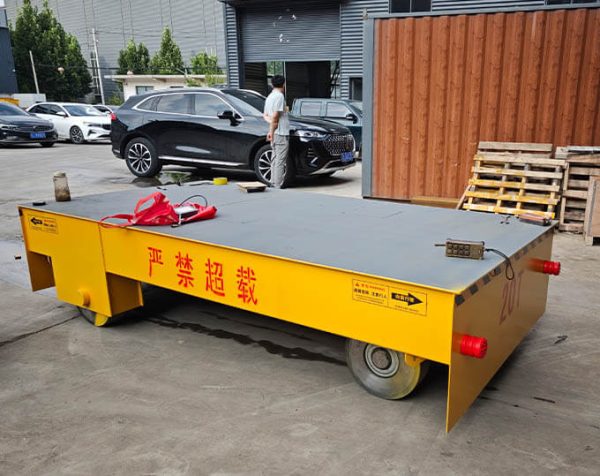
A transfer cart is different from a crane because its primary function is horizontal transportation.
Heavy-duty transfer carts can transport steel coils between:
Production lines
Storage areas
Workshops
Processing stations
Loading and unloading areas
For example, a factory may use an overhead crane to load a steel coil onto a transfer cart. The transfer cart then transports the coil over a longer distance to another workshop.
This combination can be useful when the production layout requires frequent long-distance ground transportation.
7. C-Hook vs Coil Clamp vs Electromagnet
Different lifting tools are suitable for different working conditions.
Equipment
Main Lifting Method
Typical Application
Power Required
Key Consideration
C-Hook
Mechanical support from coil ID
Standard steel coils
No
Coil inner diameter
Coil Lifting Clamp
Mechanical gripping
Specific coil configurations
Depends on design
Coil size and orientation
Lifting Electromagnet
Magnetic force
Ferromagnetic steel products
Yes
Material, geometry and temperature
Overhead Crane
Lifting and horizontal movement
Factory-wide coil handling
Yes
Capacity, span and lifting height
Transfer Cart
Ground transportation
Long-distance horizontal transport
Depends on model
Floor condition and route
There is no universal lifting tool for every steel coil application.
The correct choice should be based on the actual coil specifications and operating conditions.
8. How to Choose the Right Steel Coil Handling Equipment
1. Check the Maximum Coil Weight
The maximum load is one of the first parameters to determine.
For example, if the factory handles coils ranging from 5 tons to 30 tons, the lifting equipment must be selected according to the maximum required working load and the applicable safety requirements.
Do not select equipment based only on the average coil weight.
2. Check the Coil Dimensions
Important dimensions include:
Outside diameter
Inside diameter
Coil width
Maximum and minimum coil dimensions
These parameters are especially important when selecting C-hooks and mechanical clamps.
3. Determine the Coil Orientation
Steel coils may be handled in different orientations, including:
Eye horizontal
Eye vertical
The lifting method and equipment configuration can be different depending on the coil orientation.
4. Consider the Coil Temperature
Hot steel coils require specially designed lifting equipment.
If the coil temperature is high, standard lifting equipment may not be suitable.
The buyer should provide the maximum operating temperature when requesting a quotation for specialized lifting equipment.
5. Consider the Handling Frequency
For high-frequency steel coil handling, the equipment should be selected for continuous industrial operation.
The crane working class, lifting mechanism, lifting tool, and control system should all be matched to the actual duty cycle.
6. Consider the Transportation Distance
If coils mainly need to be lifted and positioned within one production area, an overhead crane with an appropriate lifting attachment may be sufficient.
If coils need to travel long distances between workshops, a heavy-duty transfer cart can be considered as part of the material handling system.
9. Which Steel Coil Handling Solution Is Right for Your Factory?
The following examples can help with preliminary selection.
Scenario 1: Standard Steel Coil Warehouse
If the factory frequently handles standard-temperature steel coils with consistent dimensions, a common solution is:
Overhead Crane + C-Hook
This configuration provides a relatively simple and efficient method for loading, unloading, and stacking coils.
Scenario 2: Different Coil Dimensions
If coil sizes vary significantly, a suitable mechanical clamp or customized lifting device may provide greater flexibility.
The supplier should evaluate the minimum and maximum coil dimensions before confirming the design.
Scenario 3: High-Temperature Steel Coils
For hot steel products, specialized lifting equipment designed for high-temperature operation should be considered.
The customer should provide the actual coil temperature and handling conditions before equipment selection.
Scenario 4: Long-Distance Coil Transportation
If steel coils must be transported between different workshops or production areas, a combination of:
Overhead Crane + Transfer Cart
can be considered.
The crane handles lifting and loading, while the transfer cart performs horizontal transportation.
10. Safety Considerations for Steel Coil Lifting
Steel coils can weigh several tons or more, so safe lifting procedures are essential.
Before operation, operators should check:
Rated lifting capacity
Condition of the lifting tool
Coil dimensions and weight
Crane brakes and limit switches
Wire rope or chain condition
Lifting hook and connections
Working area
Personnel clearance
Lifting equipment should always be operated within its rated capacity and according to the applicable safety standards and manufacturer's instructions.
For electromagnetic lifting systems, additional attention should be paid to power supply, magnetic holding capacity, load condition, and the manufacturer's specified operating procedures.
11. Why an Integrated Handling System Can Be More Efficient
In many steel-processing facilities, a single piece of equipment cannot complete the entire material handling process.
For example:
Steel Coil → Overhead Crane → C-Hook → Transfer Cart → Storage Area
This type of integrated system separates lifting and transportation functions.
The crane provides vertical lifting and positioning, while the transfer cart handles long-distance ground transportation.
For larger automated facilities, additional systems such as remote control, positioning sensors, automated route control, and production management software can be integrated into the material handling system.
Conclusion
Choosing the right steel coil handling equipment depends on more than the rated lifting capacity.
C-hooks are suitable for many standard steel coil handling applications and offer a simple mechanical solution. Steel coil lifting clamps can be used for specific coil configurations where mechanical gripping is required. Lifting electromagnets can provide efficient handling of suitable ferromagnetic steel products, but their performance depends on material properties, coil geometry, temperature, and operating conditions.
Overhead cranes provide the main lifting and positioning capability, while heavy-duty transfer carts can be used for horizontal transportation over longer distances.
For a complete steel coil handling solution, the equipment should be selected according to the actual load, coil dimensions, orientation, temperature, handling frequency, transportation distance, and factory layout.
If you are planning a steel coil handling system, providing these parameters to the crane and lifting equipment supplier can help ensure that the proposed equipment matches your actual working conditions.
Frequently Asked Questions
What is the best equipment for lifting steel coils?
There is no single solution for every steel coil. C-hooks, lifting clamps, and electromagnets can all be used under appropriate conditions. The choice depends on coil weight, dimensions, orientation, temperature, and handling requirements.
Can an overhead crane lift steel coils?
Yes. Overhead cranes are widely used for steel coil handling. The crane can be equipped with a C-hook, lifting clamp, electromagnet, or another suitable lifting attachment.
What is a C-hook used for?
A C-hook is designed to lift cylindrical loads such as steel coils by entering the coil's inner diameter and supporting the coil from underneath.
Can an electromagnet lift steel coils?
An electromagnet can lift suitable ferromagnetic steel products, but the actual lifting capacity depends on the material, coil geometry, air gap, temperature, and magnet design.
What information is needed to select steel coil lifting equipment?
The most important information includes maximum coil weight, coil outside diameter, inside diameter, width, temperature, orientation, lifting frequency, and the required transportation method.
Can a transfer cart transport steel coils?
Yes. Heavy-duty transfer carts can transport steel coils horizontally between production lines, workshops, warehouses, and other areas. They are often used together with overhead cranes for loading and unloading.





-600x476.jpg)