Home / News / Electric Hoist Jib Crane: A High-Efficiency Lifting Tool for Industrial Production
Electric Hoist Jib Crane: A High-Efficiency Lifting Tool for Industrial Production
By weikexiwen ·
03
26
,
2026
Share this:
In modern industrial production, the efficiency of material handling plays a crucial role in overall operational productivity. As a highly efficient and flexible lifting solution, the electric hoist jib crane has become an essential tool for many enterprises looking to enhance production performance.
1. Structure and Working Principle: Ingenious Design for Coordinated Operation
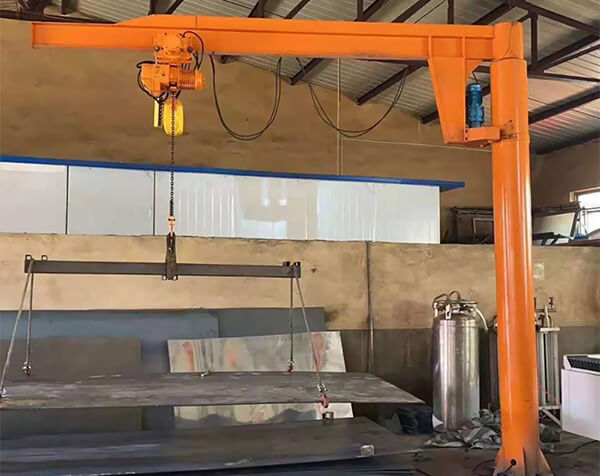
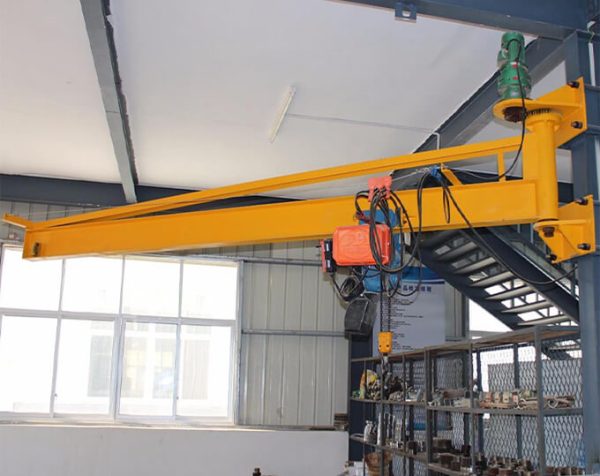
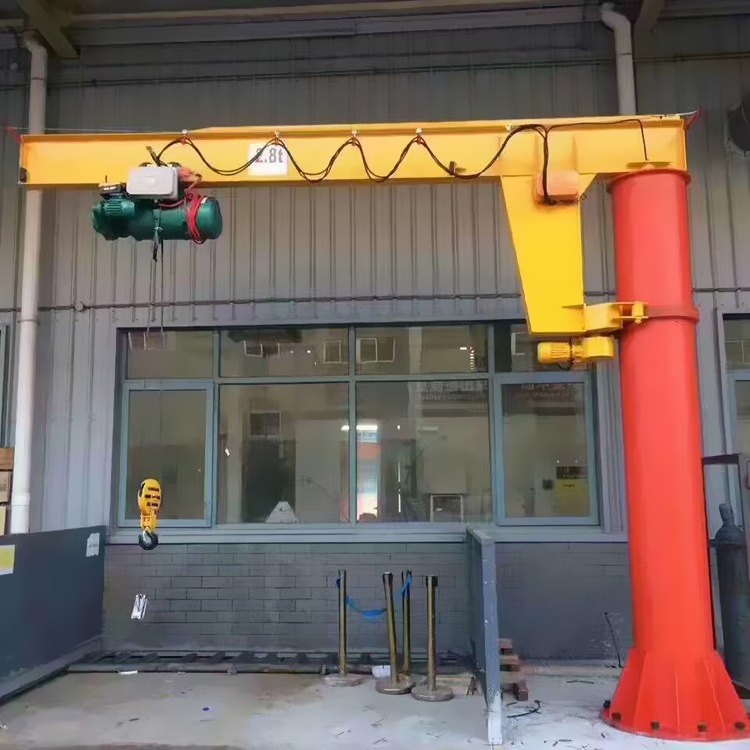
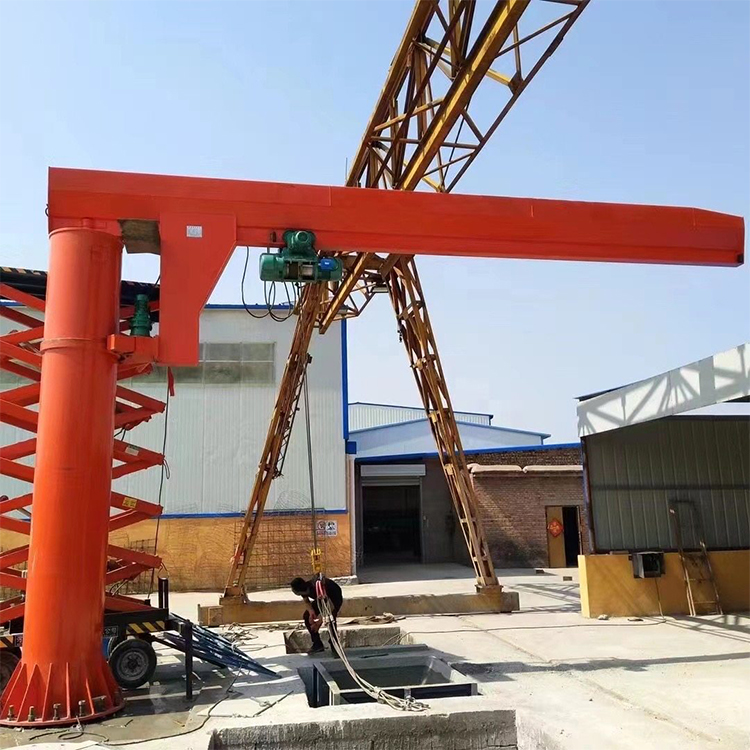
The electric hoist jib crane primarily consists of a pillar, jib arm, electric hoist, and a slewing mechanism. The pillar acts as a solid foundation, firmly anchored to the floor or supporting structure, providing reliable support for the entire system. The jib arm extends the lifting range, capable of rotating around the pillar, significantly expanding the operational coverage area.
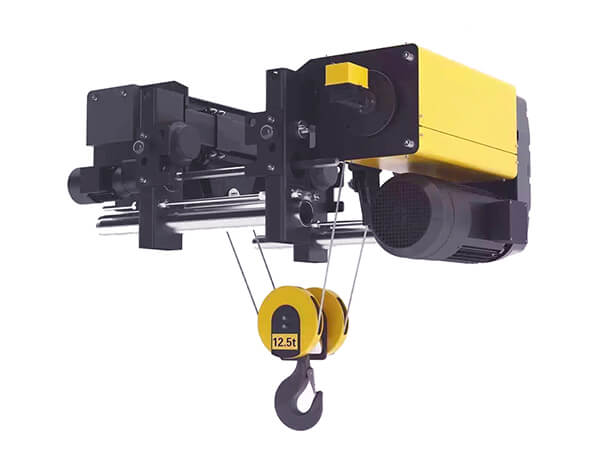
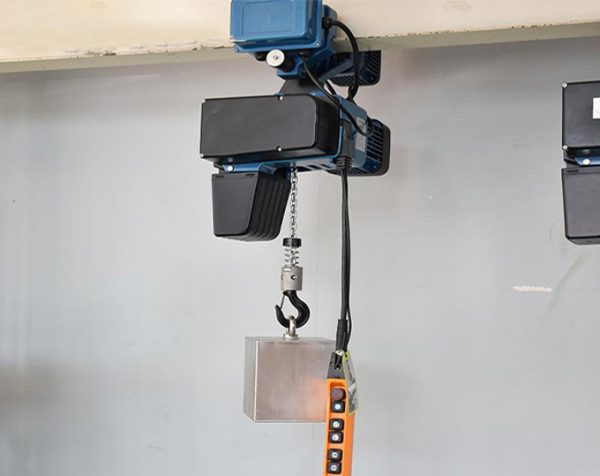
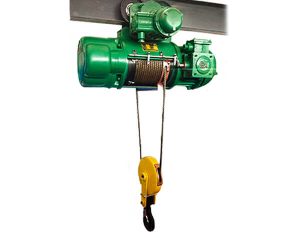
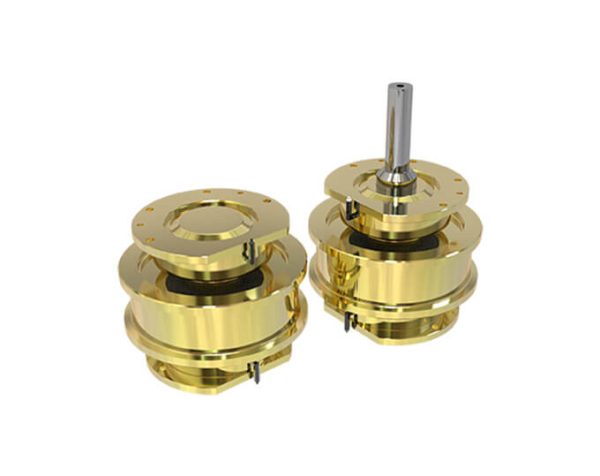
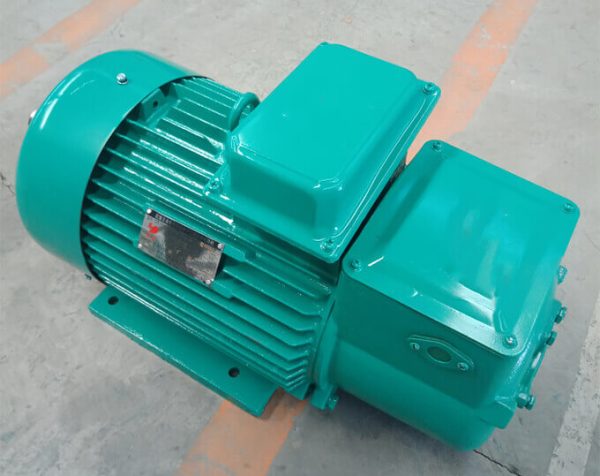
The electric hoist handles the lifting workload. Driven by a motor, it reels in or releases the wire rope or chain in a controlled manner, enabling smooth lifting and lowering of heavy loads. The slewing mechanism—typically composed of a slewing bearing or bearing assembly—ensures stable, smooth rotation of the jib arm. The coordinated operation of all components allows the crane to efficiently complete material handling tasks within limited space.
2. Applications: Versatile Solutions Across Industries
Factory Workshops
In machining and assembly workshops, material handling demands are diverse—from large engine blocks to precision small parts. The electric hoist jib crane can handle these tasks with accuracy, moving components quickly between machines and ensuring smooth production line operation. In automotive manufacturing, it efficiently lifts and transports vehicle parts, supporting streamlined assembly processes and improving overall production efficiency.
Warehousing and Logistics
In warehouses, loading, unloading, and stacking tasks are frequent and high-volume. The electric hoist jib crane can quickly lift cargo from transport vehicles and move it precisely to designated storage areas, accelerating inventory turnover. Whether for high-frequency small-item handling in e-commerce warehouses or large-scale goods management in distribution centers, the crane delivers reliable performance.
Equipment Maintenance
When factory equipment requires maintenance or repair, the electric hoist jib crane becomes an invaluable assistant. It easily lifts machine components, allowing maintenance personnel to dismantle, replace, and install parts efficiently. This facilitates rapid equipment restoration and minimizes downtime.
3. Safety Assurance: Multi-Layer Protection for Production
Safety is paramount in crane operation. Electric hoist jib cranes are typically equipped with multiple protective devices. Overload protection systems act as vigilant guardians: if the lifting weight exceeds the rated capacity, the crane stops immediately and triggers an alarm, preventing equipment damage or safety incidents. Limit switches strictly control hoist lifting heights and jib rotation angles, preventing operations beyond safe ranges, effectively avoiding collisions and other hazards. These features ensure the safety of both personnel and equipment during industrial operations.
4. Maintenance: Careful Upkeep for Extended Service Life
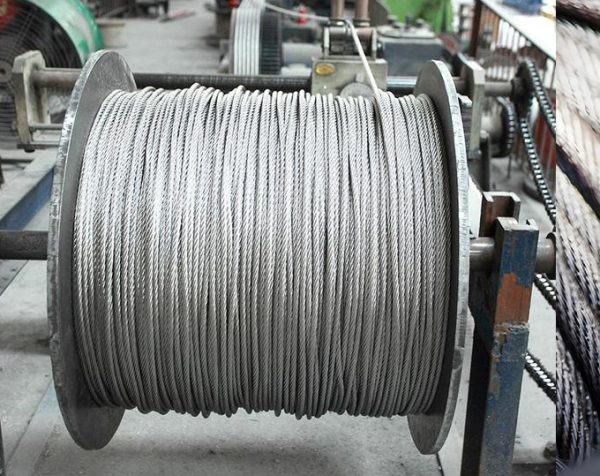
Daily Inspection: Operators should check the crane’s exterior daily before use, looking for damage or deformation, and ensure all connections are secure. Key areas include the hoist’s wire rope or chain, as well as the hook for wear, deformation, or cracks, promptly addressing any potential risks.
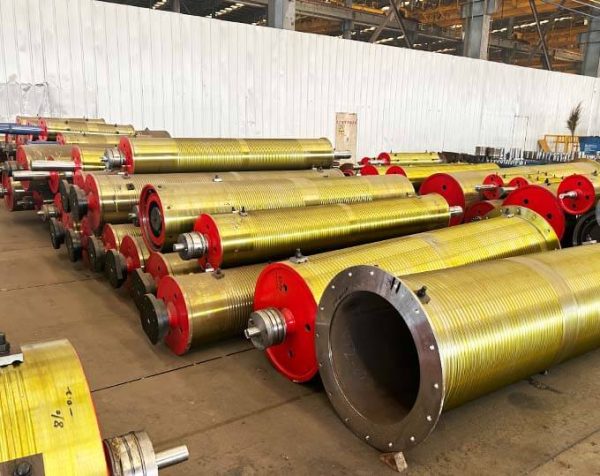
Regular Lubrication: Slewing mechanisms, hoist gears, and drums should be lubricated at prescribed intervals using suitable lubricants. This reduces friction and wear between components, significantly extending equipment life.
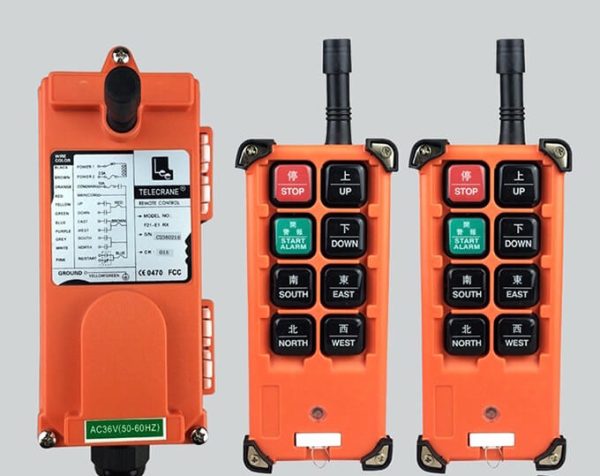
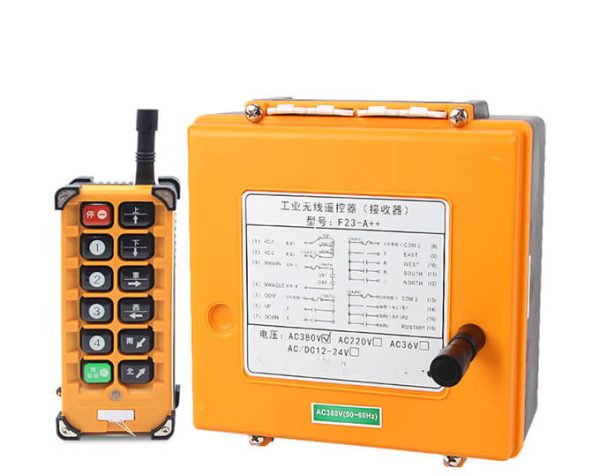
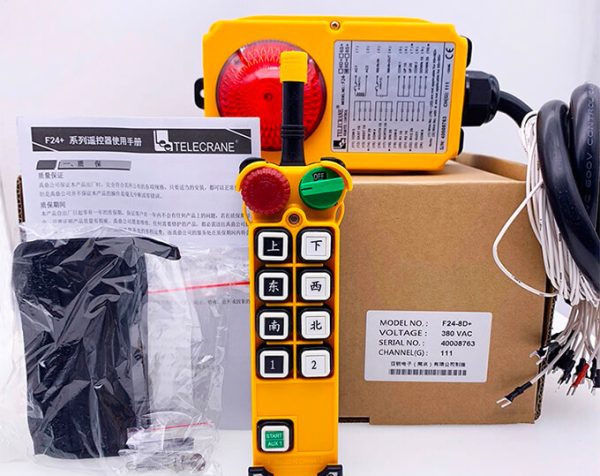
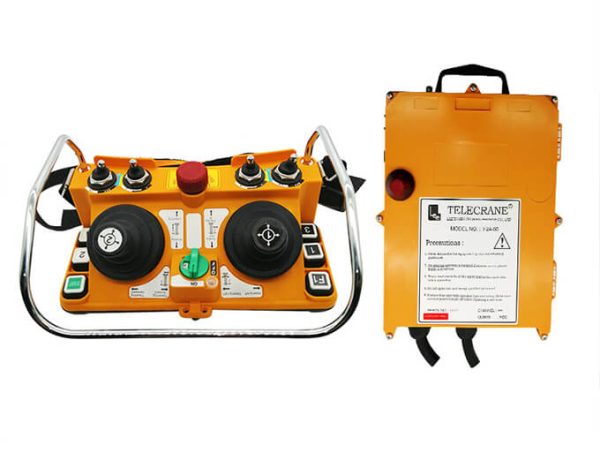
Electrical System Maintenance: Inspect electrical wiring for damage or aging and ensure all connections are secure. Controllers, remote controls, and other electrical components should function normally to prevent operational faults that could disrupt production.
5. Advantages: Superior Efficiency and Flexibility Compared to Traditional Cranes
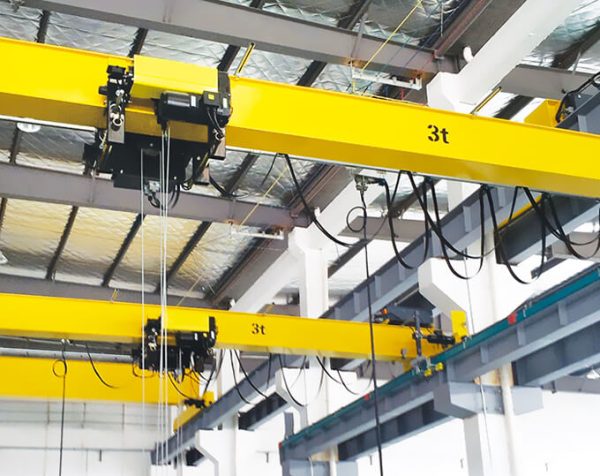
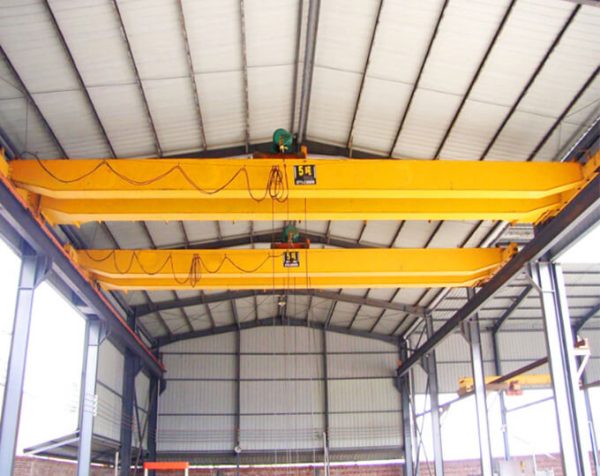
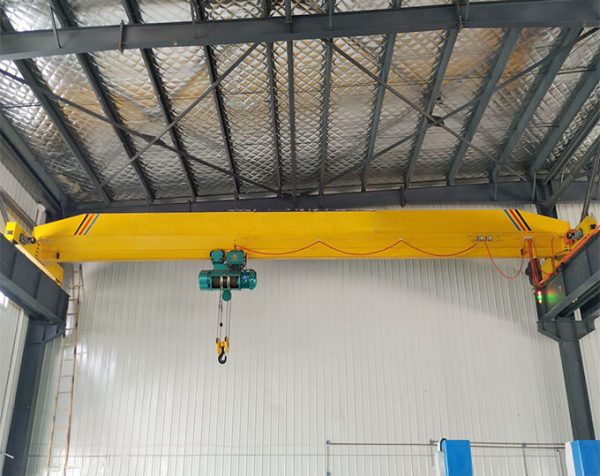
Compared with traditional overhead bridge cranes, electric hoist jib cranes have the advantage of a smaller footprint. While bridge cranes require overhead tracks and high structural clearance, jib cranes only need floor-mounted pillars, making them ideal for space-constrained environments.
In terms of flexibility, the jib crane can swiftly and precisely handle materials within its rotation range. Traditional fixed-point lifting systems cannot match this level of maneuverability or efficiently accommodate diverse lifting requirements.
In practical applications, a machinery manufacturer that adopted electric hoist jib cranes reported dramatic improvements in previously time-consuming lifting tasks. A single operator could now manage material transfers efficiently, ensuring timely supply to the production line, significantly boosting productivity and reducing production costs.
With its innovative structural design, wide-ranging applications, reliable safety features, easy maintenance, and outstanding operational advantages, the electric hoist jib crane has become an indispensable tool in industrial production. As technology continues to evolve, its value will expand across more sectors, driving higher efficiency and supporting seamless industrial operations.




-600x476.jpg)