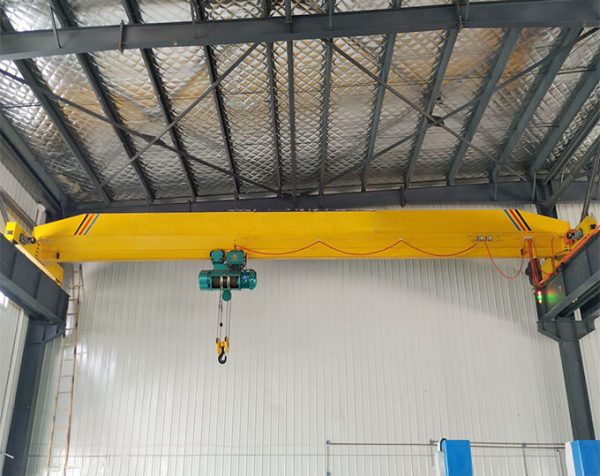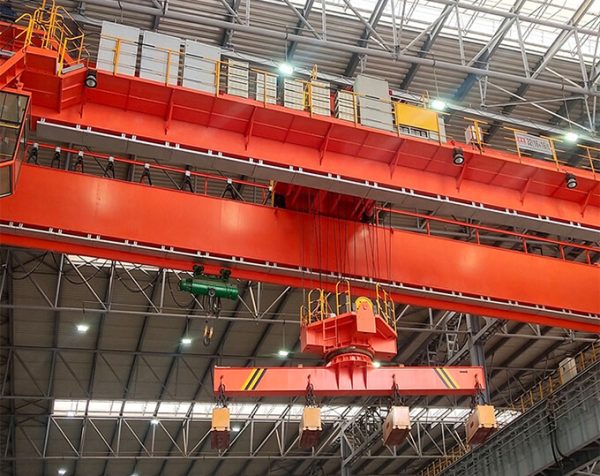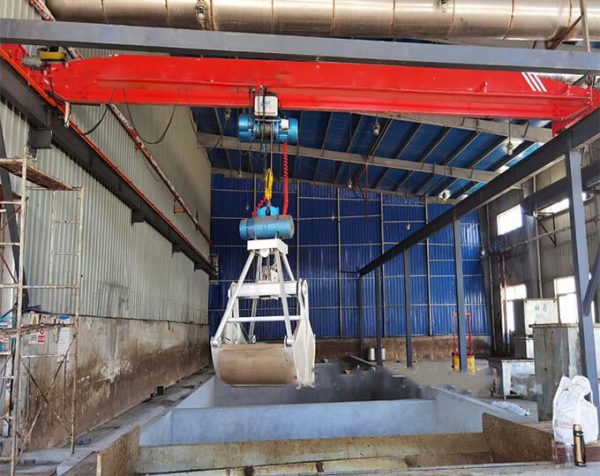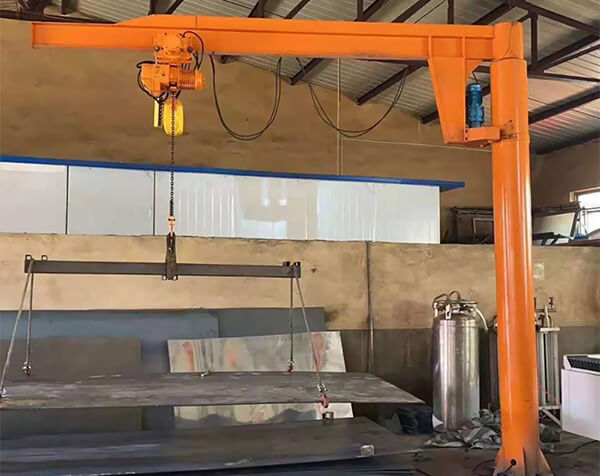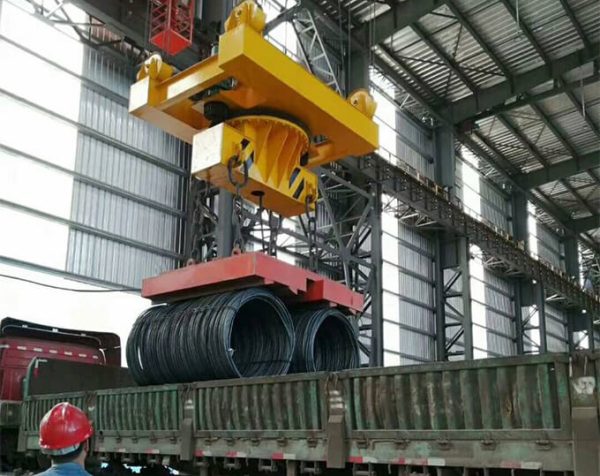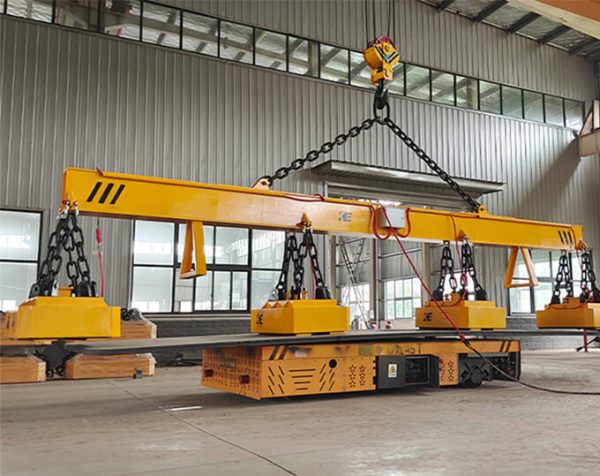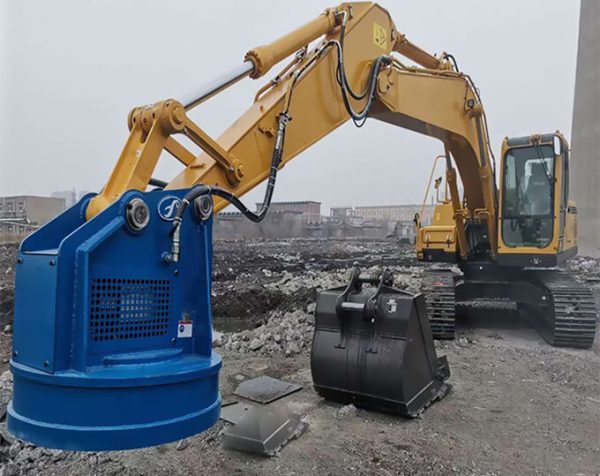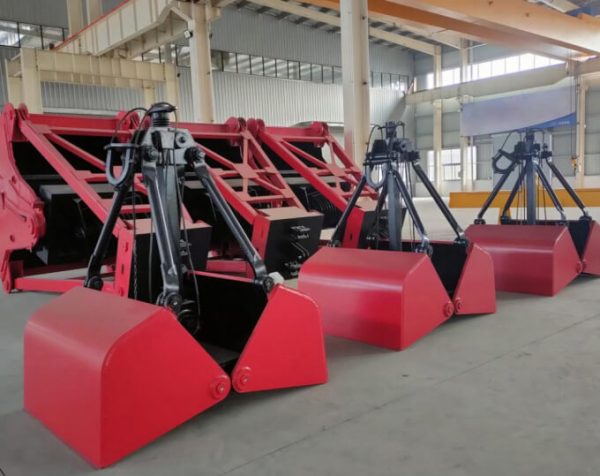
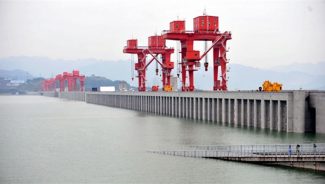

The external loads acting on a crane include lifting loads, the crane’s self-weight, dynamic loads during unstable motion, wind loads, gradient loads, impact loads when passing over uneven rail joints, lateral loads on wheel forgings, collision loads, installation and transportation loads, and certain process loads.
Due to the large variety and variability of external crane loads, during the design calculation, only typical loads relevant to the failure modes of crane components or structures can be selected as the basis. These loads are usually referred to as calculation loads.
In crane design calculation methods, there are three main types of calculations for crane components or structures:
Correspondingly, there are three main combinations of crane calculation loads:
This load represents the loads a crane experiences under normal working conditions. It is composed of the crane’s self-weight, equivalent lifting weight, horizontal loads caused by normal sway of the lifted object, dynamic loads from smooth starting and braking, and similar effects.
Type I load is used to calculate fatigue, wear, and heating for transmission components and metal structures of heavy-duty and extra-heavy-duty cranes. It is also called the service life calculation load.
In crane component calculations, the following parts require Type I load analysis:
This load represents the maximum load that may occur during the crane’s service life under operational conditions and is also called the strength calculation load. It consists of the crane’s self-weight, maximum rated lifting load, dynamic loads from sudden starting and braking, maximum wind pressure under operating conditions, and horizontal loads caused by maximum sway of the lifted object.
Type II load is used to calculate the strength of components, overall stability of the crane, motor overload capacity, and brake torque. Generally, all stressed components of crane wheels are analyzed using Type II load for strength verification.
This load represents the maximum load that may occur on crane wheels when the crane is not operating, also called the verification load. It consists of the crane wheel’s self-weight, maximum wind pressure, and loads due to track gradient under non-operating conditions.
Type III load is used to verify the strength of fixed equipment such as rail clamps, luffing mechanisms, certain parts of the support and rotation devices, and the metal structure, as well as the overall stability of the crane in the non-operating state.
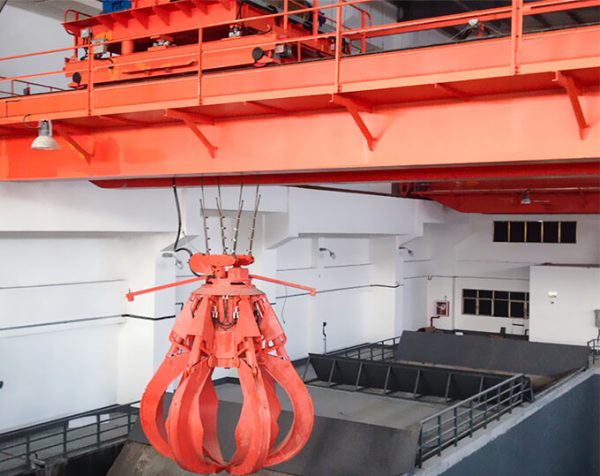
Originally prevalent in port construction for their efficiency, grab cranes now play an increasingly vital role in urban rail transit projects. The growing demands of metro construction have elevated both technical specifications and economic considerations for muck removal equipment.
In modern industrial production, different industries have unique requirements for lifting equipment. KBK light cranes have demonstrated exceptional performance across numerous sectors, thanks to their specialized capabilities.
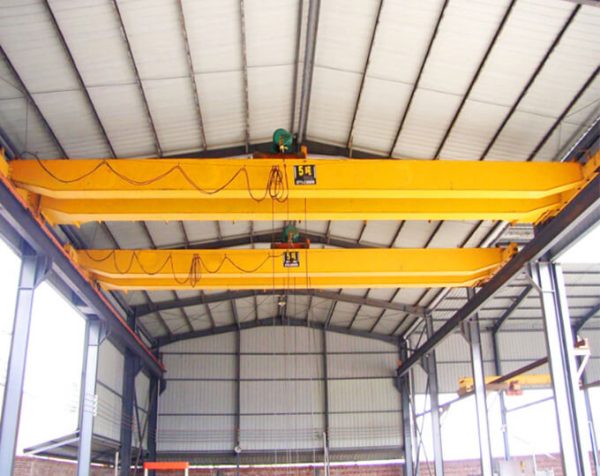
Industrial lifting operations commonly utilize both single-girder and double-girder cranes, but their structural differences lead to distinct performance characteristics.