Choosing between a chain hoist and a wire rope hoist is not about which one is better overall, but which one is more suitable for your specific application.
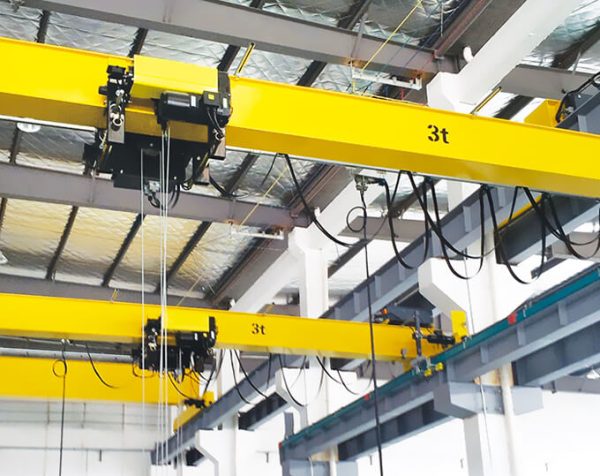
Both types of hoists are widely used in lifting equipment and overhead crane systems. The right choice depends on factors such as lifting capacity, working frequency, lifting height, and operating environment.
Looking for the right hoist for your project? We provide customized chain hoists and wire rope hoists based on your requirements. Contact us to get a fast and accurate quotation.
What Is the Difference Between a Chain Hoist and a Wire Rope Hoist
The main difference between a chain hoist and a wire rope hoist lies in the lifting medium and performance characteristics.
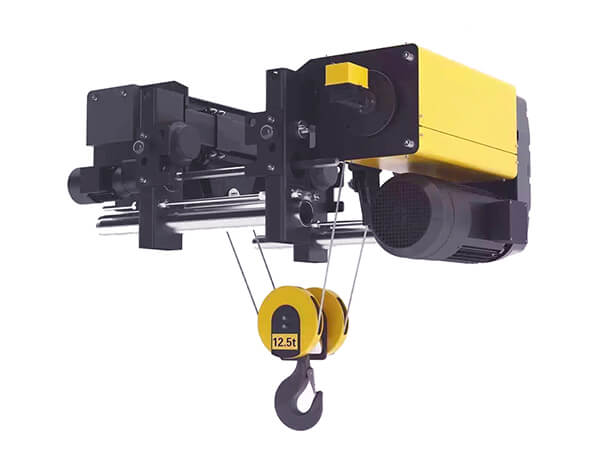
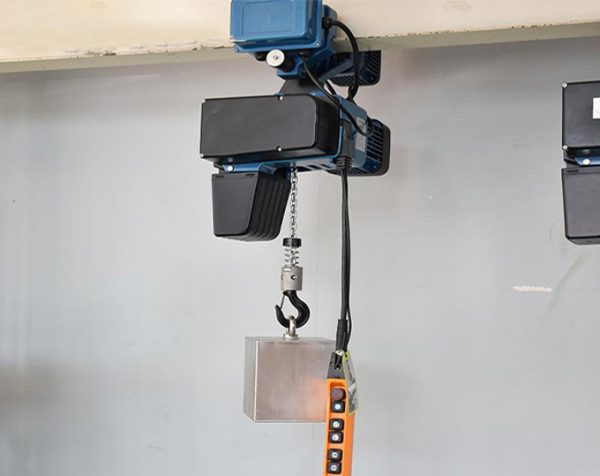
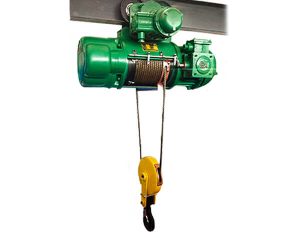
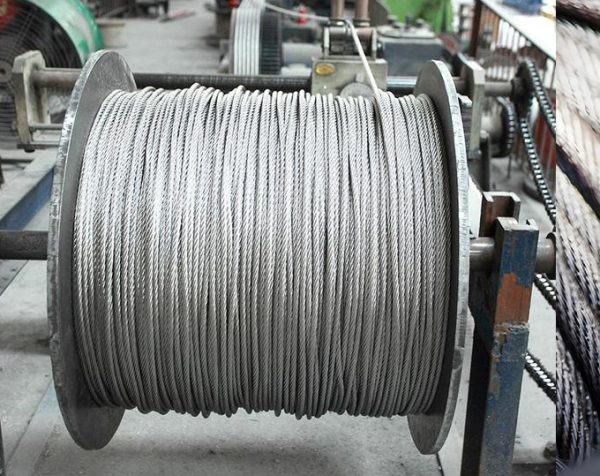
A chain hoist uses a load chain for lifting and is typically suitable for light to medium duty applications. A wire rope hoist uses steel wire rope and is designed for higher capacity, higher speed, and more demanding working conditions.
However, instead of focusing only on the lifting medium, it is more important to evaluate actual working requirements such as duty cycle, lifting height, and operating efficiency.
Chain Hoist: Advantages and Typical Applications
Chain hoists are often selected for applications where flexibility, cost-effectiveness, and compact design are important.
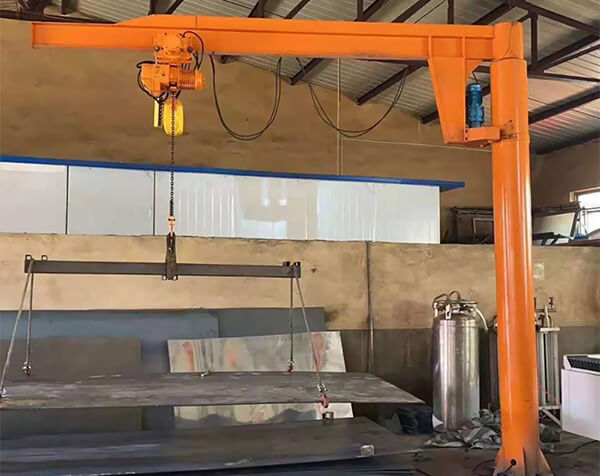
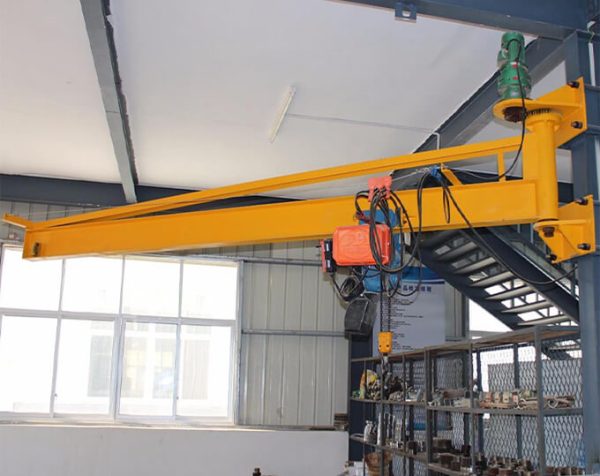
One of the key advantages of a chain hoist is its compact structure. Without a drum, it requires less headroom, making it suitable for workshops with limited space. It is also portable and can perform reliably in relatively rough environments.
Another important benefit is the adjustable lifting height. The lifting height can be easily modified by changing the chain length, which is convenient for different working scenarios. In addition, a high-quality load chain can have a significantly longer service life compared to standard wire rope, reducing long-term replacement costs.
Chain hoists are commonly used in maintenance work, construction sites, warehouses, and small workshops. They are generally recommended for lifting capacities under 10 tons and for intermittent or low-frequency operations.
However, chain hoists also have limitations. The lifting speed is usually slower, and the operation may generate more noise. They are not ideal for long lifting heights, especially beyond 20 feet (6 meters), and require space for chain storage.
Wire Rope Hoist: Advantages and Typical Applications
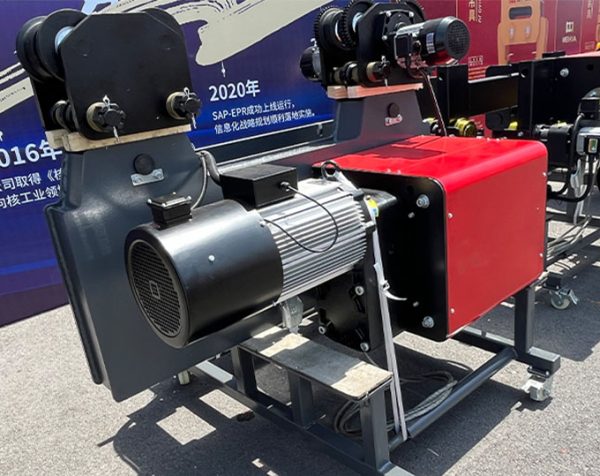
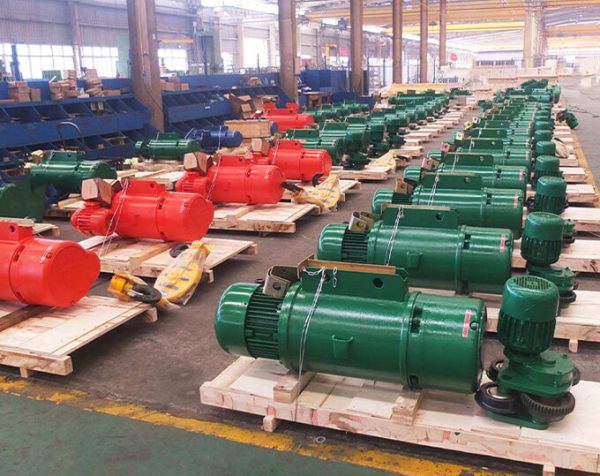
Wire rope hoists are designed for heavy-duty and high-efficiency lifting tasks, especially in industrial production environments.
One of their main advantages is higher lifting and lowering speed, which improves overall productivity. They also provide smoother and quieter operation, making them suitable for precision handling.
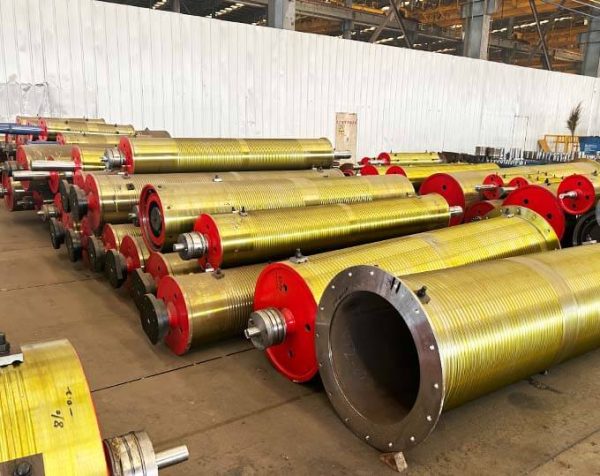
Wire rope hoists are ideal for applications with long lifting heights and high working frequency. In terms of capacity, they are commonly used for loads of 10 tons and above, and can be designed for heavy-duty classifications such as H5.
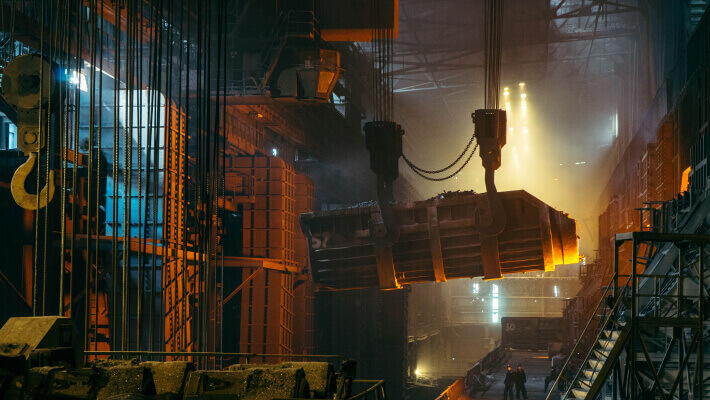
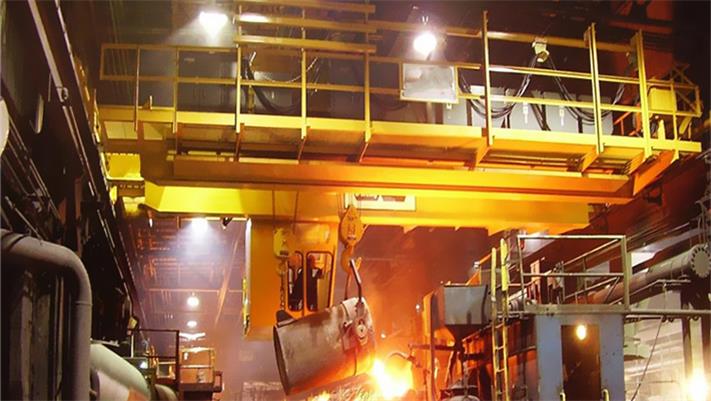
These hoists are widely used in manufacturing plants, steel mills, large warehouses, and continuous production lines where efficiency and reliability are critical.
The trade-offs include a higher initial investment and a more complex structure due to the drum mechanism. Regular inspection and maintenance of the wire rope are also required to ensure safe operation.
Chain Hoist vs Wire Rope Hoist: Key Differences
When comparing these two types of hoists, the main differences can be summarized as follows:
Chain hoists are more suitable for light-duty applications, lower cost projects, and situations where space is limited. They offer flexibility and durability but have lower speed and capacity limitations.
Wire rope hoists are better suited for heavy-duty operations, higher lifting speeds, and longer lifting heights. They provide better performance in continuous and demanding environments but require a higher budget and more maintenance.
Not sure which hoist is right for your application? Tell us your lifting capacity, lifting height, and usage conditions, and our engineers will recommend the most suitable solution for you.
How to Choose the Right Hoist
To select the right hoist, it is important to focus on actual working conditions rather than just the type of hoist.
First, consider the duty cycle classification based on standards such as FEM or ASME. This determines how frequently the hoist will be used and its required durability.
Second, evaluate the lifting requirements, including maximum load capacity, lifting height, and working frequency.
Third, consider operating efficiency, including lifting speed and workflow requirements. For production environments, higher speed and smoother operation may be critical.
In addition, check installation conditions such as available headroom and mounting method. Environmental factors such as temperature, dust, and corrosion should also be taken into account.
Final Recommendation
For projects that involve light-duty lifting, limited budget, and flexible usage, a chain hoist is often the most practical and cost-effective choice, especially for capacities under 10 tons.
For applications that require high efficiency, continuous operation, long lifting height, or heavy loads above 10 tons, a wire rope hoist is generally the better option.
Selecting the right hoist can significantly improve efficiency, reduce downtime, and lower long-term costs.
Get a Free Hoist Selection and Quote
If you are still unsure whether to choose a chain hoist or a wire rope hoist, we are here to help.
We provide customized lifting solutions based on your specific project requirements, including capacity, lifting height, and working conditions.
Our advantages include stable quality, competitive factory pricing, and fast delivery.
Send us your requirements today and get a professional recommendation and quotation within 24 hours.





-600x476.jpg)