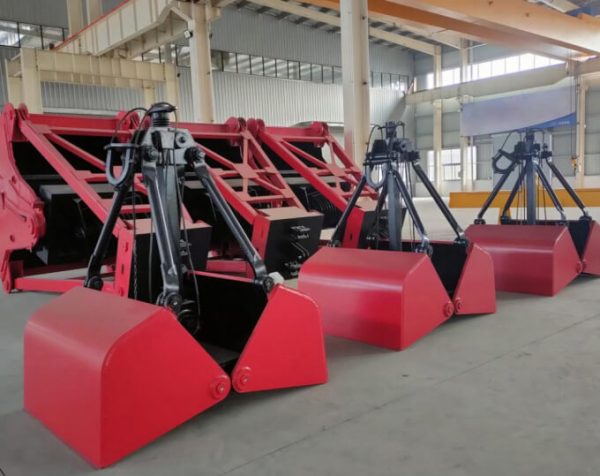
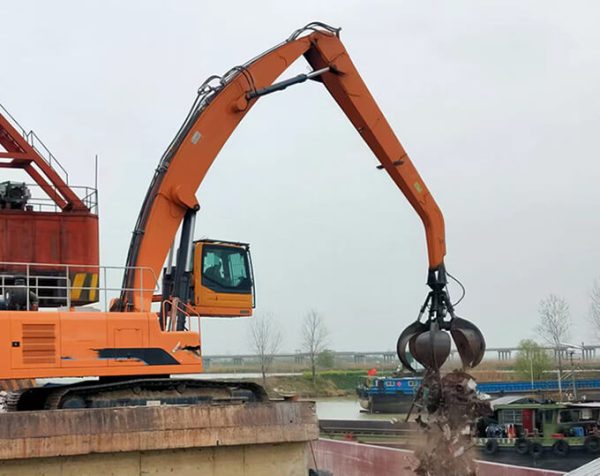
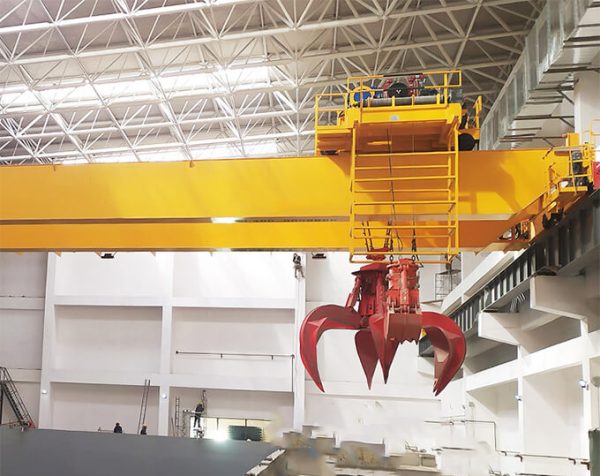
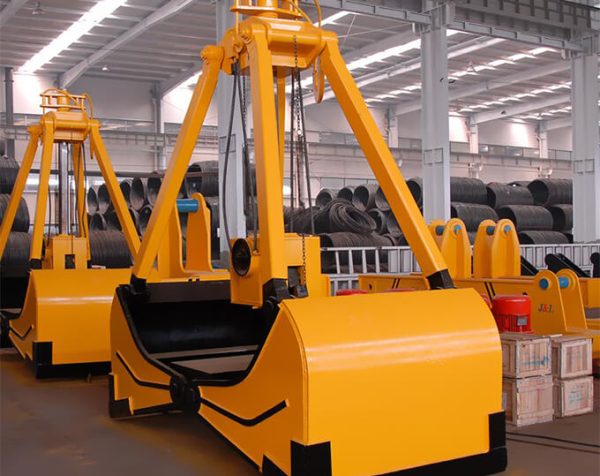
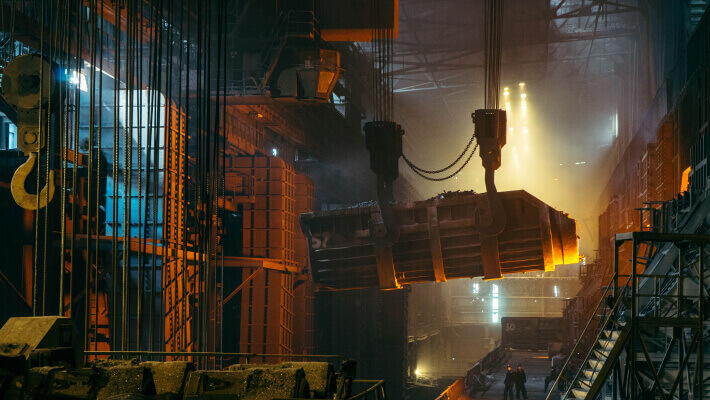
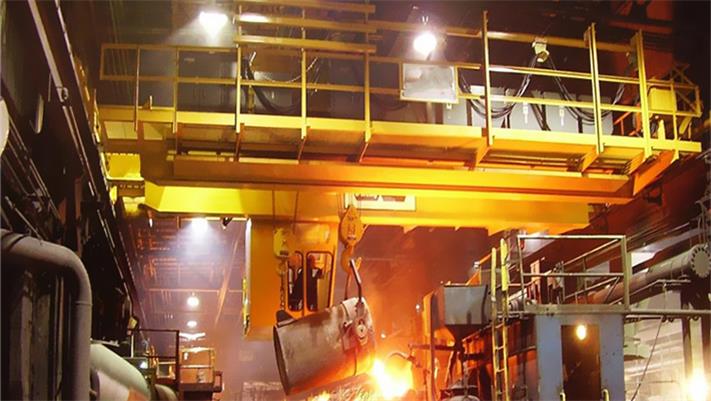
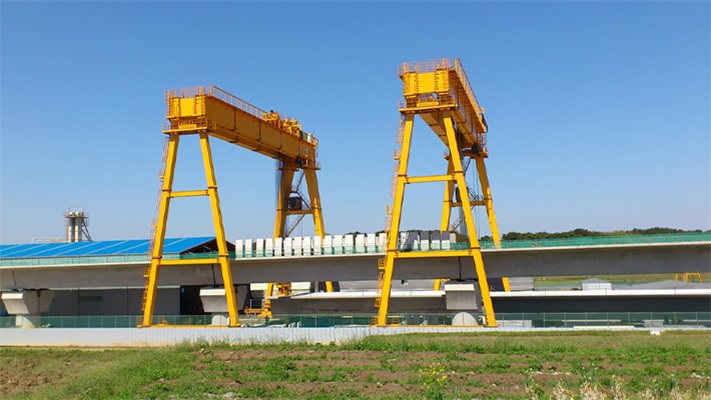
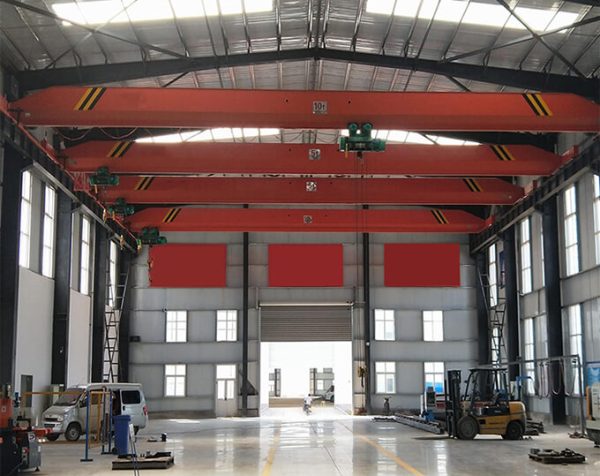
An overhead bridge crane is designed to move loads both horizontally and longitudinally within a facility. It is widely used in workshops, warehouses, and industrial plants for efficient material handling.
Understanding the main components of a bridge crane is essential for proper selection, operation, and maintenance.
If you are looking for a reliable crane solution, we provide customized overhead crane systems based on your workshop layout and lifting requirements. Contact us to get a professional recommendation and quotation.
Main Components of a Bridge Crane
A typical overhead crane system consists of several key components that work together to ensure safe and efficient lifting.
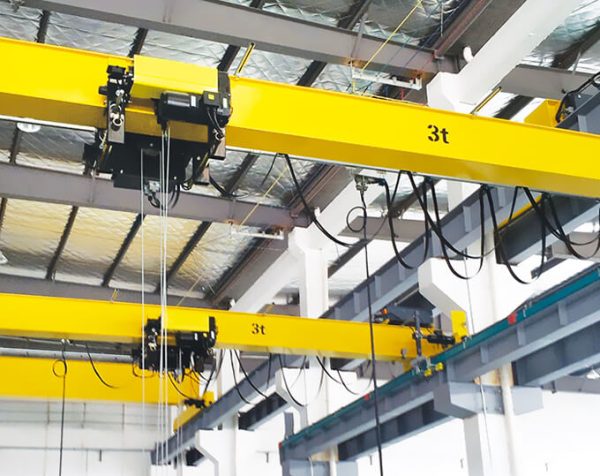
1. Bridge
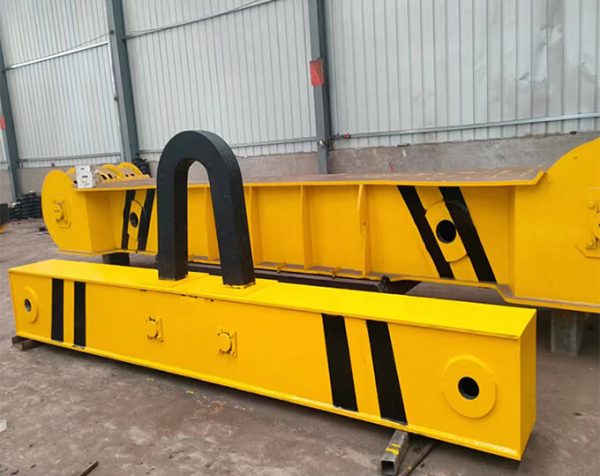
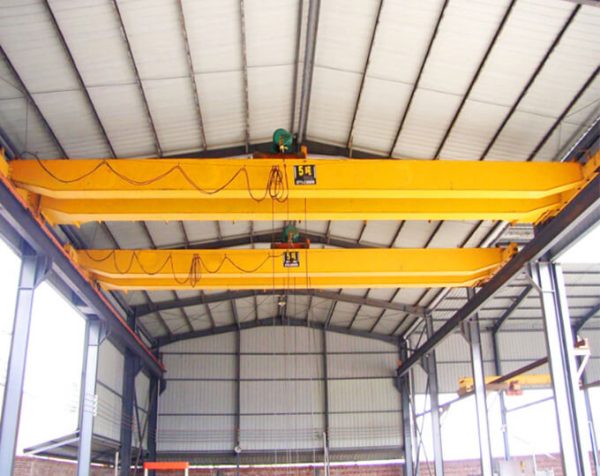
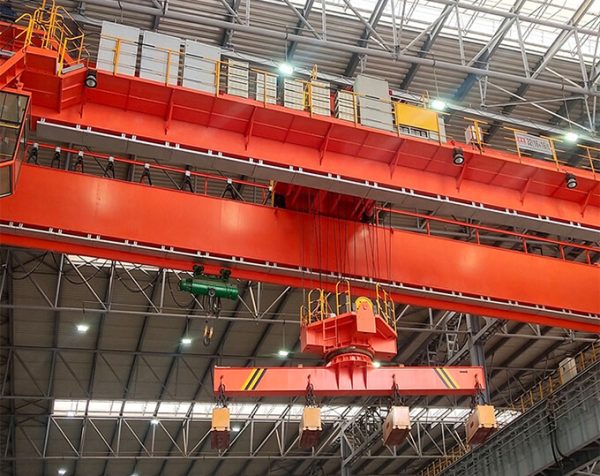
The bridge is the main structural part of the crane. It spans the width of the building and supports the lifting system.
It is usually made of steel girders, which can be:
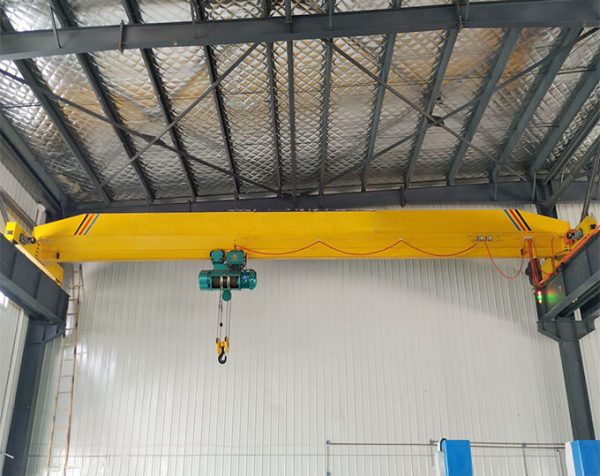
- Single girder
- Double girder
- Box girder or I-beam structure
The bridge carries the trolley and hoist, allowing them to move along the length of the crane.
2. Runway System
The runway system is the supporting structure on which the crane travels.
It includes:
- Runway beams (part of the building structure)
- Supporting columns or brackets
The runway ensures stable and safe crane movement across the facility.
3. Runway Rail
The runway rail is mounted on top of the runway beams.
It provides a track for the crane wheels, allowing the crane to move smoothly along the building length.
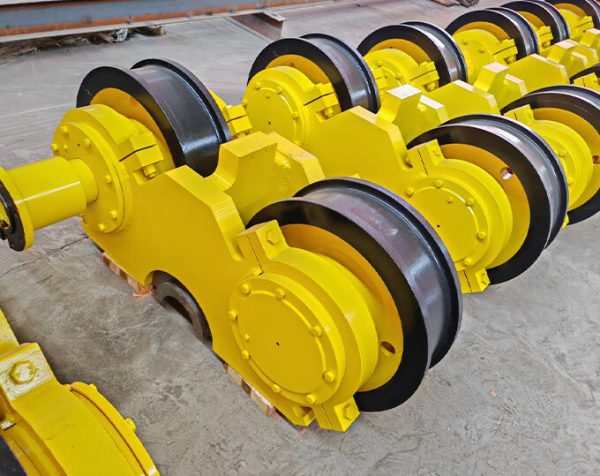
4. End Trucks
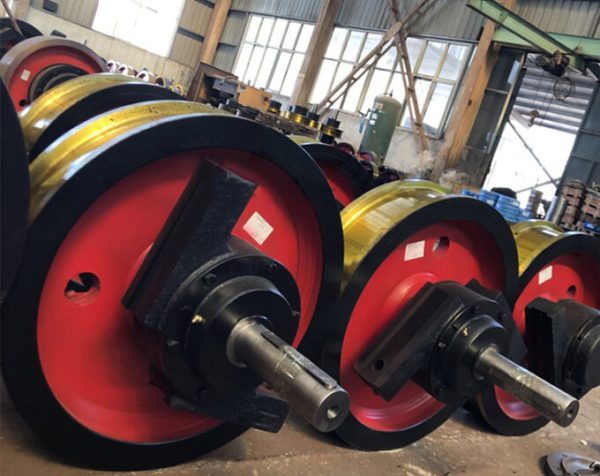
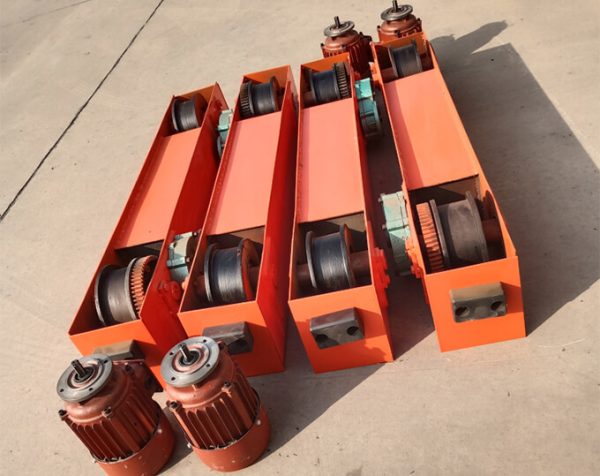
End trucks are located at both ends of the bridge and support the entire crane.
They include:
- Wheels
- Bearings
- Axles
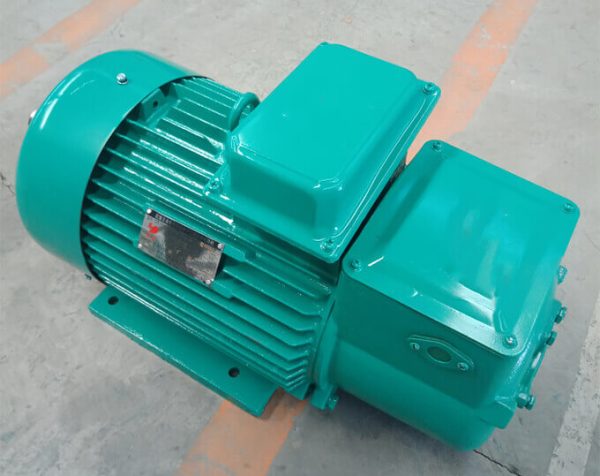
- Drive motors
The wheels travel along the runway rails, while motors drive the crane forward and backward.
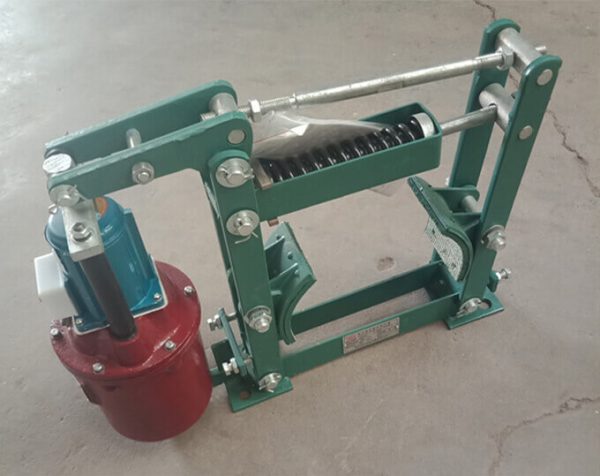
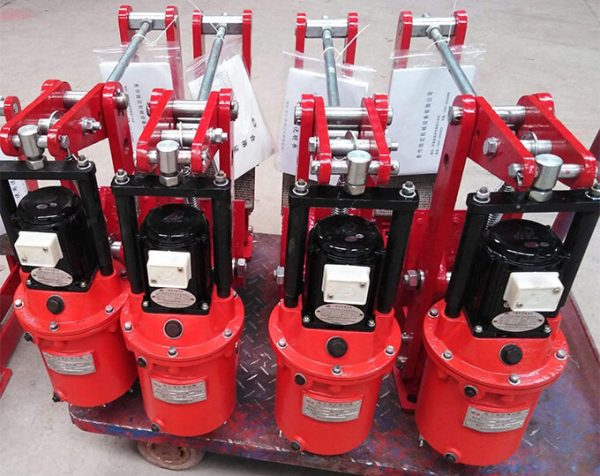
Braking systems and limit switches are installed to ensure safety and prevent collisions.
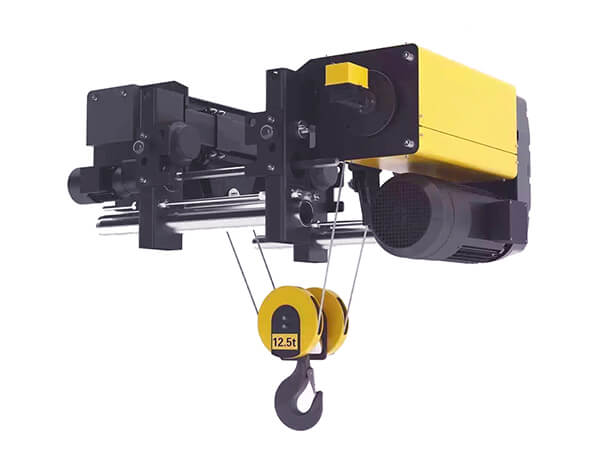
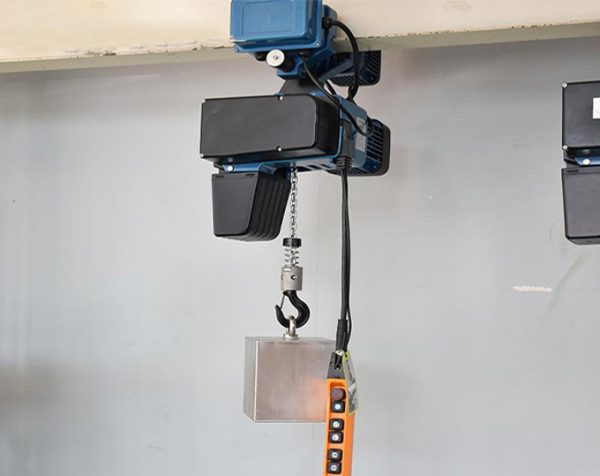
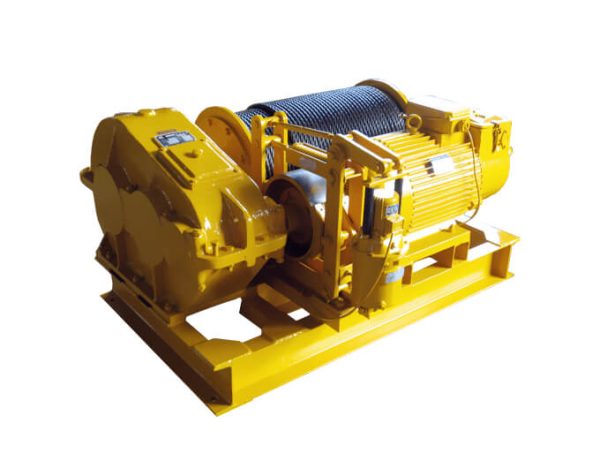
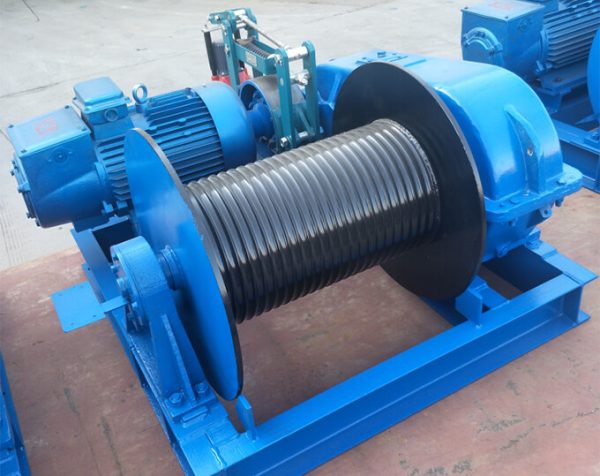
5. Hoist Mechanism
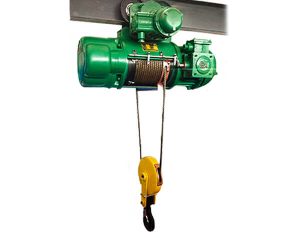
The hoist is the core lifting unit of the crane.
It is responsible for:
- Lifting
- Lowering
- Holding the load
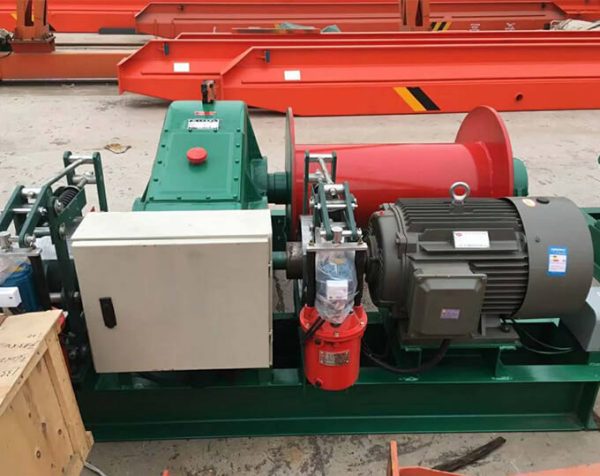
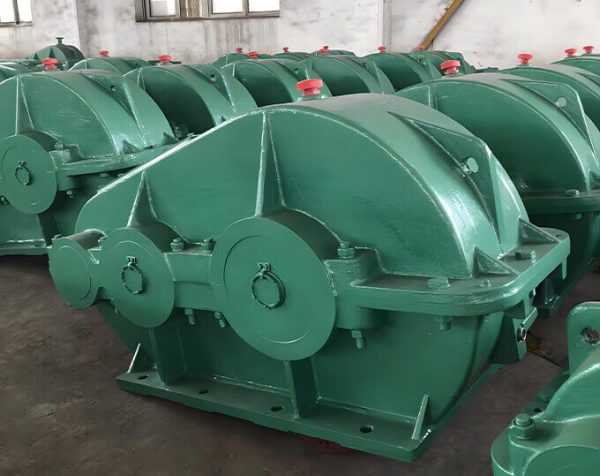
A typical hoist system includes:
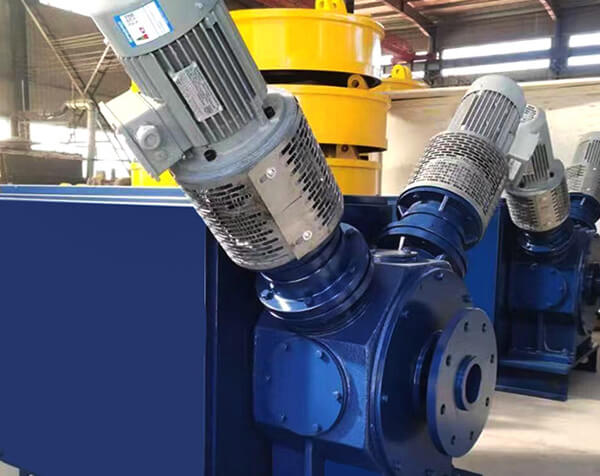
- Motor
- Gearbox
- Brake system
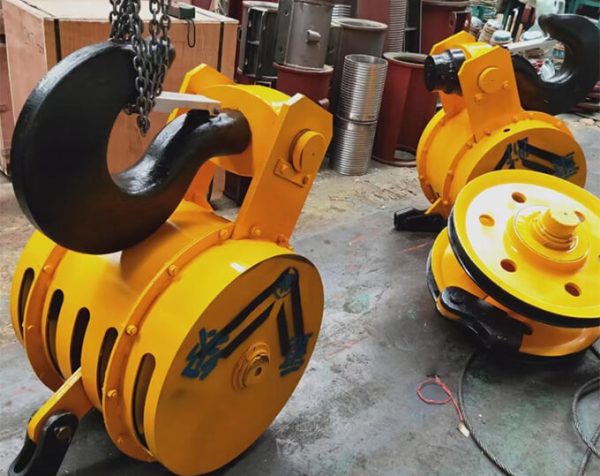
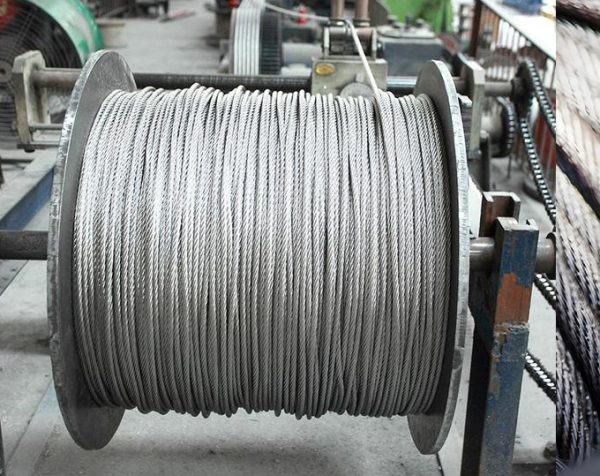
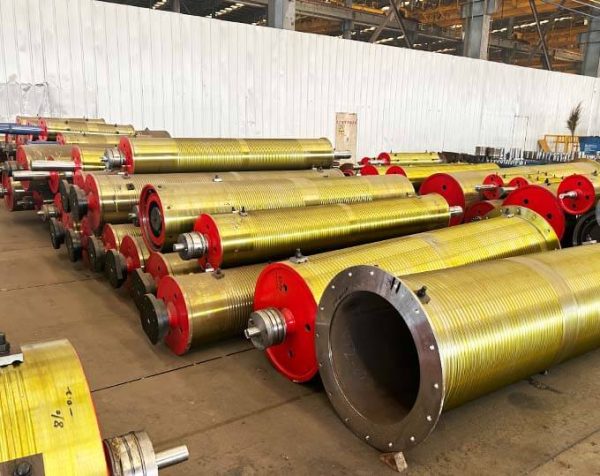
- Drum and wire rope (or chain)
- Hook block
The hoist is mounted on the trolley.
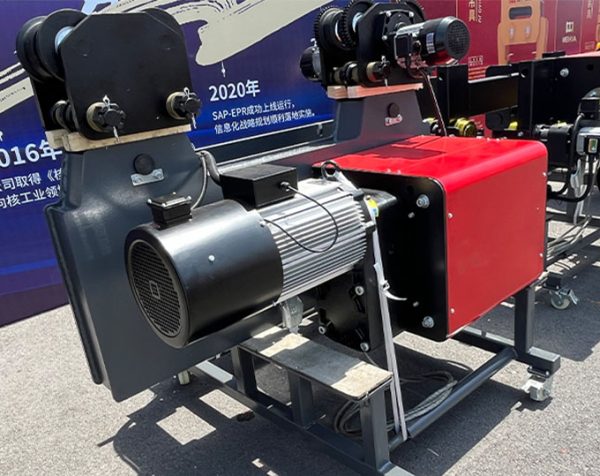
6. Trolley (Crab)
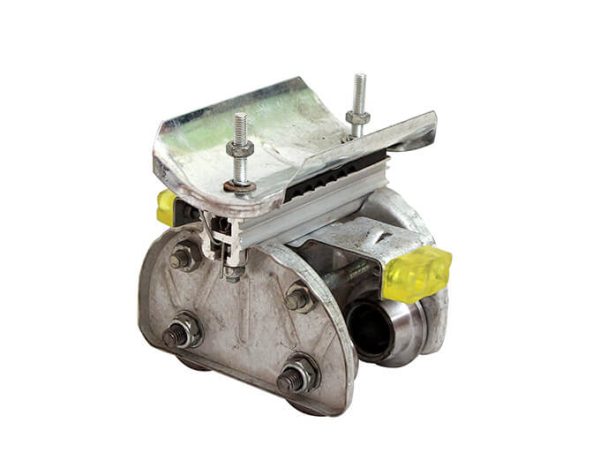
The trolley, also known as the crab, is the unit that moves the hoist horizontally across the bridge.
There are two common types:
- Top-running trolley (used in double girder cranes)
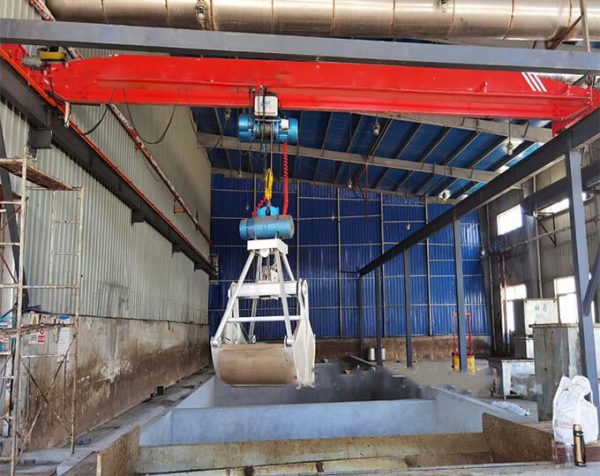
- Underhung trolley (used in single girder cranes)
The trolley carries the hoist and enables cross-travel movement of the load.
7. Bumpers (Buffers)
Bumpers are safety devices installed at the ends of crane travel paths.
Their function is to:
- Absorb impact
- Reduce collision force
- Protect crane structure and building
They are essential for safe operation, especially in high-speed systems.
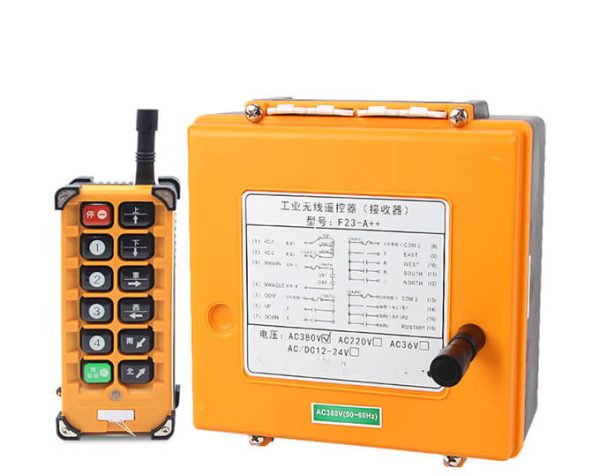
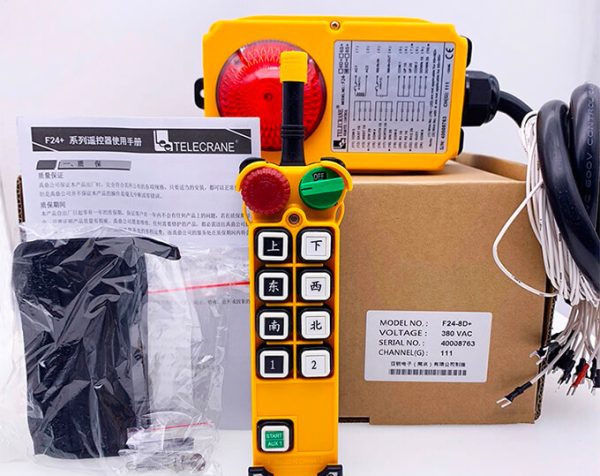
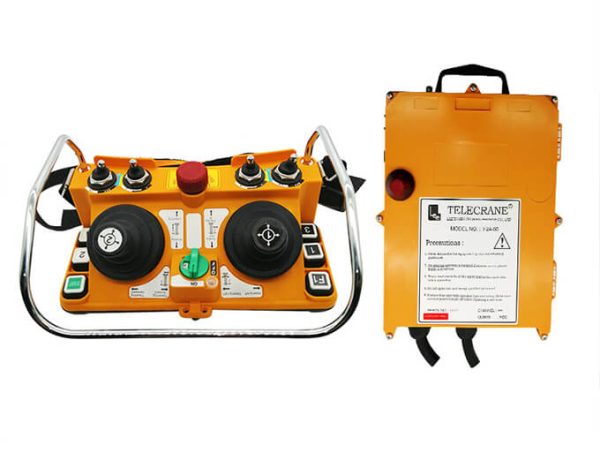
8. Control System
The control system allows operators to manage crane movement safely and efficiently.
Common control methods include:
- Pendant control (wired)
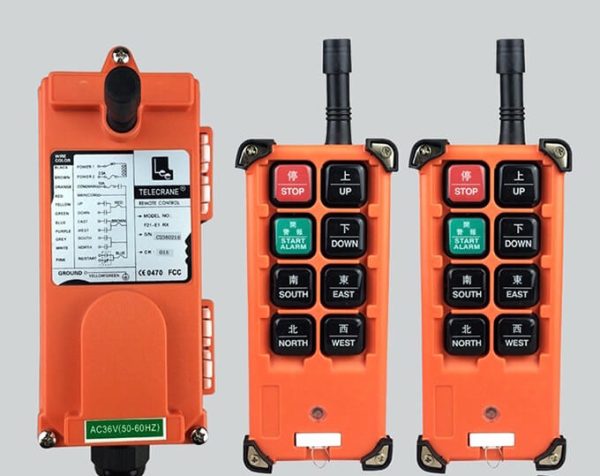
- Remote control (wireless)
- Cabin control (for large cranes)
Modern systems often use variable frequency drives (VFD) for smooth speed control and precise positioning.
Safety features such as emergency stop and master switch are also included.
Additional Features (Optional)
Depending on the application, bridge cranes may include additional features such as:
- End stops
- Maintenance platforms
- Under-bridge lighting
- Operator cabins (air-conditioned or enclosed)
- Specialized control systems
These features improve safety, maintenance, and operational efficiency.
How These Components Work Together
In operation:
- The hoist lifts the load vertically
- The trolley moves the load left and right
- The bridge travels forward and backward
This combination allows full coverage of the working area and efficient material handling.
Why Understanding Crane Components Matters
Knowing the components of a bridge crane helps you:
- Choose the right crane configuration
- Improve safety and efficiency
- Plan maintenance and reduce downtime
- Communicate clearly with suppliers
Not sure which crane configuration is suitable for your project? Send us your workshop size, lifting capacity, and application details, and we will provide a customized solution.
Get a Free Overhead Crane Solution and Quote
We specialize in manufacturing and supplying overhead bridge cranes with customized configurations.
Our advantages include:
- Tailored design based on your project
- Competitive factory pricing
- Reliable quality and fast delivery
Contact us today to get a professional crane solution and quotation within 24 hours.





-600x476.jpg)