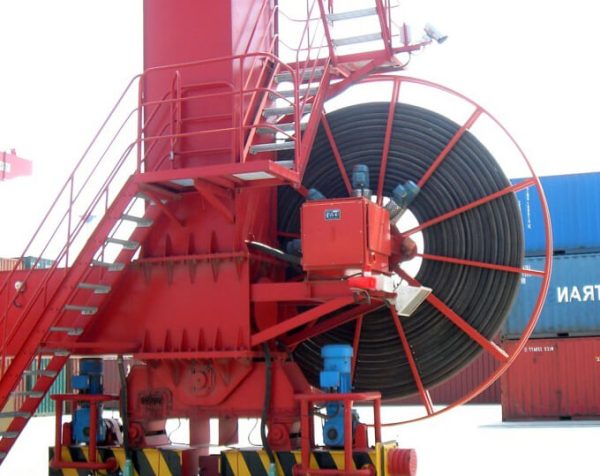
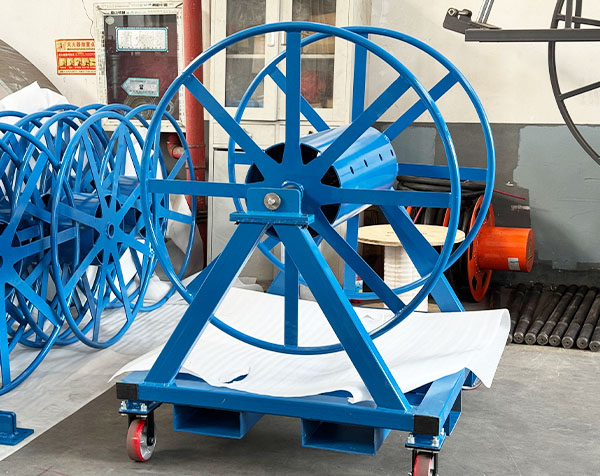
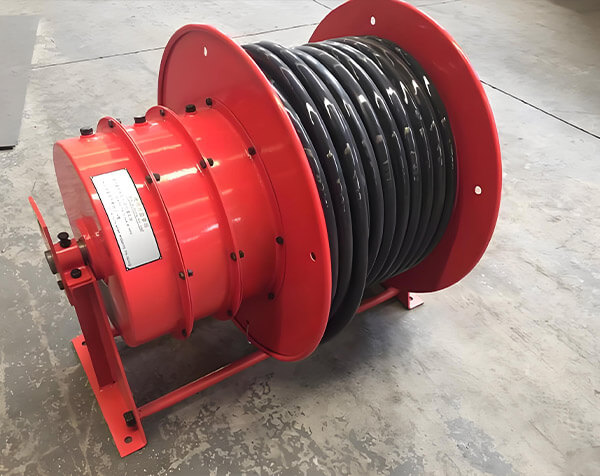
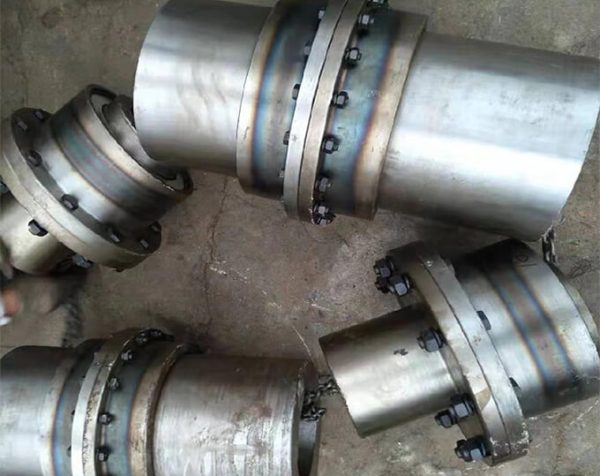
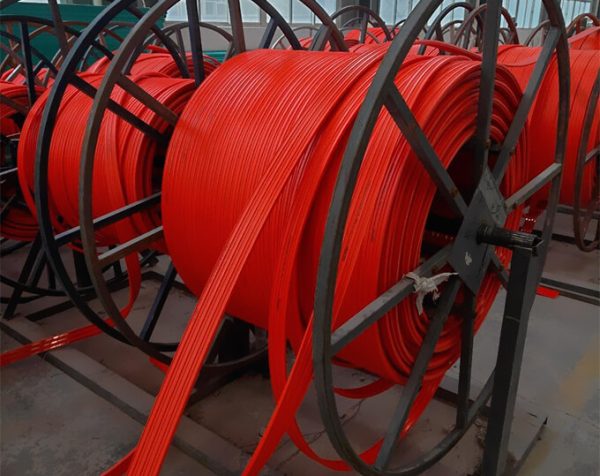
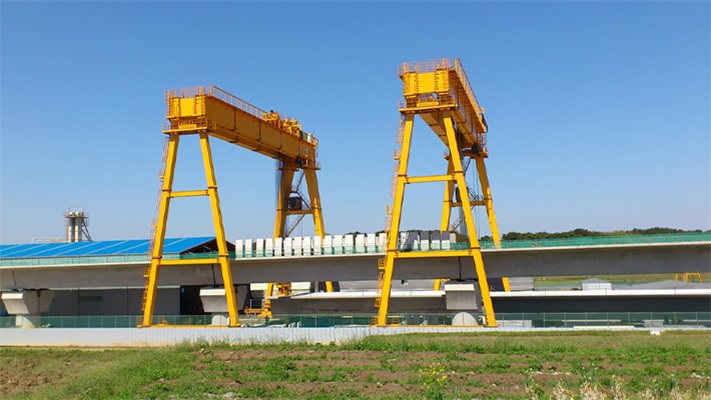
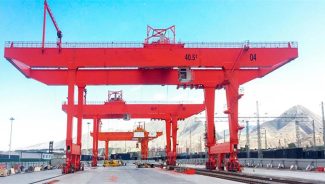
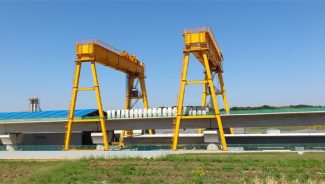
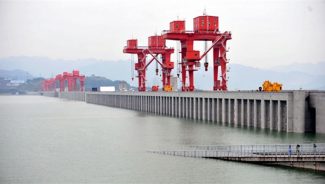
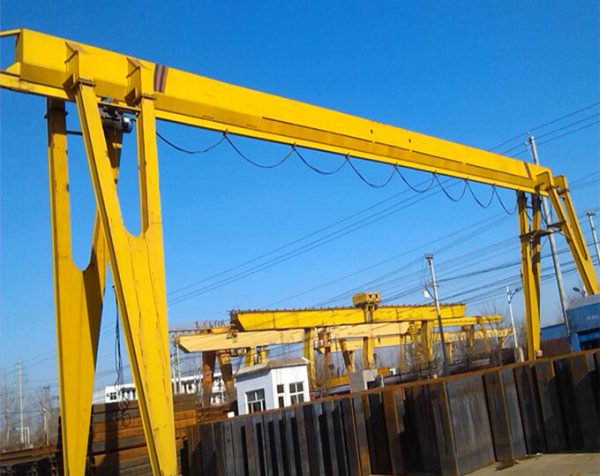
A Rubber Tyred Gantry Crane (RTG Crane), also known as a tyre-mounted gantry crane or mobile gantry crane, is a mobile lifting device widely used in ports, terminals, construction sites, and industrial facilities. It is commonly applied in cargo loading and unloading, material stacking, and heavy-duty lifting operations.
Its main feature is the use of rubber tyres for movement, providing excellent mobility and flexibility, allowing the crane to travel freely between different working areas. The working principle of an RTG crane mainly involves mechanical motion, electrical control, and hydraulic transmission systems.
1. Main Structure Components
A rubber tyred gantry crane mainly consists of the following parts:
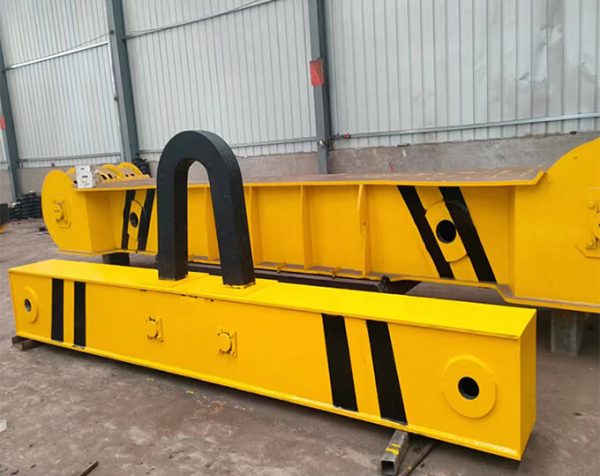
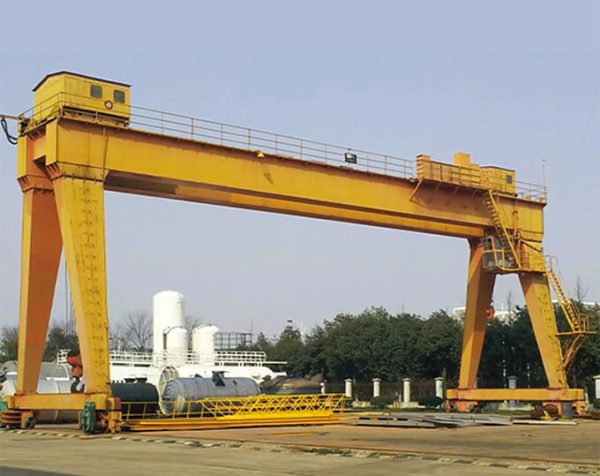
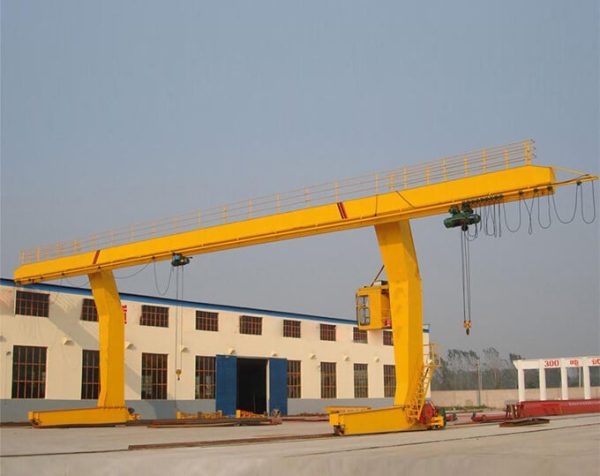
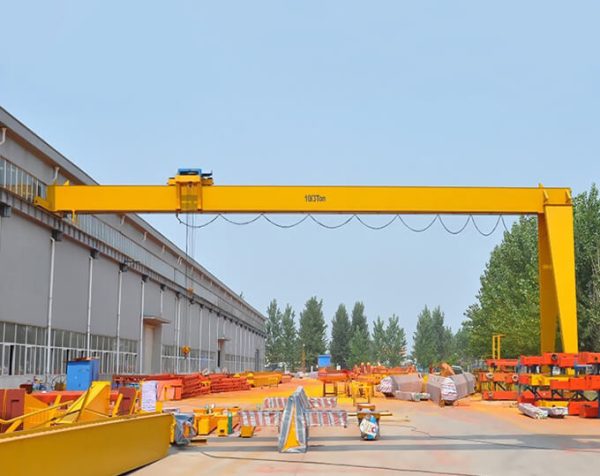
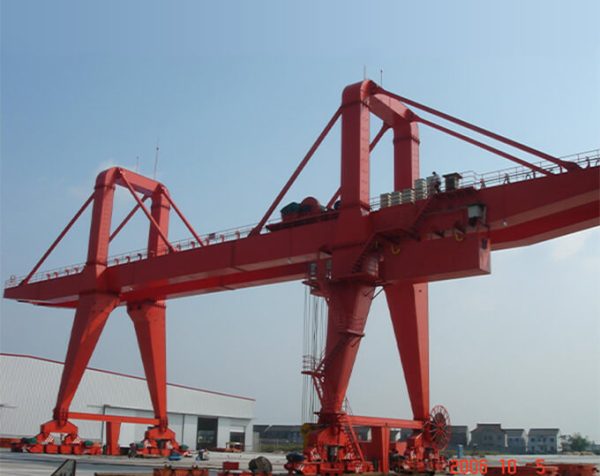
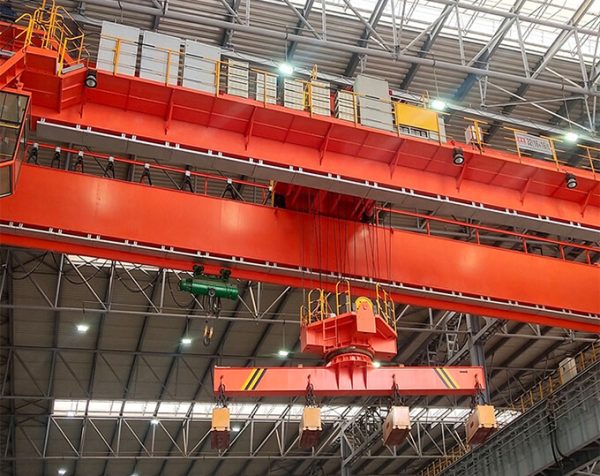
Main Girder
The main structural component used to carry loads. It is usually made of high-strength steel and has excellent load-bearing capacity.
Support Legs
The vertical supporting structures of the crane. They are generally equipped with rubber tyres, enabling the crane to move easily.
Hoisting Mechanism
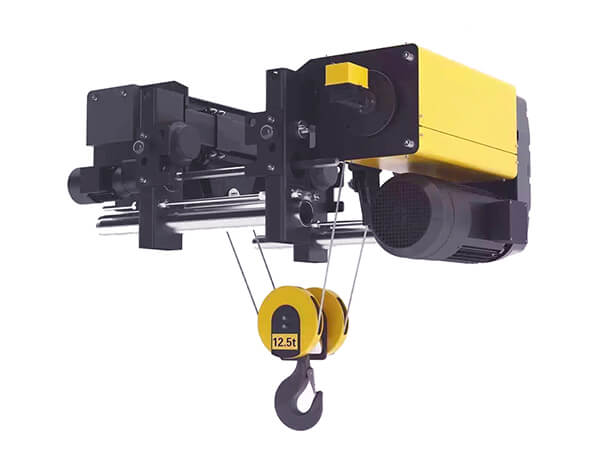
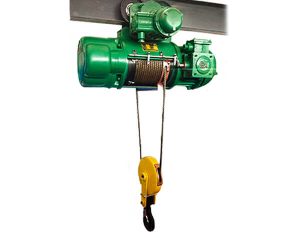
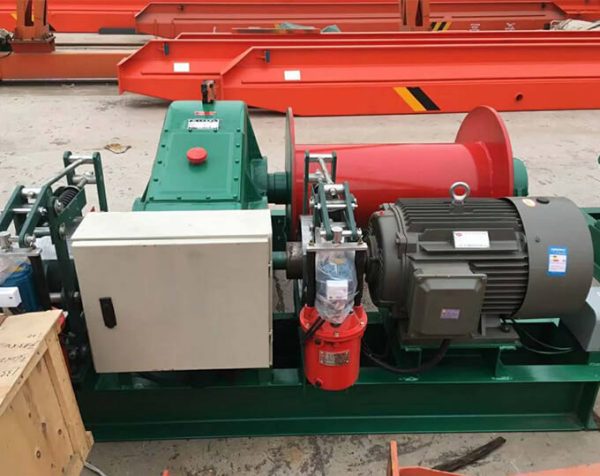
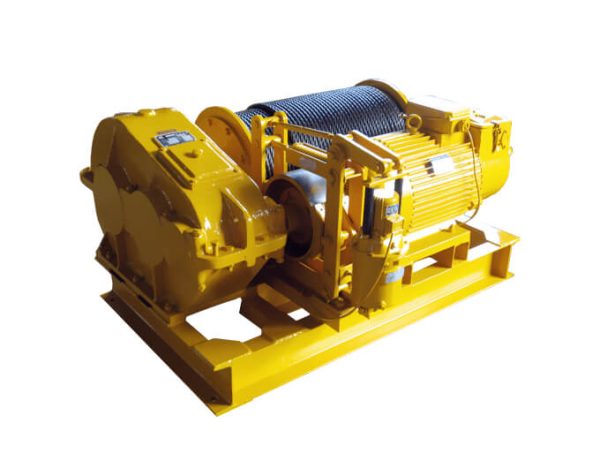
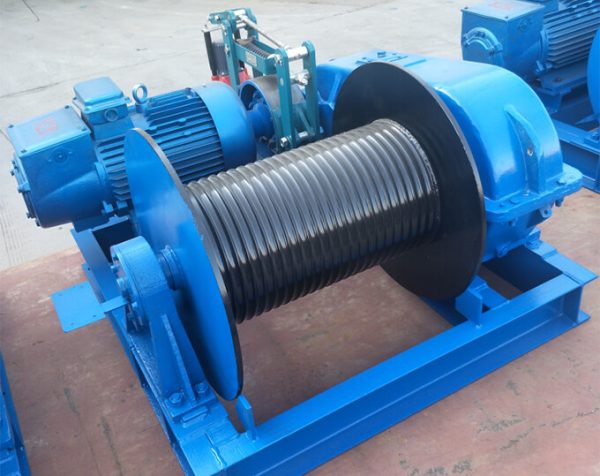
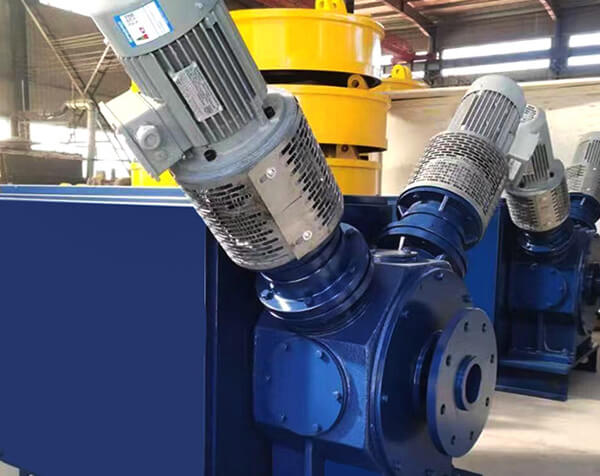
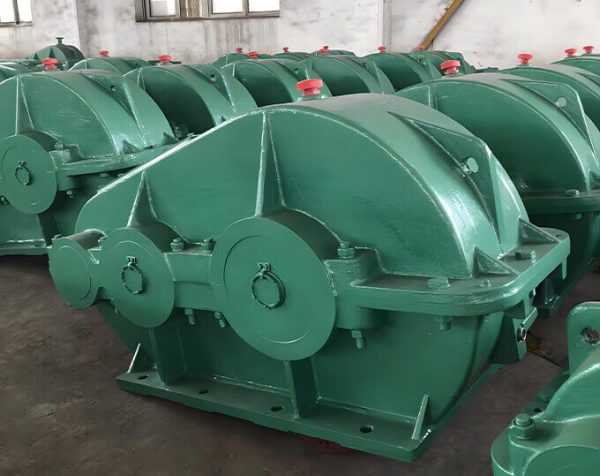
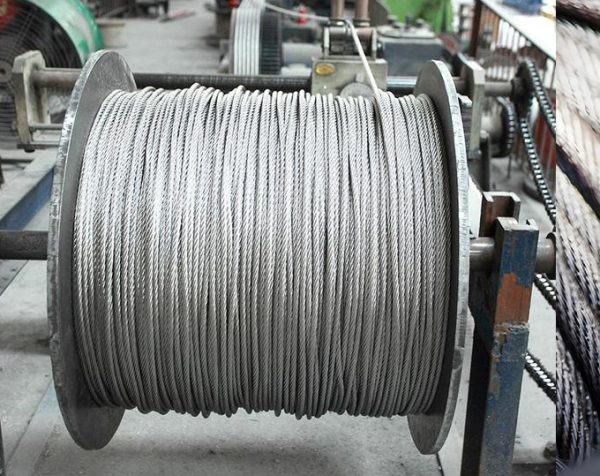
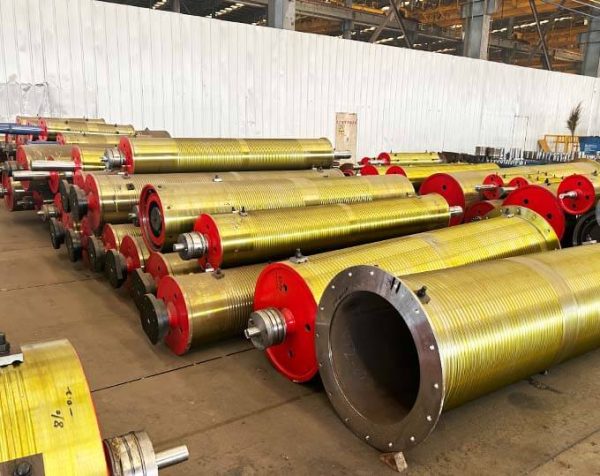
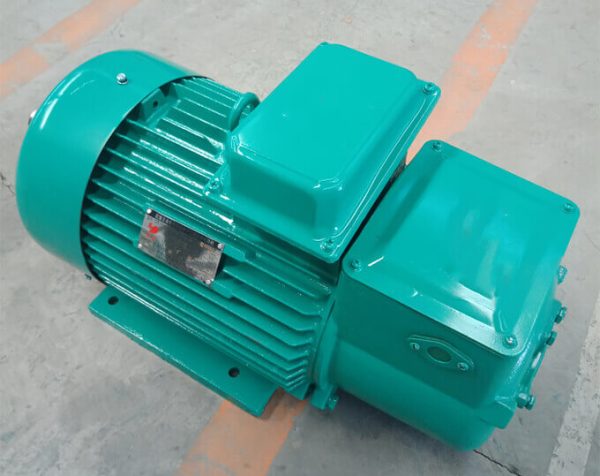
Composed of motors, reducers, wire ropes, and pulleys, this mechanism is responsible for lifting and lowering operations.
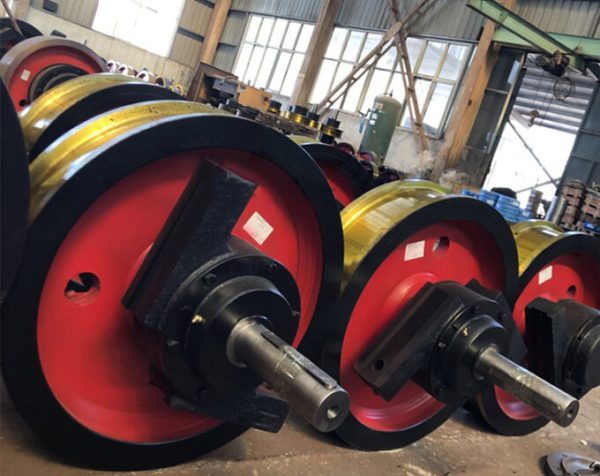
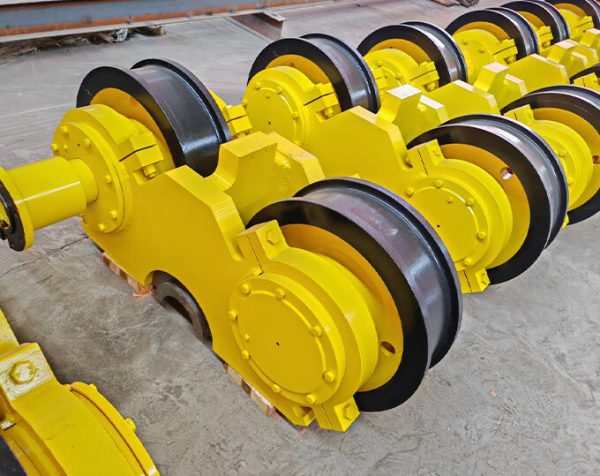
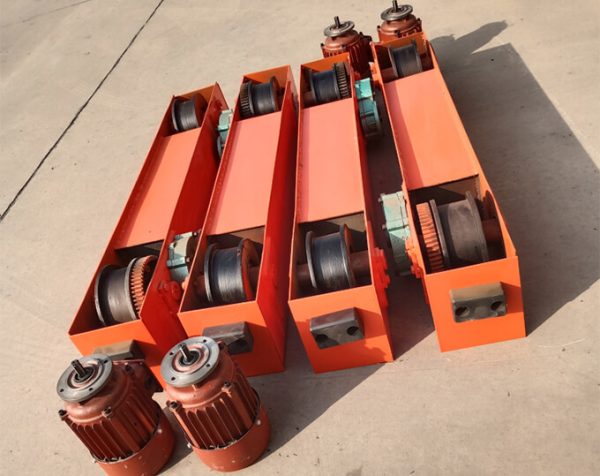
Traveling Mechanism
Consists of motors and tyres, allowing the crane to move horizontally.
Electrical Control System
Controls all crane operations, including lifting, traveling, and steering functions.
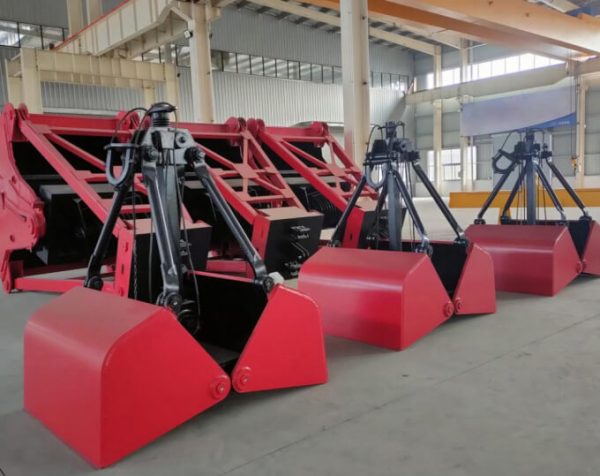
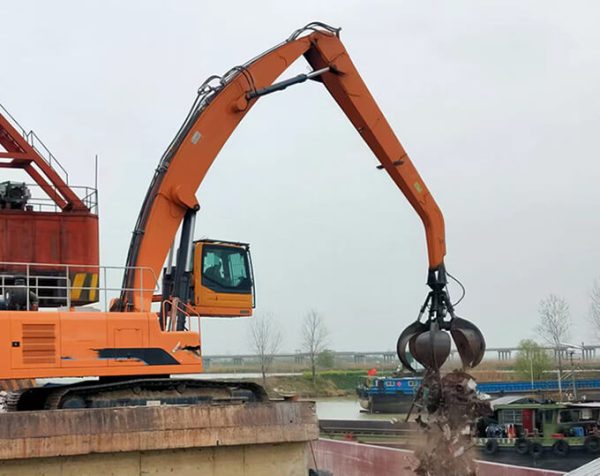
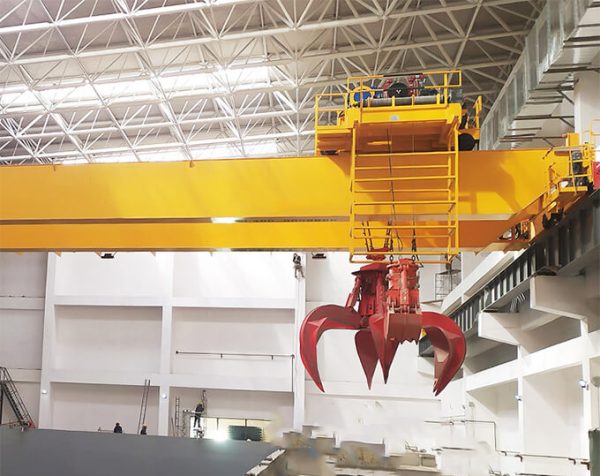
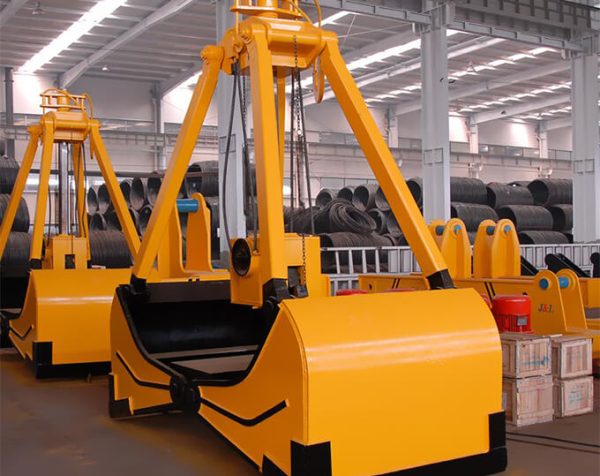
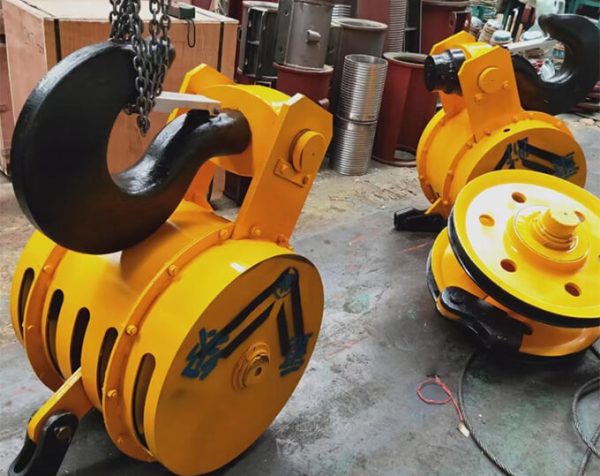
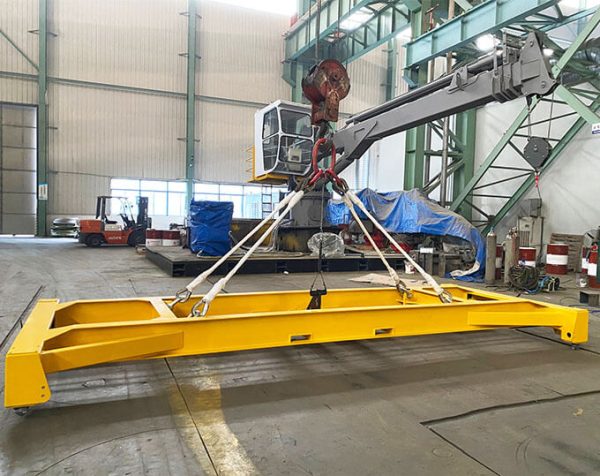
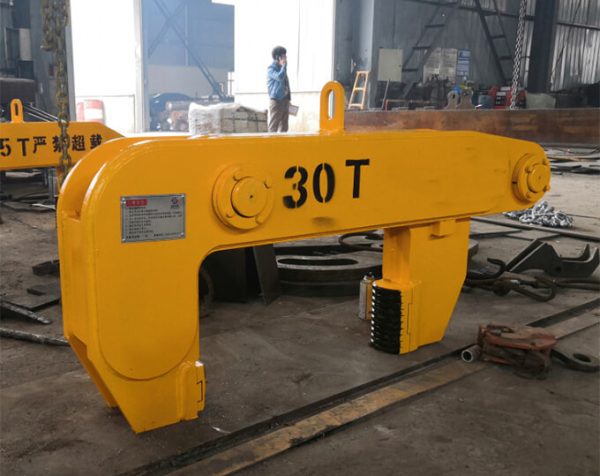
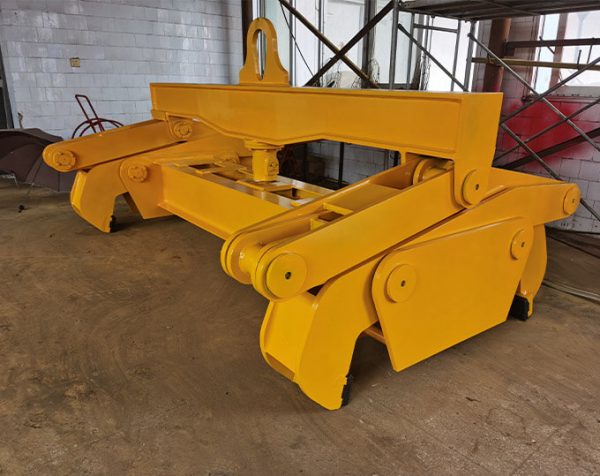
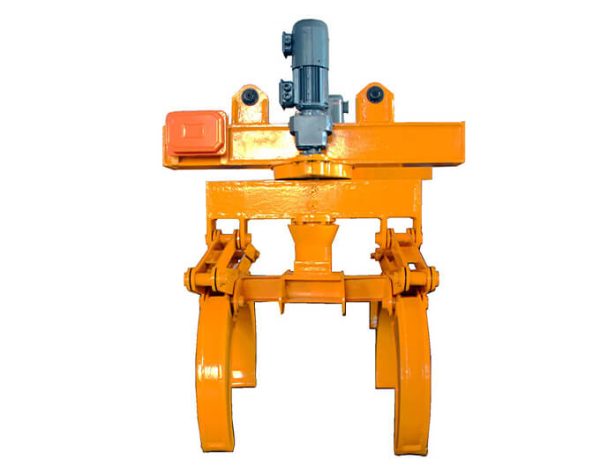
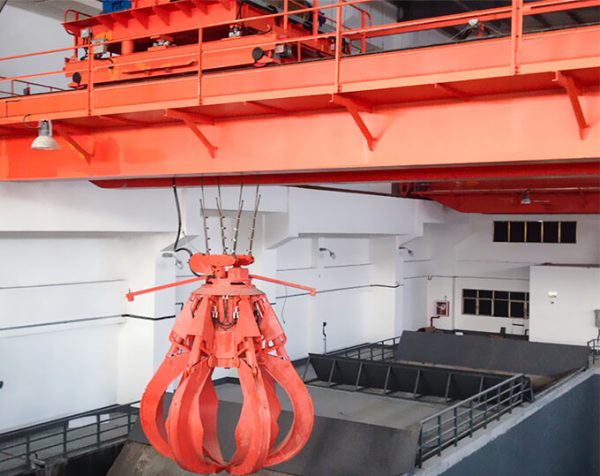
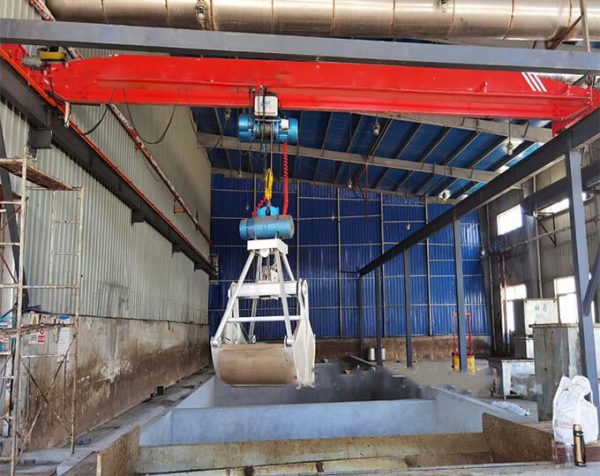
Hook or Grab Bucket
Used for lifting or grabbing materials. The hook is connected to the hoisting mechanism through wire ropes.
2. Working Principle
The working principle of a rubber tyred gantry crane mainly includes three aspects: lifting, traveling, and electrical control.
2.1 Hoisting Mechanism Working Principle
The hoisting mechanism is the core system for vertical lifting operations.
Motor Drive
The electric motor drives the hoisting drum through a reducer, causing the wire rope to wind or unwind.
Wire Rope and Pulley System
The wire rope passes through a pulley system connected to the hook. As the motor rotates, the wire rope moves upward or downward, enabling vertical movement of the hook.
Heavy Load Lifting
When the hoisting mechanism operates, the hook rises or descends, thereby lifting or lowering heavy objects.
2.2 Traveling Mechanism Working Principle
The traveling mechanism enables the RTG crane to move horizontally.
Tyre Drive
The crane is equipped with multiple rubber tyres distributed across the support legs. Motors drive the tyres to rotate, allowing the crane to travel on the ground.
Travel System Control
The traveling motors are controlled by the electrical system. Operators can control forward movement, reverse movement, and steering through the control panel.
Steering Control
The tyres generally feature steering capability, enabling flexible movement in different directions and precise positioning within the working area.
2.3 Electrical Control System
The electrical control system acts as the “brain” of the rubber tyred gantry crane and controls all operating mechanisms.
Main Electrical Control System
Controls lifting, traveling, start/stop functions, and speed adjustment.
Sensors and Limit Switches
Monitor operational safety conditions and prevent overload, over-travel, and other dangerous situations.
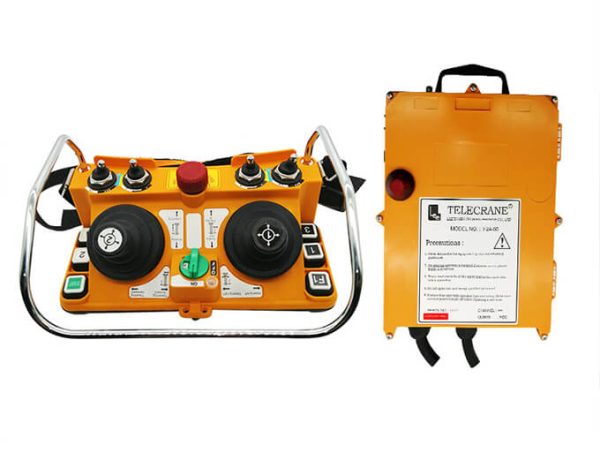
Remote Control and Operation Panel
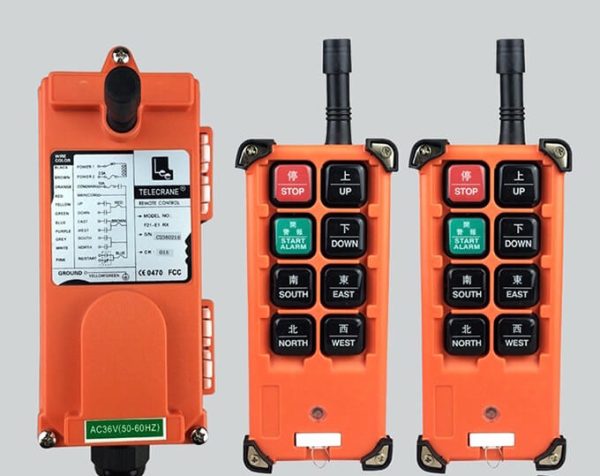
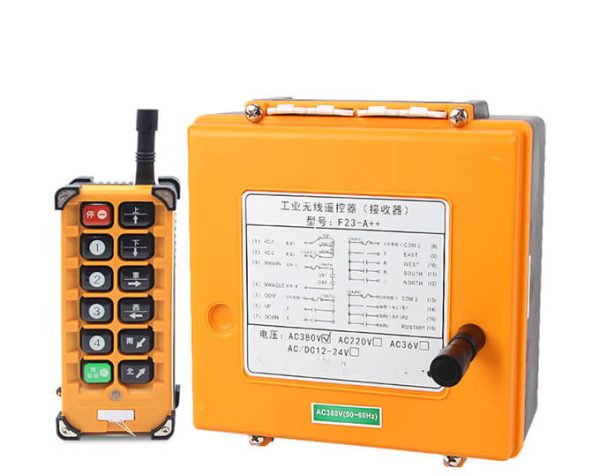
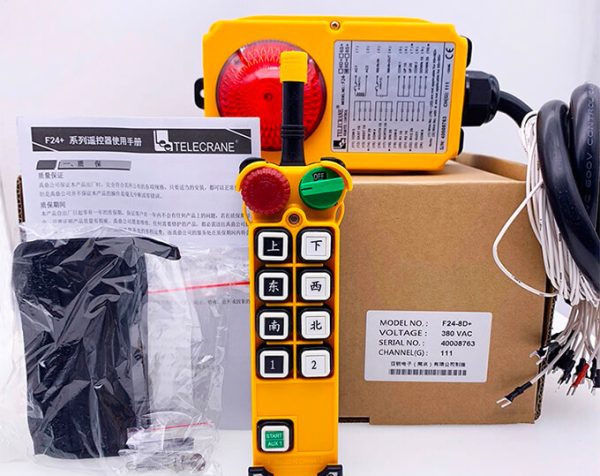
Operators can control the crane through a ground control panel or remote-control system for convenient operation.
3. Overall Working Process
The typical working process of a rubber tyred gantry crane is as follows:
- Positioning – The crane moves to the designated working area through the traveling mechanism.
- Lifting Preparation – The hoisting mechanism is adjusted, and the hook and wire ropes are prepared for operation.
- Lifting Operation – The hook is lowered above the object, and the hoisting mechanism lifts the load through motor-driven operation.
- Horizontal Movement – The crane transports the load to the designated location through the traveling mechanism.
- Load Placement – The load is lowered to the ground or target position to complete the lifting operation.
- Recovery – The hook and wire rope are retracted in preparation for the next lifting cycle.
4. Advantages and Features
High Flexibility
Equipped with rubber tyres, the RTG crane can quickly move between different working locations and adapt to various environments.
No Rail Requirement
Unlike rail-mounted gantry cranes, rubber tyred gantry cranes do not require dedicated tracks, reducing installation and maintenance costs.
Wide Application Range
Suitable for heavy equipment handling, cargo loading and unloading, and material stacking, especially in ports and construction sites.
Easy Operation
The electrical control system supports remote operation, simplifying operation and reducing manual workload.
5. Application Scenarios
Port Operations
Used for container handling and stacking, enabling efficient cargo transfer.
Construction Sites
Used for lifting and transporting construction materials, especially in areas without fixed rails.
Heavy Industry
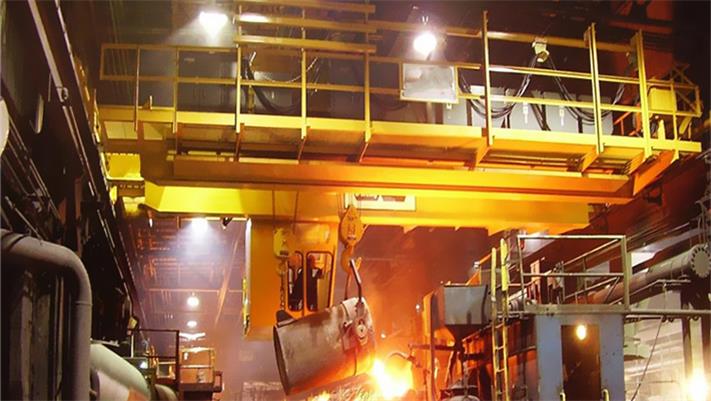
Applied in steel plants, machinery factories, and other heavy industries for equipment handling and material storage.
Logistics Centers
Used for cargo transportation, stacking, and sorting operations.
Conclusion
A rubber tyred gantry crane is a highly mobile and flexible lifting solution capable of traveling freely on the ground through tyre-driven movement. It is widely used in ports, construction sites, logistics centers, and industrial facilities.
Its working principle relies on the coordinated operation of the hoisting mechanism, traveling mechanism, and electrical control system. Through the cooperation of motors, wire ropes, pulleys, and control systems, the crane can efficiently and safely perform lifting, transportation, and material handling tasks.





-600x476.jpg)