Introduction
Brazil is one of the most important industrial and infrastructure markets in South America, with strong demand in ports, mining, steel production, and logistics industries.
However, entering the Brazilian market requires more than just selecting standard lifting equipment. Factors such as local regulations, humid coastal environments, and heavy industrial workloads must be carefully considered.
This guide explains how to select the right crane for Brazil and how to evaluate suppliers capable of supporting long-term industrial operations in this market.
1. Key Challenges in the Brazilian Crane Market
1.1 High Humidity and Coastal Corrosion
Many industrial projects in Brazil are located near:
- Coastal ports (Santos, Rio de Janeiro)
- Offshore logistics hubs
- Tropical industrial zones
Challenges include:
- High humidity corrosion
- Salt spray damage
- Faster wear of steel structures and electrical components
Without proper anti-corrosion treatment, crane lifespan can be significantly reduced.
1.2 Heavy Industrial Demand
Brazil has strong demand in:
- Mining industry (iron ore transport)
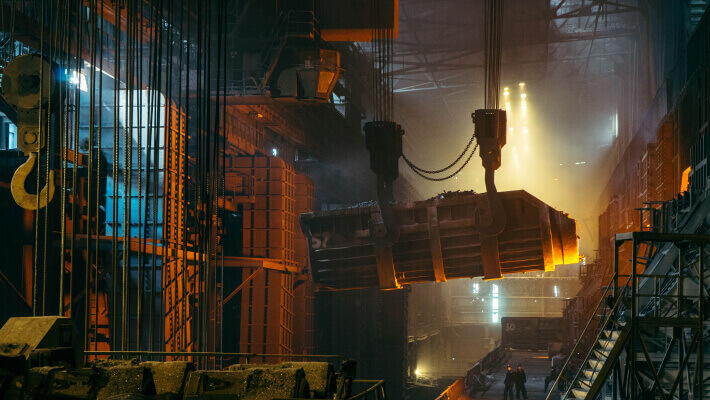
- Steel plants
- Port container handling
- Large infrastructure construction
These industries require:
- High lifting capacity
- Continuous operation capability
- Stable performance under heavy-duty cycles
1.3 Infrastructure and Logistics Conditions
Some project sites face:
- Long transportation distances
- Limited maintenance access in remote areas
- High downtime cost in mining regions
Therefore, reliability and service support are critical.
1.4 Certification and Compliance Requirements
To operate in Brazil, equipment may need to comply with:
NR-12 Safety Standard
This includes:
- Mechanical safety protection
- Operator safety systems
- Electrical safety compliance
- Documentation in Portuguese
2. Common Crane Types Used in Brazil
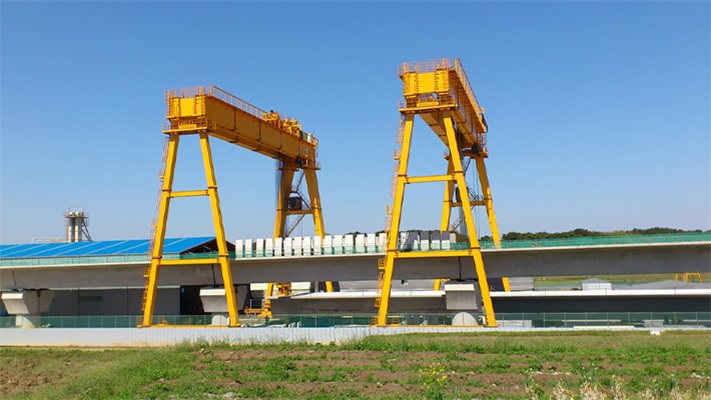
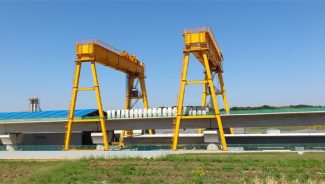
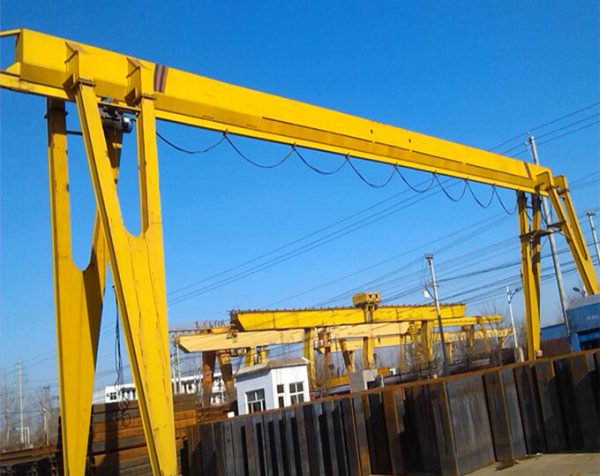
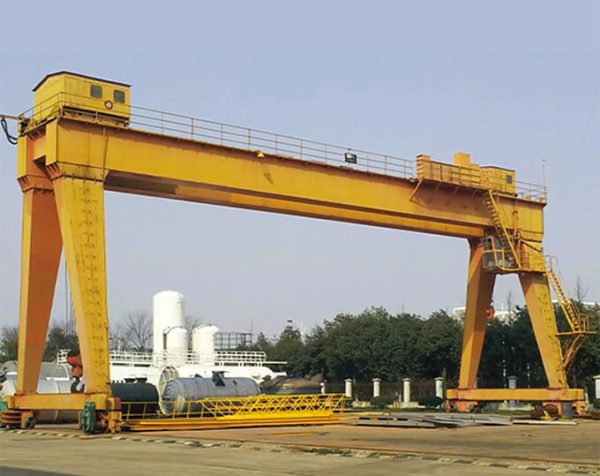
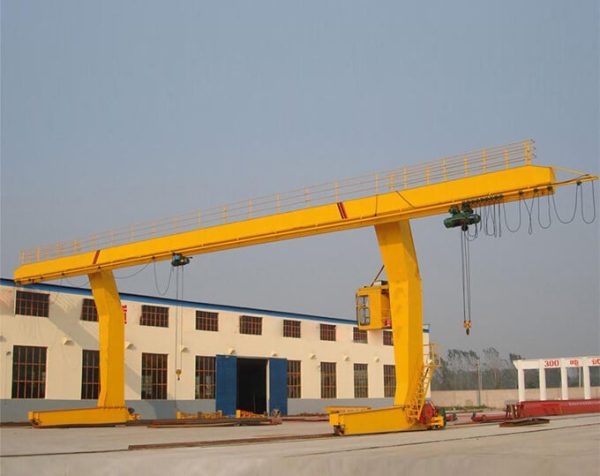
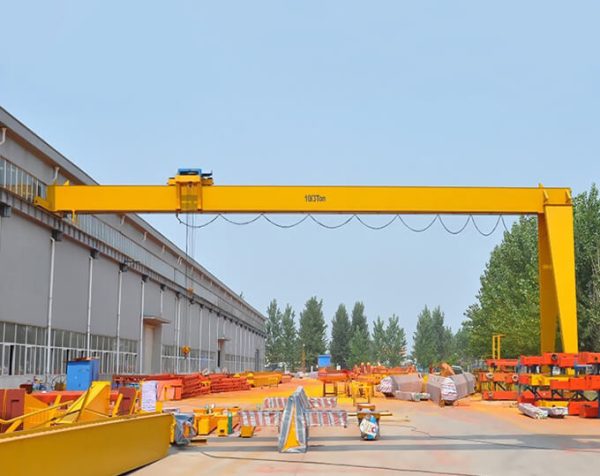
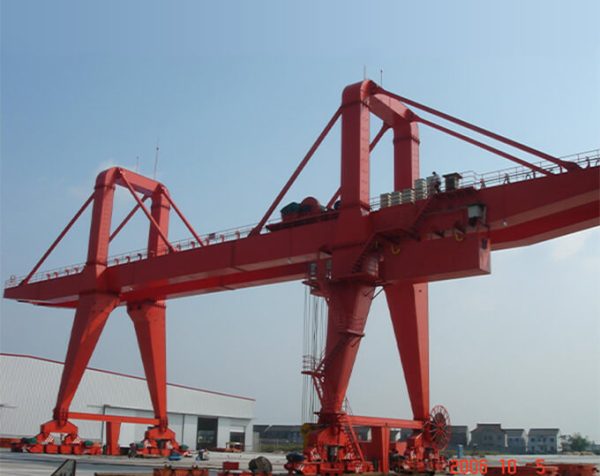
2.1 Gantry Cranes (Port & Yard Use)
Widely used in:
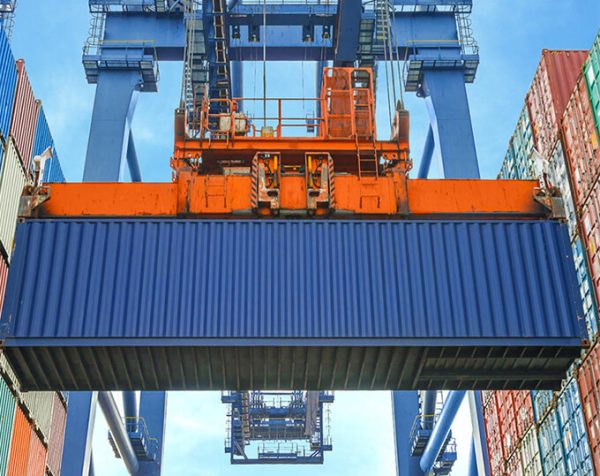
- Container terminals
- Steel yards
- Logistics centers
Advantages:
- Large span coverage
- Flexible outdoor operation
- High efficiency in material handling
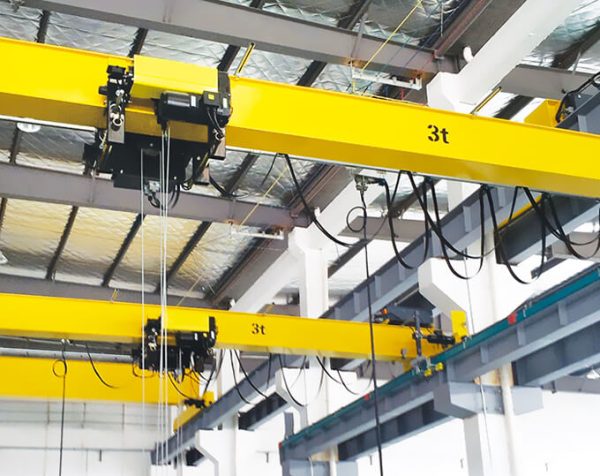
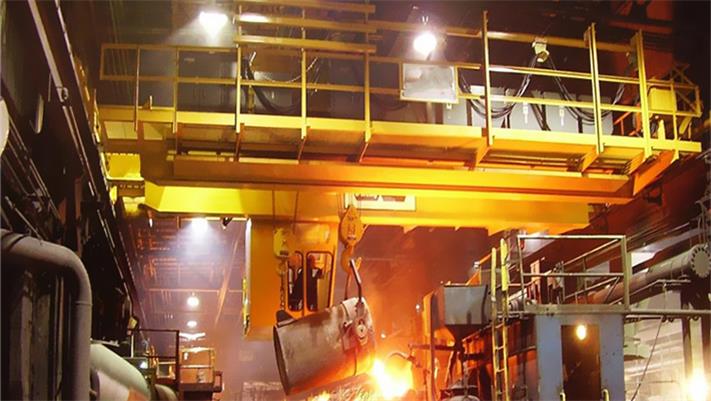
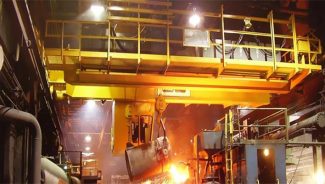
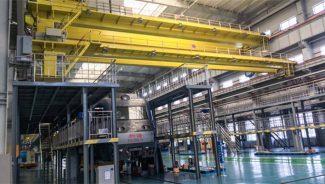
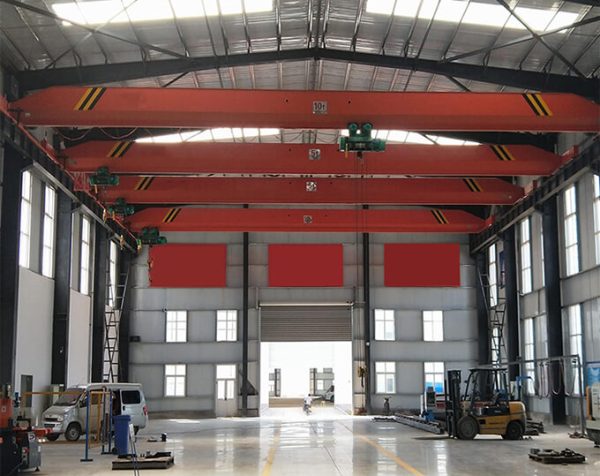
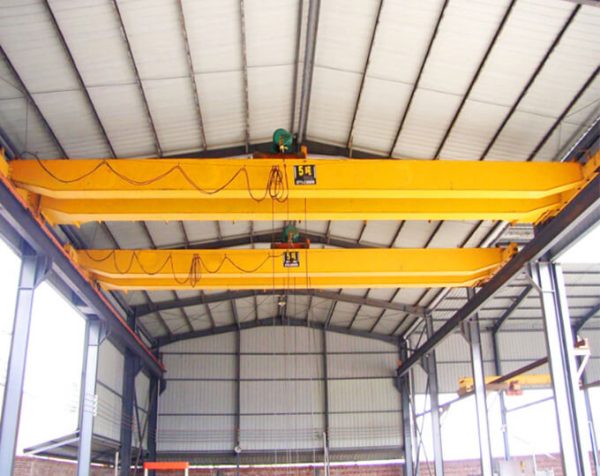
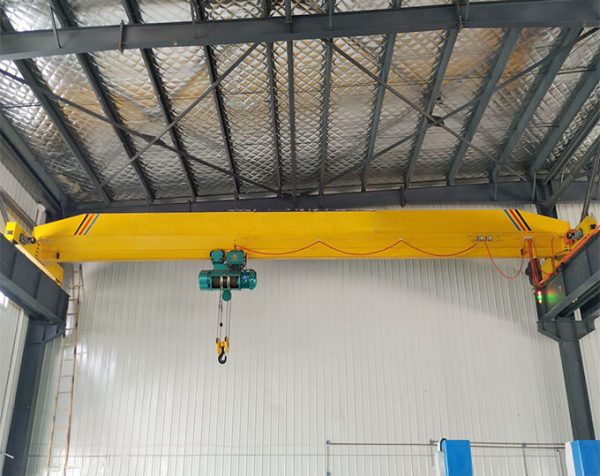
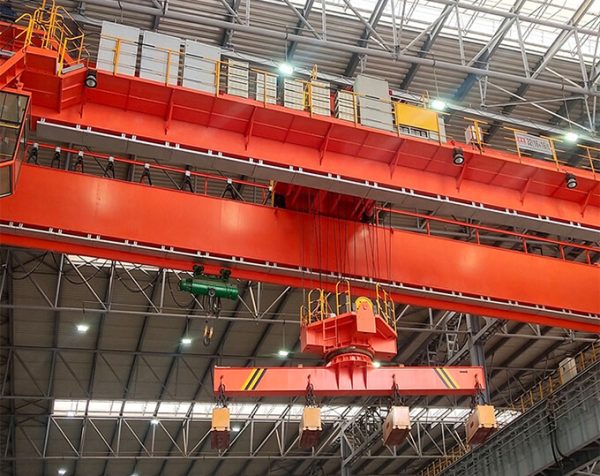
2.2 Overhead Cranes (Factories & Steel Plants)
Used in:
- Steel production plants
- Manufacturing workshops
Advantages:
- High stability
- Indoor precision lifting
- Efficient workflow integration
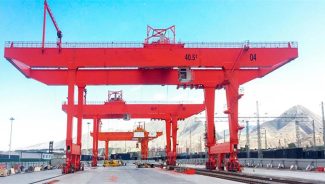
2.3 RTG Cranes (Container Handling)
Rubber Tyred Gantry cranes are commonly used in port logistics.
Advantages:
- No rail installation required
- Flexible movement
- Suitable for medium-size ports
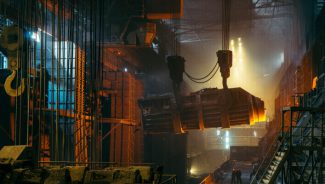
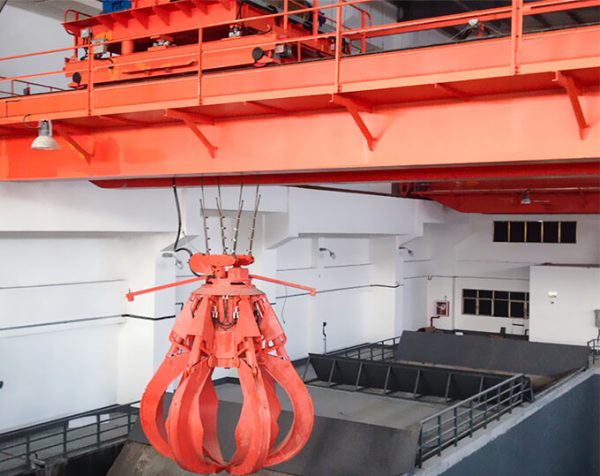
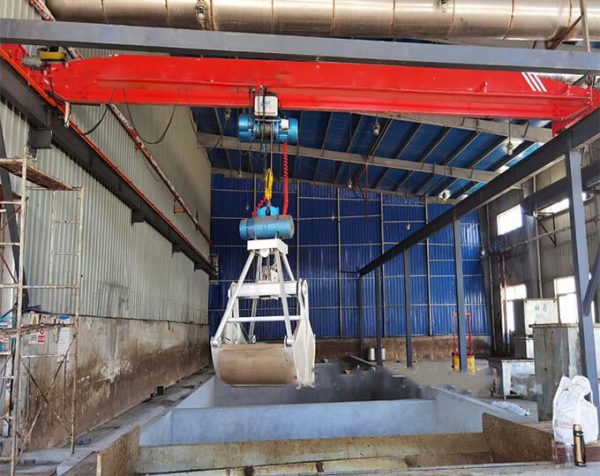
2.4 Mining Heavy-Duty Cranes
Used in:
- Iron ore extraction sites
- Heavy material transport systems
Key requirements:
- High load capacity
- Strong structural reinforcement
- Dust and corrosion resistance
3. How to Select the Right Crane Supplier for Brazil
3.1 Corrosion Protection Capability
A qualified supplier should provide:
- Marine-grade anti-corrosion coating
- Stainless steel or reinforced steel options
- Electrical system sealing for humidity protection
This is critical for coastal operations.
3.2 Heavy-Duty Engineering Design
Important evaluation factors:
- Duty class (A5–A8 recommended for heavy industry)
- Continuous operation capability
- Structural fatigue resistance
Brazilian mining and port operations require long-hour working performance.
3.3 Local Service and Spare Parts Support
Key considerations:
- Spare parts availability in South America
- Fast maintenance response capability
- Remote technical support
In mining and port projects, downtime can lead to significant financial loss.
3.4 Industry Experience
Strong suppliers should have experience in:
- Mining projects
- Port container terminals
- Steel manufacturing plants
- Infrastructure construction
Real project experience is a key indicator of reliability.
3.5 Total Cost of Ownership (TCO)
When evaluating cranes, consider:
- Maintenance cost in humid environments
- Corrosion protection lifecycle
- Energy consumption
- Downtime risk in remote areas
Long-term cost is more important than initial purchase price.
4. Why KECRANE is a Strong Partner for Brazil Projects
4.1 Engineering Adaptation for Tropical Climate
KECRANE provides cranes designed for:
- High humidity environments
- Coastal corrosion resistance
- Long-term outdoor operation stability
This ensures reliable performance in Brazilian industrial conditions.
4.2 Customized Heavy-Duty Solutions
We offer cranes suitable for:
- Mining operations
- Port container handling
- Steel plant production lines
Each solution is designed based on:
- Load requirements
- Working environment
- Operation frequency
4.3 Efficient Spare Parts and Service Support
We support clients with:
- Fast spare parts supply system
- Remote technical assistance
- Preventive maintenance planning
This helps reduce downtime risks in large-scale industrial projects.
4.4 Proven Industrial Applications
KECRANE cranes are widely applied in:
- Mining regions in South America
- Port logistics operations
- Heavy industrial manufacturing plants
These applications require high reliability and long service life.
Conclusion
Selecting a crane for the Brazilian market requires careful consideration of corrosion resistance, heavy-duty performance, and long-term operational cost.
A reliable supplier should provide:
- Tropical environment engineering adaptation
- Strong industrial application experience
- Spare parts and service support capability
- Compliance with local safety standards
If you are planning a project in Brazil, choosing the right crane partner will directly impact operational efficiency and long-term profitability.




-600x476.jpg)