Home / News / Heavy Duty Transfer Cart vs Overhead Crane: How to Choose the Best Material Handling Solution for Industrial Factories
Heavy Duty Transfer Cart vs Overhead Crane: How to Choose the Best Material Handling Solution for Industrial Factories
By weikexiwen ·
08
07
,
2026
Share this:
Meta Description
Compare heavy duty transfer carts and overhead cranes for industrial factories. Learn how infrastructure cost, flexibility, automation, and application requirements affect the best material handling solution.
Target Keywords
Primary Keywords:
heavy duty transfer cart
overhead crane
industrial material handling equipment
factory material handling system
Secondary Keywords:
transfer cart vs overhead crane
heavy load transportation equipment
automated material handling system
industrial factory expansion solution
AGV transfer cart
Heavy Duty Transfer Cart vs Overhead Crane: How to Choose the Best Material Handling Solution for Industrial Factories
Introduction
When planning a new industrial factory or upgrading an existing production facility, one of the most important decisions is selecting the right heavy material handling system.
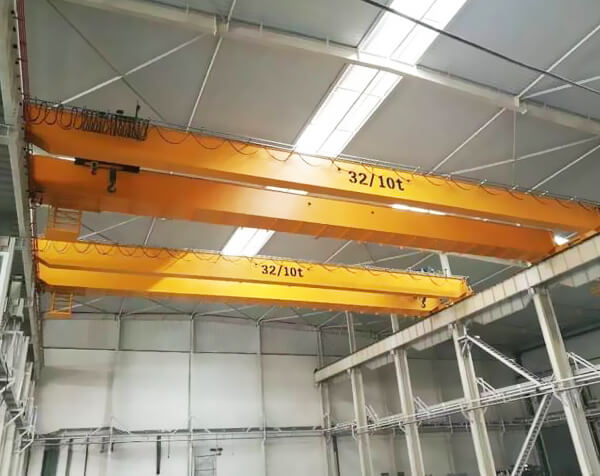
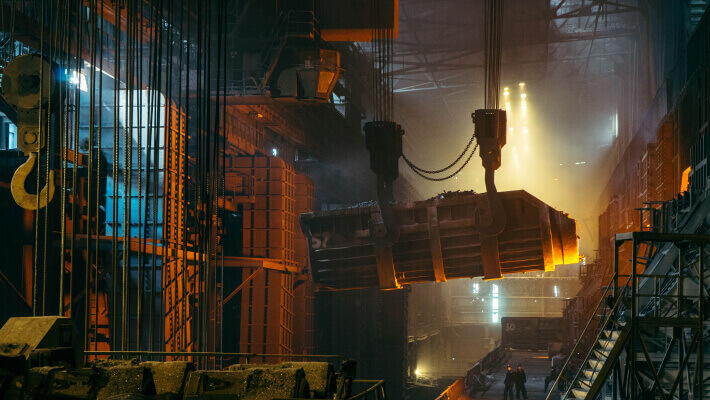
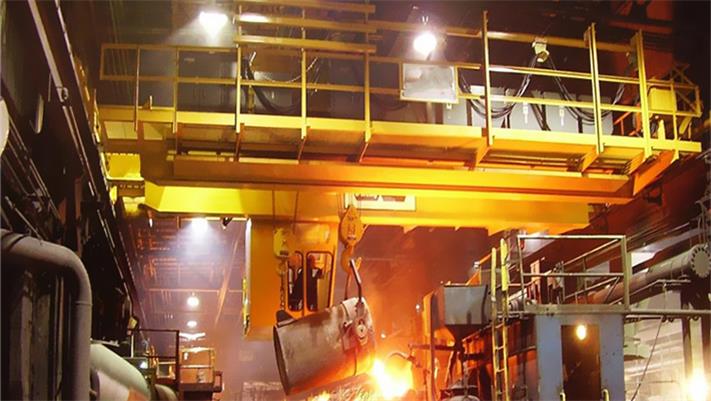
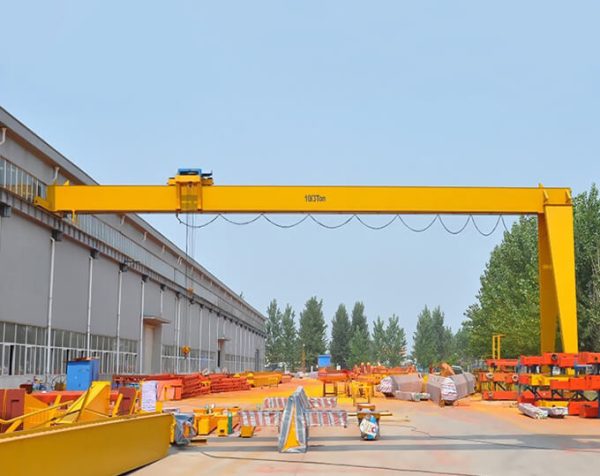
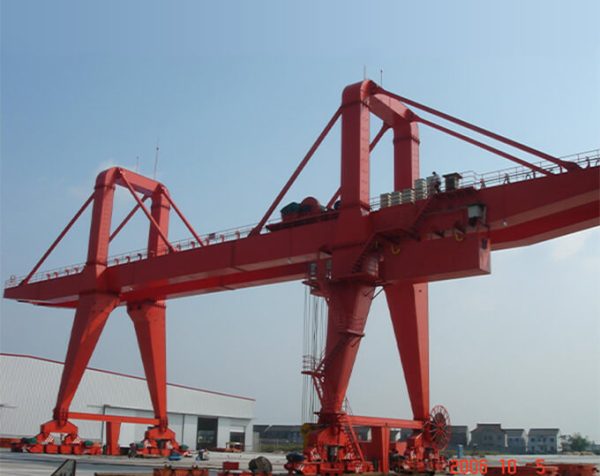
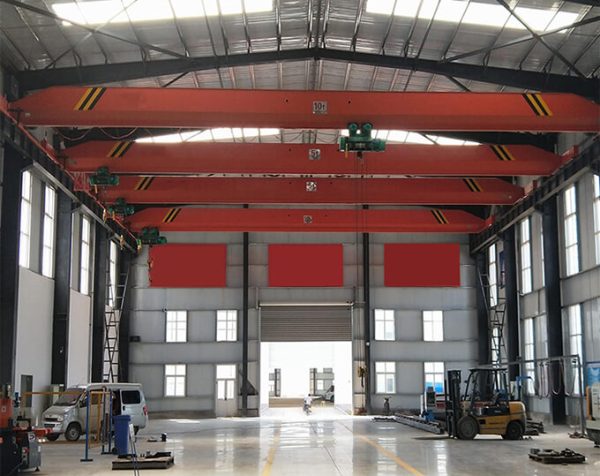
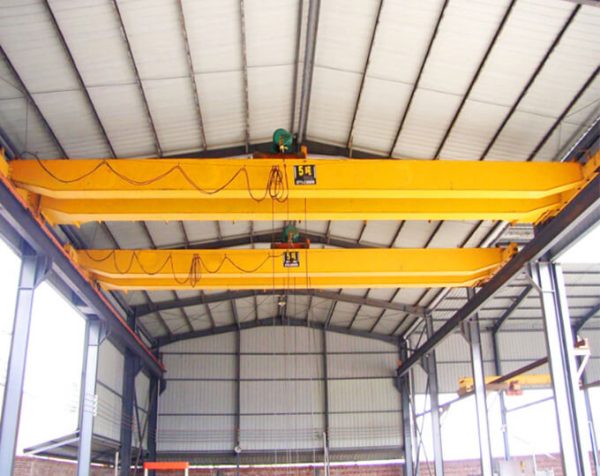
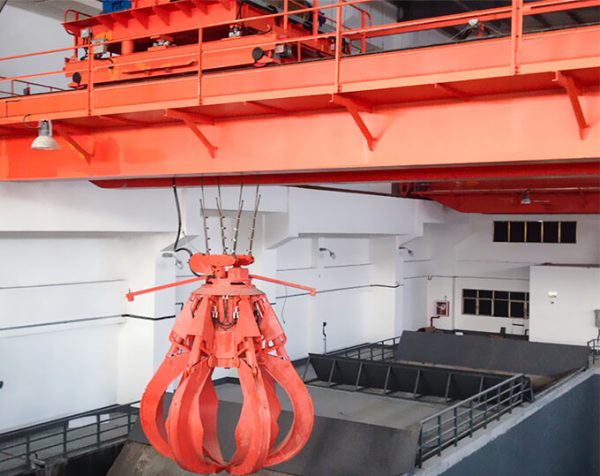
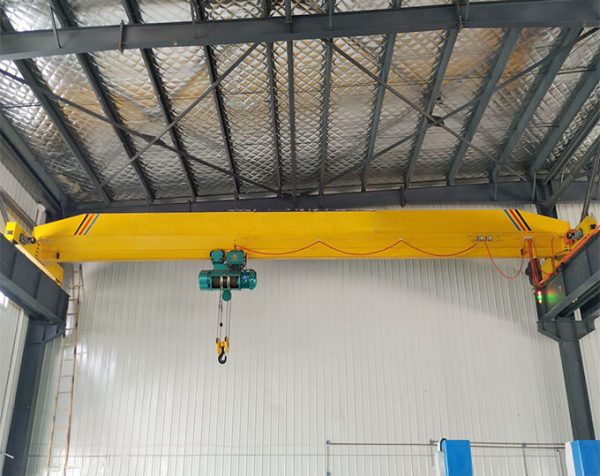
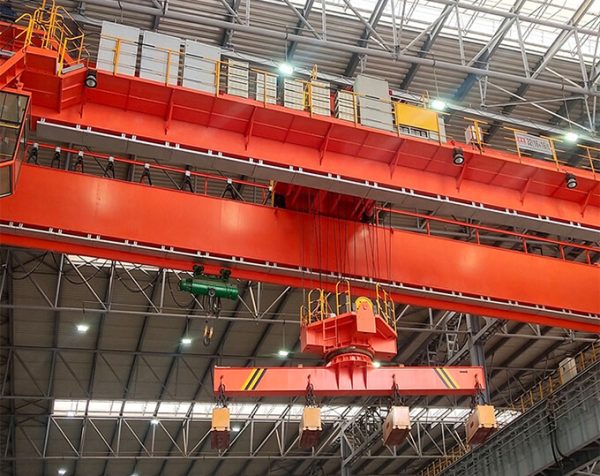
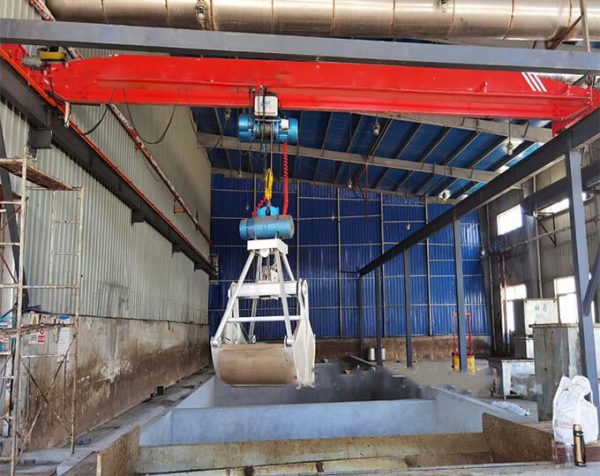
For industries such as steel manufacturing, shipbuilding, machinery production, and large equipment assembly, companies traditionally rely on overhead cranes (bridge cranes) for lifting and transportation.
However, with the development of smart manufacturing and automated logistics systems, heavy duty transfer carts, rail transfer carts, and AGV-based transportation solutions are becoming increasingly popular.
The key question is:
Should modern factories continue investing in traditional overhead cranes, or can heavy duty transfer carts provide a more flexible and cost-effective alternative?
The answer depends on several factors, including infrastructure cost, factory layout, transportation distance, automation requirements, and production processes.
1. Infrastructure Cost Comparison: Overhead Crane vs Transfer Cart
The Hidden Construction Cost of Overhead Cranes
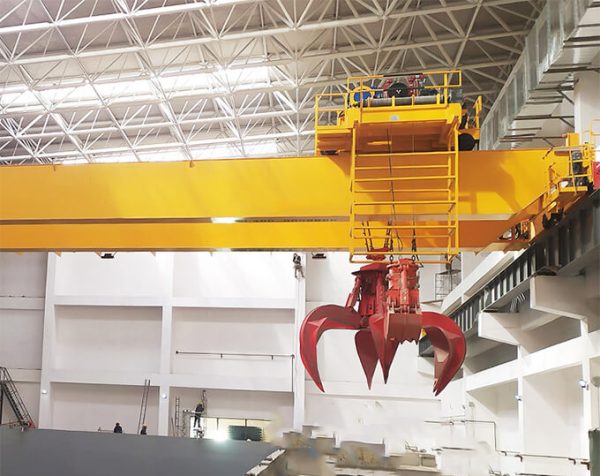
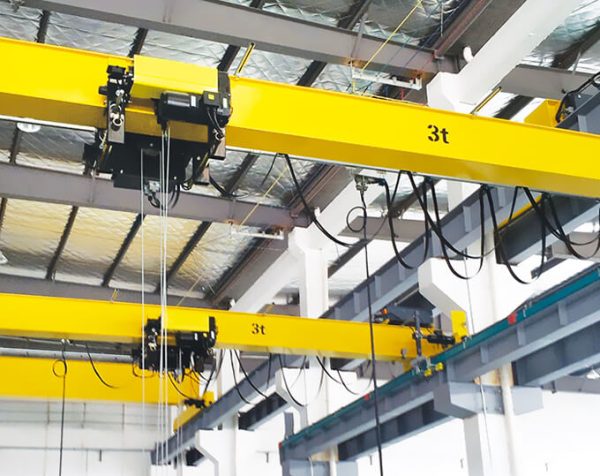
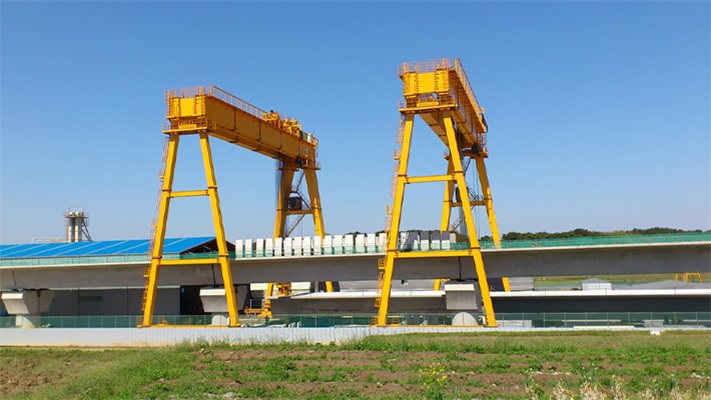
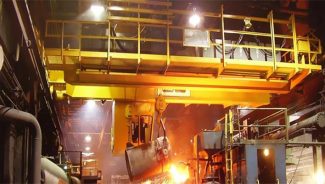
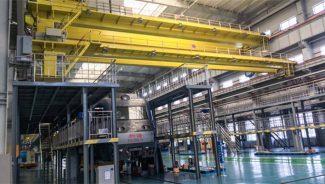
An overhead crane uses the upper structure of a factory to perform lifting operations. Although it saves floor space, it requires strong building support.
For high-capacity cranes, especially 50-ton, 100-ton, or heavier systems, factories usually need:
Reinforced columns
Crane runway beams
Strong steel structures
Higher workshop clearance
Additional foundation reinforcement
These requirements significantly increase factory construction costs.
For new industrial plants, the crane supporting structure can become a considerable part of the total investment.
Why Heavy Duty Transfer Carts Reduce Building Requirements
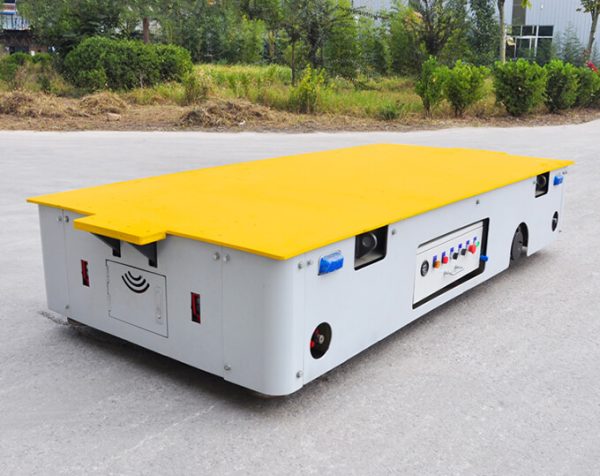
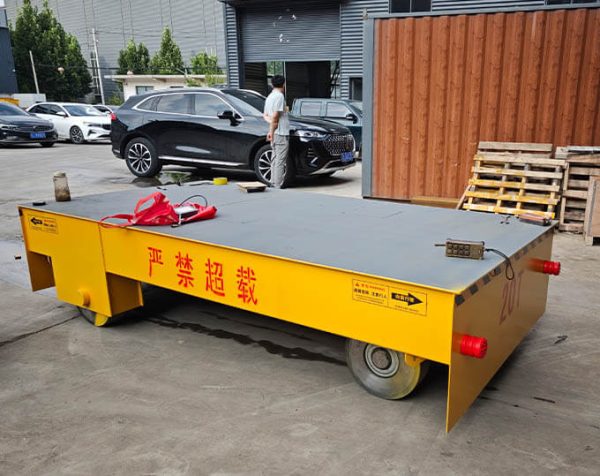
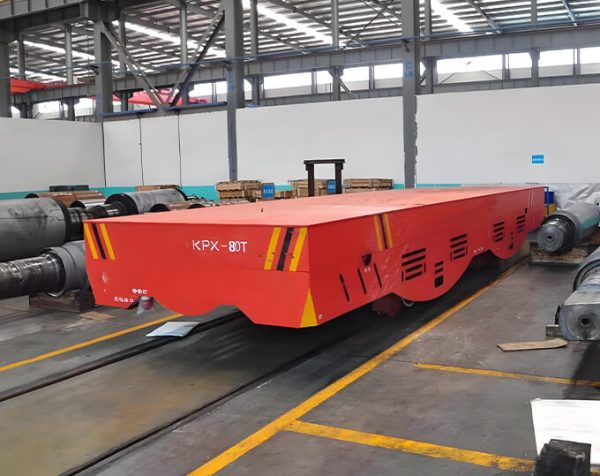
A heavy duty transfer cart uses the factory floor as the load-bearing foundation.
Unlike overhead cranes, transfer carts do not require:
Crane rails
Roof reinforcement
High-strength supporting columns
The factory mainly needs:
Reinforced concrete flooring
Proper transportation routes
Safety operation areas
For many industrial projects, especially those requiring long-distance transportation between workshops, the total construction investment can be lower compared with installing a high-tonnage overhead crane system.
2. Space Utilization and Production Flexibility
Advantages of Overhead Cranes
Overhead cranes provide excellent vertical space utilization.
They are ideal when:
Heavy lifting is required at fixed locations
Floor space is limited
Materials need to be lifted vertically frequently
Common applications include:
Steel plants
Foundries
Machine workshops
Shipyards
Advantages of Heavy Duty Transfer Carts
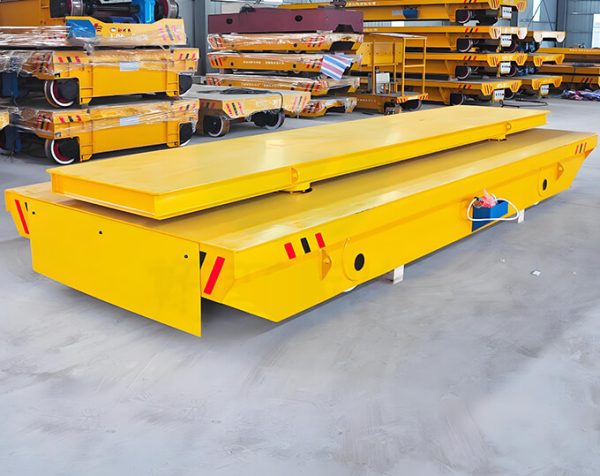
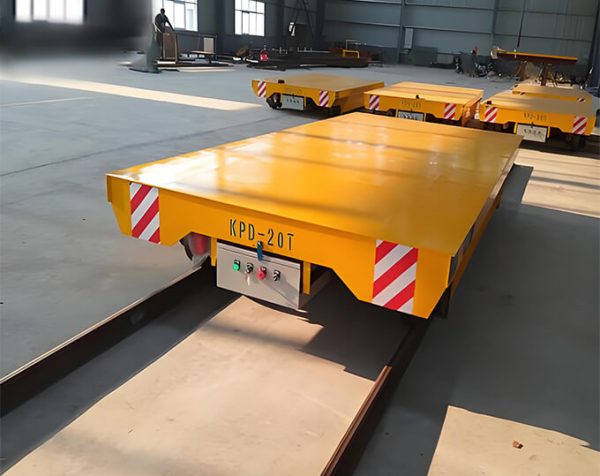
Transfer carts provide greater flexibility for horizontal transportation.
They can move:
Large steel structures
Heavy machine parts
Production equipment
Finished products
between different production areas.
Compared with fixed crane rails, transfer carts can easily support:
Cross-workshop transportation
Flexible production layouts
Future factory expansion
3. Automation Capability Comparison
Modern manufacturing is moving toward Industry 4.0.
Overhead Crane Automation
Automated overhead cranes can achieve:
Automatic positioning
Remote control
Intelligent lifting
However, many lifting operations still require safety monitoring and precise positioning.
Transfer Cart and AGV Automation
Heavy duty transfer carts can easily integrate:
Laser navigation systems
Automatic obstacle avoidance
Warehouse management systems
Production scheduling software
This makes them highly suitable for smart factories.
Comparison Table: Overhead Crane vs Heavy Duty Transfer Cart
Factor
Overhead Crane
Heavy Duty Transfer Cart
Main Function
Vertical lifting and short-distance transportation
Horizontal heavy load transportation
Infrastructure Cost
Higher due to building reinforcement
Lower, mainly requiring floor reinforcement
Floor Space
Saves ground space
Requires transportation routes
Mobility
Limited by crane runway
Flexible movement between areas
Automation
Possible but more complex
Easy integration with AGV systems
Best Application
Fixed lifting points
Long-distance material transportation
4. How to Choose the Right Solution?
There is no universal replacement between overhead cranes and transfer carts.
The correct choice depends on the factory operation requirements.
Choose an Overhead Crane When:
Heavy loads must be lifted vertically
Production areas are fixed
Floor space is limited
Frequent lifting operations are required
Choose a Heavy Duty Transfer Cart When:
Long-distance transportation is required
Materials need to move between workshops
Factory layout changes frequently
Automated transportation is preferred
5. Application Industries
Heavy duty transfer carts and overhead cranes are widely used in:
Steel Manufacturing
Transportation of steel coils, plates, and heavy components.
Shipbuilding Industry
Movement of large ship sections and fabricated structures.
Machinery Manufacturing
Transportation of molds, machine parts, and equipment.
Automotive Manufacturing
Automated movement of production components.
Aerospace Manufacturing
Precision transportation of large assemblies.
Conclusion
The future of industrial material handling will not rely on only one technology.
Instead, modern factories are increasingly combining:
Overhead cranes for heavy lifting
Heavy duty transfer carts for flexible transportation
AGV systems for intelligent production logistics
For new factory construction and expansion projects, heavy duty transfer carts provide an attractive alternative when companies need lower infrastructure costs, flexible transportation, and higher automation capability.
Choosing the right material handling system requires a complete evaluation of load capacity, production workflow, factory structure, and future development plans.
Frequently Asked Questions (FAQ)
1. Can a transfer cart replace an overhead crane?
Yes, in many applications. Heavy duty transfer carts can replace overhead cranes when the main requirement is horizontal transportation of heavy loads between production areas. However, overhead cranes remain better for frequent vertical lifting operations.
2. Which is cheaper: an overhead crane or a transfer cart?
For new factories, transfer carts may reduce construction costs because they require fewer building modifications. However, the final investment depends on load capacity, transportation distance, and automation requirements.
3. What industries use heavy duty transfer carts?
Heavy duty transfer carts are widely used in steel plants, shipyards, machinery factories, foundries, automotive plants, and heavy equipment manufacturing facilities.
4. Are transfer carts suitable for automated factories?
Yes. Modern battery-powered transfer carts and AGV transfer systems can integrate navigation, sensors, and factory management software for automated material transportation.




-600x476.jpg)