Introduction
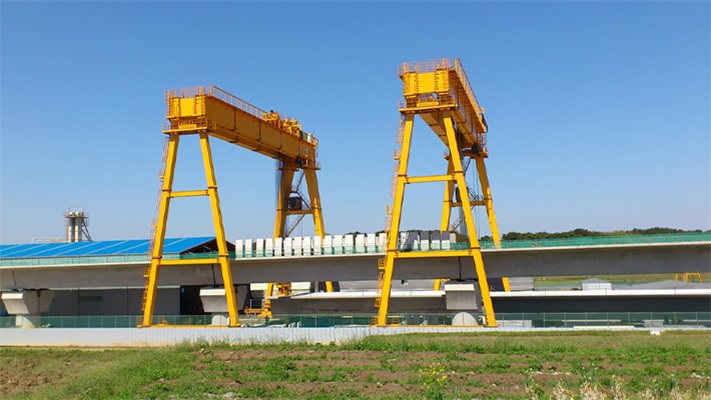
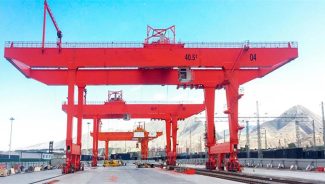
A Rubber Tyred Gantry (RTG) Crane, also called a tyre-mounted gantry crane or mobile gantry crane, is a flexible lifting solution widely used in ports, container terminals, construction sites, heavy industries, and logistics centers.
Unlike traditional rail-mounted cranes, an RTG crane moves on rubber tyres, providing high mobility and adaptability to multiple work areas. Its operation depends on the integrated function of mechanical, hydraulic, and electrical control systems. Understanding its structure and working principle is essential for selecting the right equipment for heavy-duty operations.
1. Main Structure Components of an RTG Crane
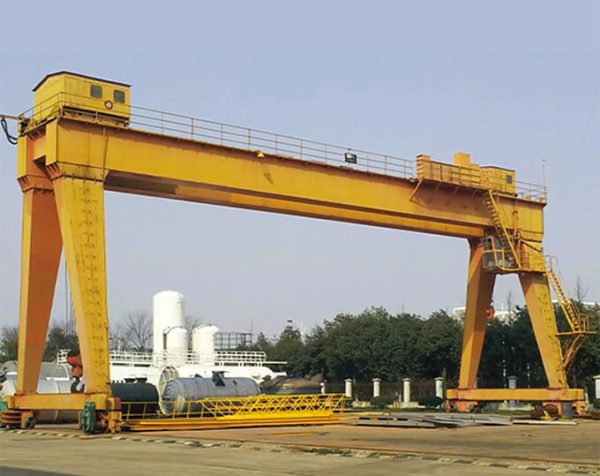
1.1 Main Girder
- The primary structural element carrying the load.
- Constructed from high-strength steel for excellent durability and stability.
- Supports the hoisting mechanism and distributes weight evenly across the support legs.
1.2 Support Legs with Tyres
- Vertical legs fitted with heavy-duty rubber tyres.
- Enable the crane to move freely between different areas.
- Provide stability during lifting operations, even under full load.
1.3 Hoisting Mechanism
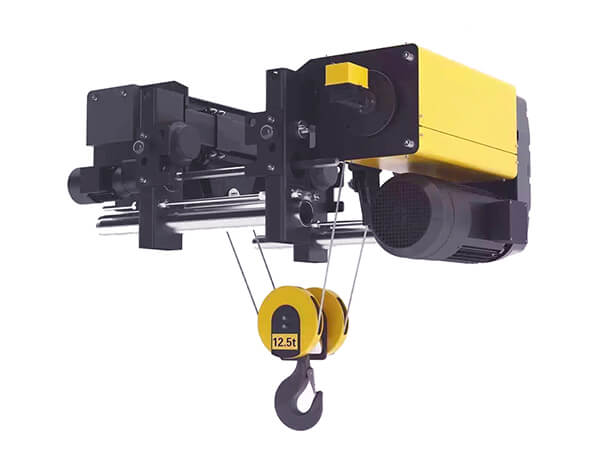
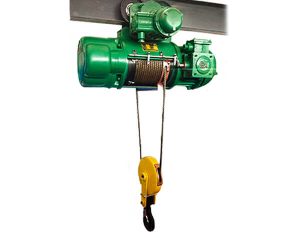
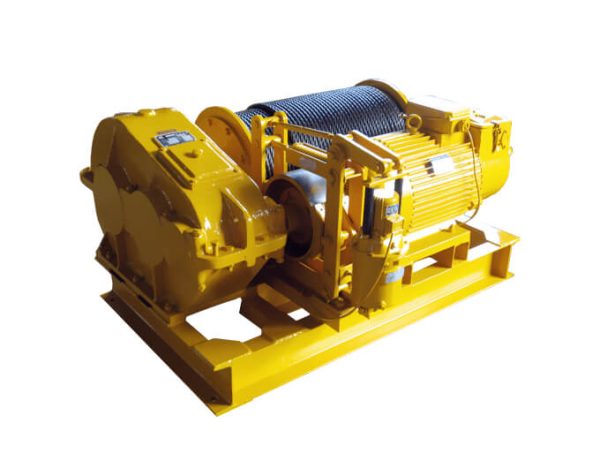
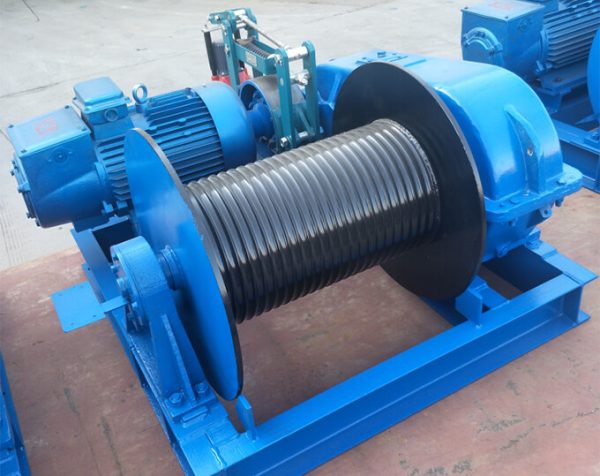
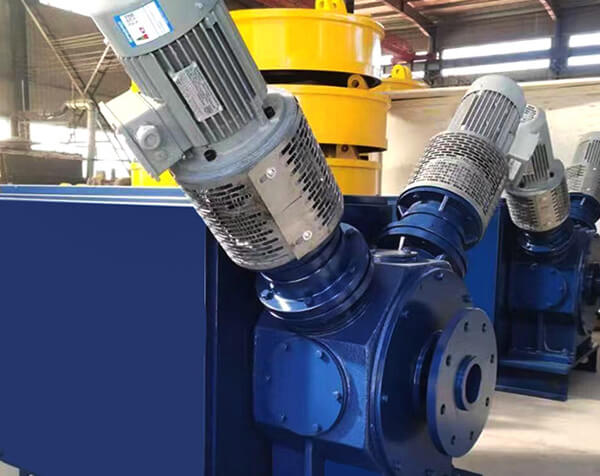
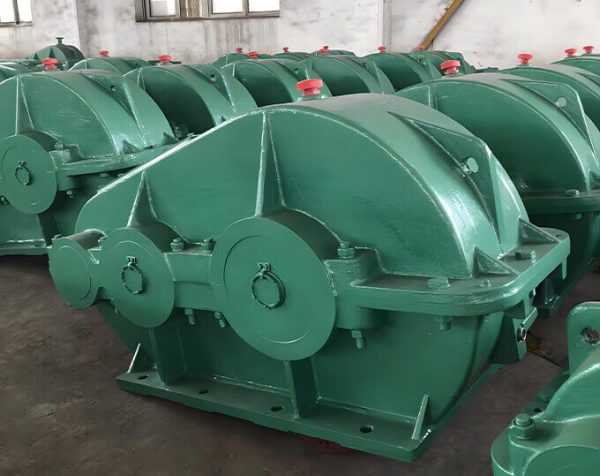
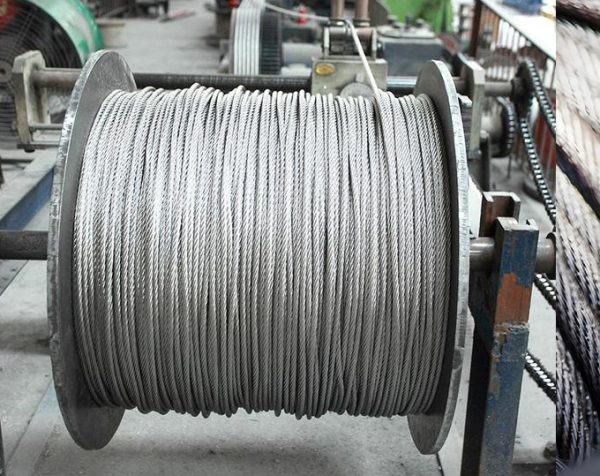
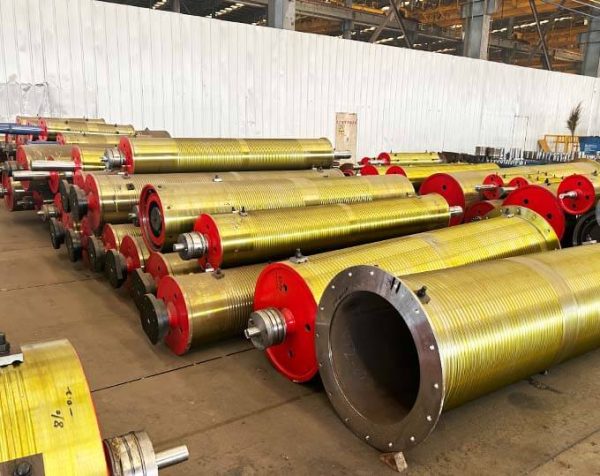
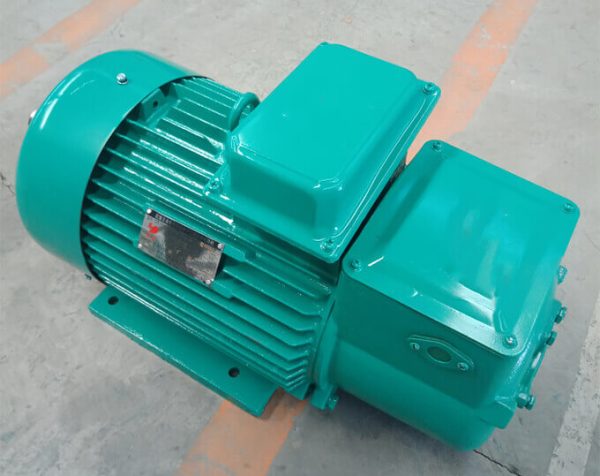
- Includes motors, reducers, wire ropes, and pulleys.
- Responsible for vertical lifting and lowering of materials.
- Can handle loads ranging from a few tons to over 100 tons, depending on model specifications.
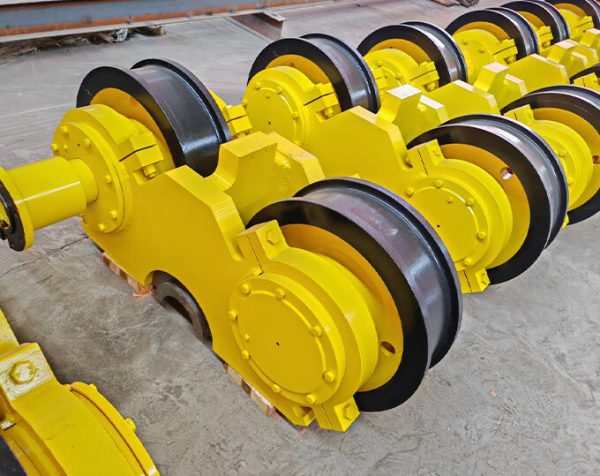
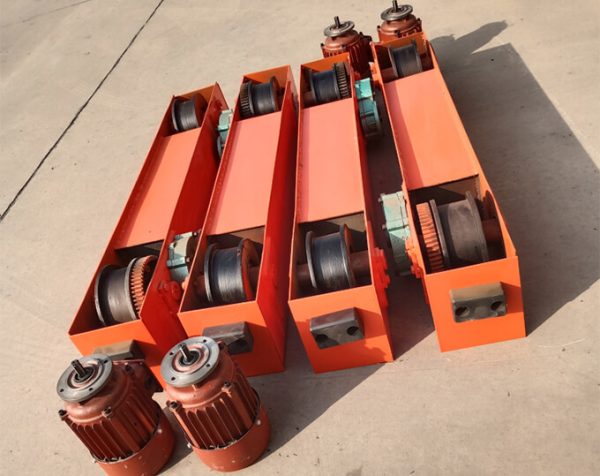
1.4 Traveling Mechanism
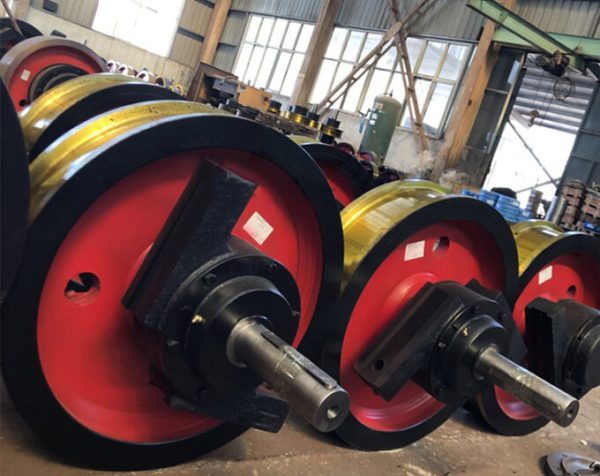
- Comprises motors connected to the tyres.
- Allows smooth horizontal movement across the working area.
- Controlled via the electrical system for precise positioning.
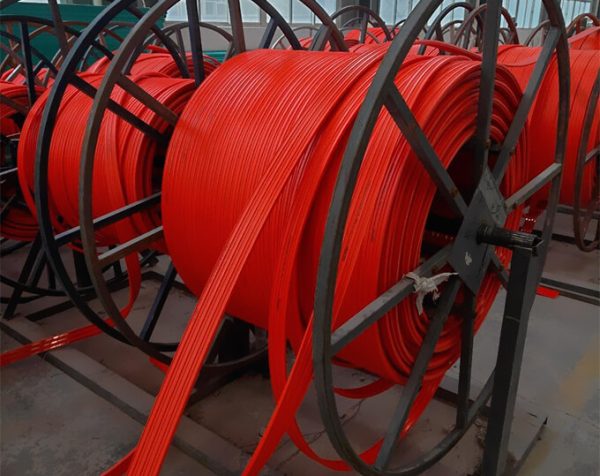
1.5 Electrical Control System
- Acts as the “brain” of the crane.
- Manages lifting, traveling, steering, and safety systems.
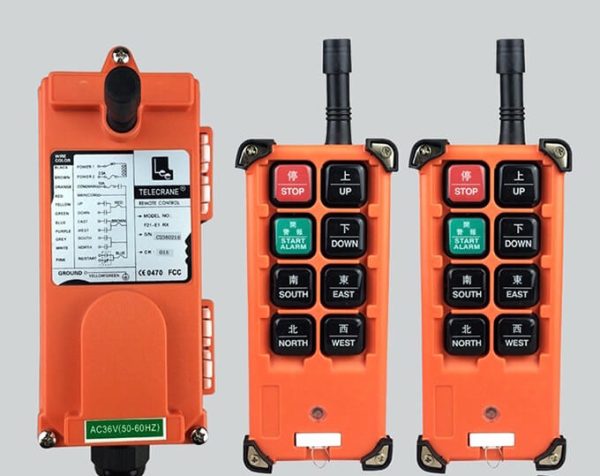
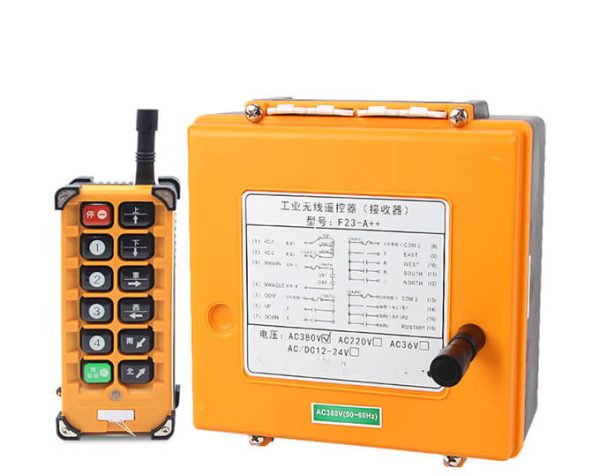
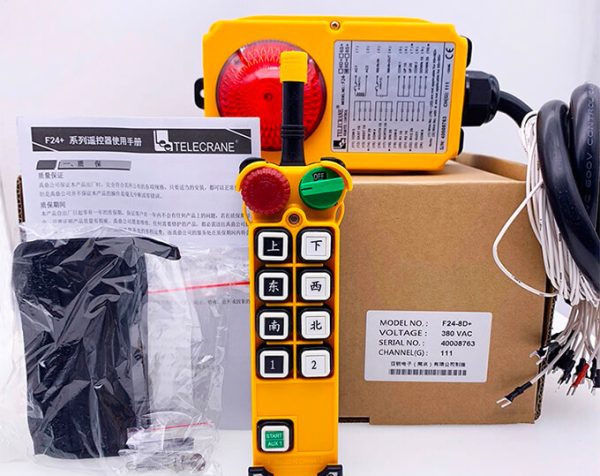
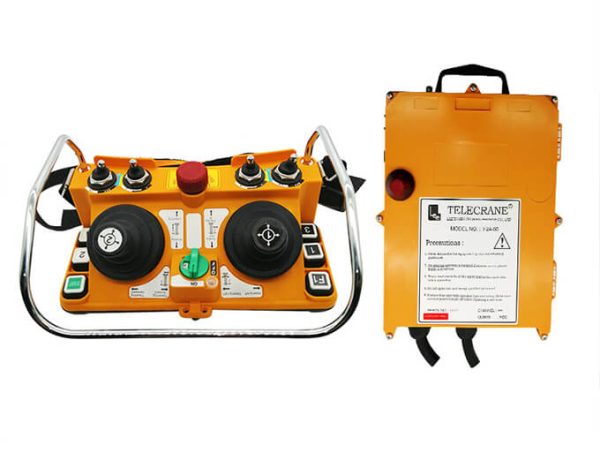
- Supports remote operation for improved efficiency.
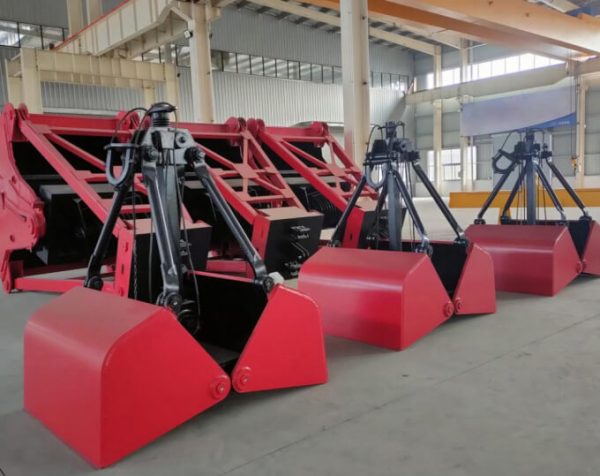
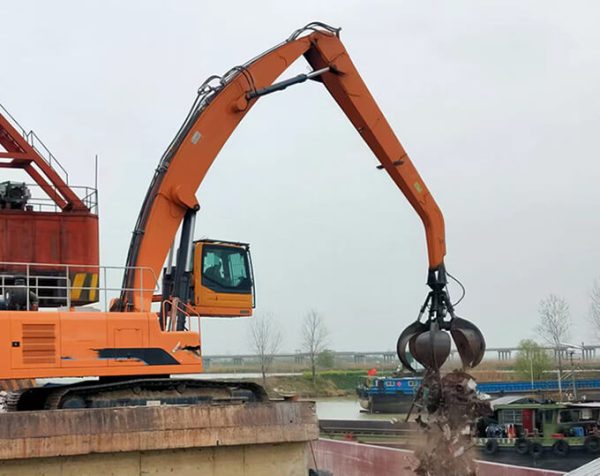
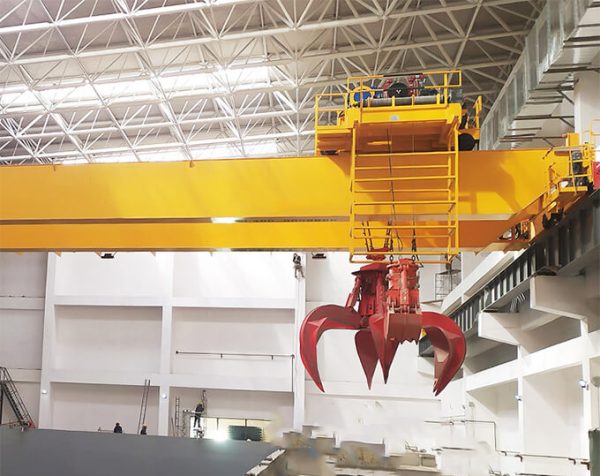
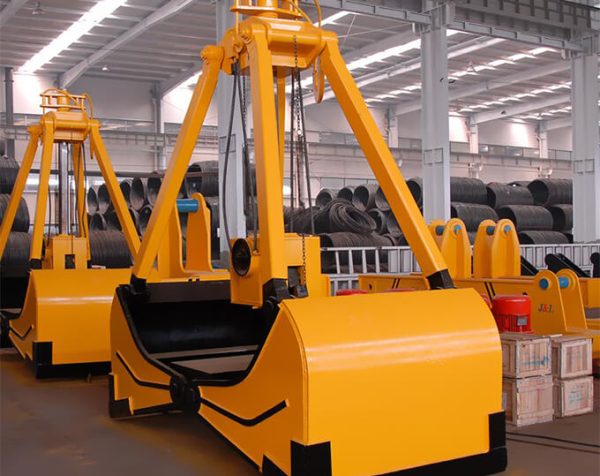
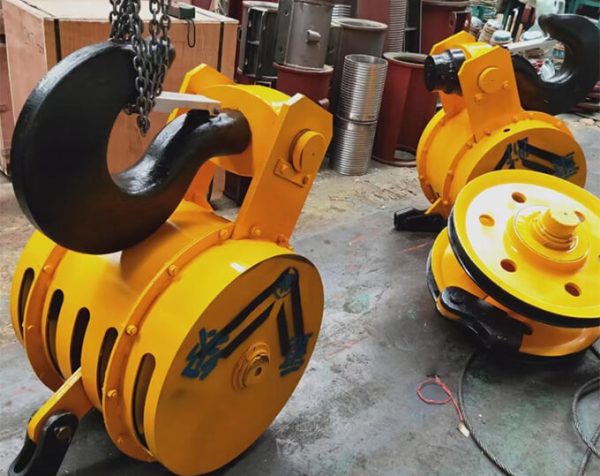
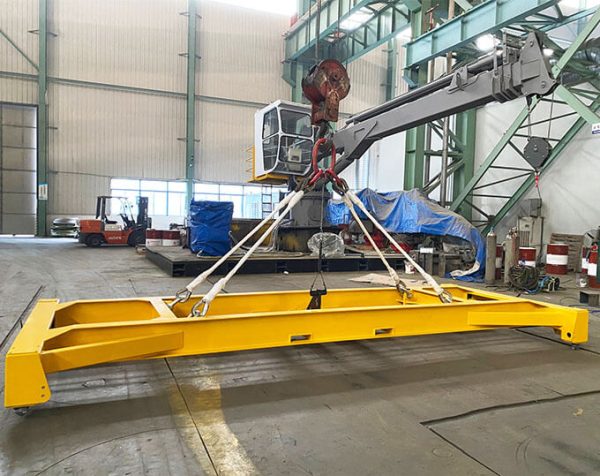
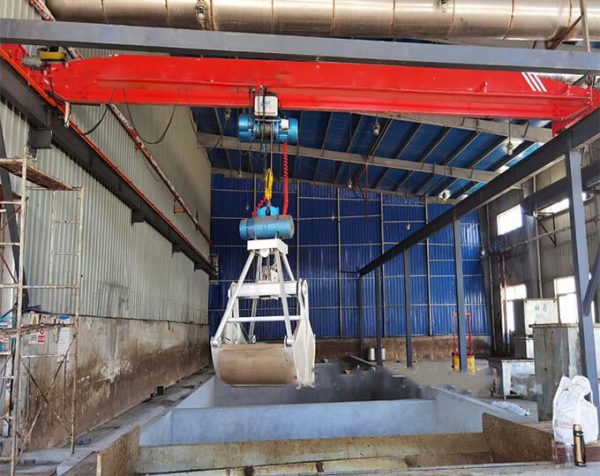
1.6 Hook or Grab Bucket
- The interface for lifting or handling materials.
- Connected to the hoisting mechanism through wire ropes.
- Can be customized for specific cargo types, such as containers or heavy equipment.
2. Working Principle of an RTG Crane
2.1 Hoisting Mechanism
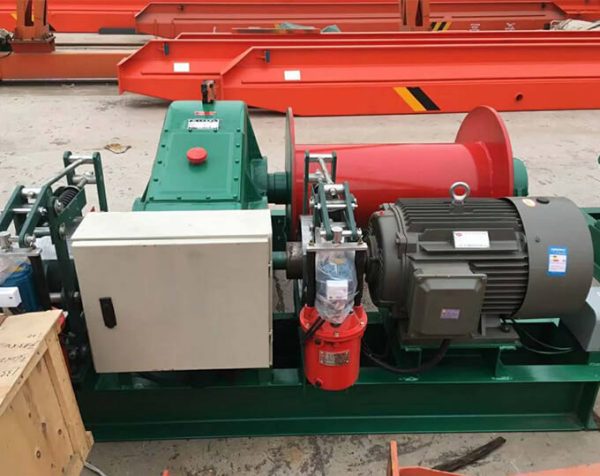
- Motor Drive: Electric motors turn the hoisting drum via a reducer, winding or unwinding wire ropes.
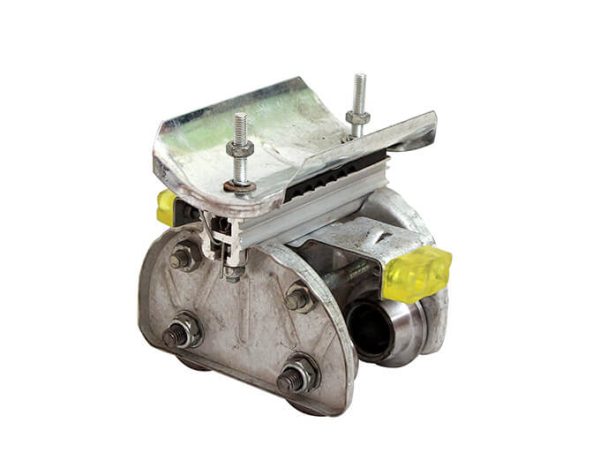
- Pulley System: Wire ropes pass through pulleys to lift or lower the hook.
- Heavy Load Handling: Allows precise vertical movement of heavy objects in construction, port, or industrial operations.
2.2 Traveling Mechanism
- Tyre Drive: Rubber tyres enable mobility without rails.
- Control System: Operators manage forward/reverse movement and steering via the control panel.
- Steering Function: Allows flexible movement in multiple directions, enabling precise load positioning.
2.3 Electrical Control System
- Central Control: Integrates lifting, traveling, start/stop, and speed adjustment functions.
- Safety Sensors & Limit Switches: Prevent overload, over-travel, and collisions.
- Remote Operation: Supports both ground and wireless control for safer and more efficient handling.
3. Typical Working Process
- Positioning: Move the crane to the target location using the traveling mechanism.
- Preparation: Adjust the hoisting mechanism; ensure hook and wire ropes are ready.
- Lifting: Lower the hook above the load and lift through motor-driven operation.
- Transport: Move the load horizontally to the designated location.Reset: Retract the hook and wire ropes for the next operation.
- Placement: Lower the load to its target position.
4. Advantages and Features
- High Flexibility: Move between areas without fixed tracks.
- No Rail Requirement: Reduces installation and maintenance costs.
- Wide Application: Suitable for ports, construction, logistics, and heavy industries.
- Safe and Easy Operation: Electrical controls and remote operation simplify tasks.
- Heavy Load Capability: Can handle containers, machinery, and bulk materials efficiently.
5. Typical Application Scenarios
- Port Operations: Container stacking and cargo transfer.
- Construction Sites: Lifting building materials, especially where rails are impractical.
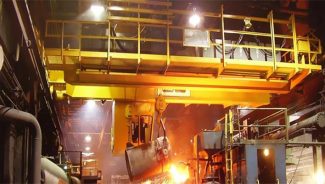
- Heavy Industry: Handling equipment in steel plants and machinery factories.
- Logistics Centers: Material sorting, loading, and unloading.
6. FAQ – Rubber Tyred Gantry Crane
Q1: How high can an RTG crane lift?
A: Depending on the model, most RTG cranes can lift between 20 to 50+ tons with heights adjustable for container stacking or industrial needs.
Q2: Do RTG cranes require rails?
A: No. Their rubber tyres allow them to operate on paved surfaces without permanent tracks.
Q3: Can RTG cranes operate outdoors in all weather?
A: Yes, but heavy-duty versions include weatherproof electrical systems and corrosion-resistant materials for tropical or coastal environments.
Q4: How is maintenance handled for RTG cranes?
A: Regular inspection of tyres, hoisting mechanism, wire ropes, and electrical systems is required. Most suppliers provide preventive maintenance plans.
Conclusion
A Rubber Tyred Gantry Crane is a versatile, mobile lifting solution that integrates hoisting, traveling, and electrical control systems to handle heavy loads efficiently. Its mobility, flexibility, and wide range of applications make it indispensable in ports, construction sites, heavy industries, and logistics centers. Understanding its working principle ensures safer operations, better productivity, and optimal equipment utilization.





-600x476.jpg)