Home / News / Overhead Crane or Transfer Cart: How to Choose the Best Heavy Material Handling Equipment for Manufacturing Plants
Overhead Crane or Transfer Cart: How to Choose the Best Heavy Material Handling Equipment for Manufacturing Plants
By weikexiwen ·
08
28
,
2026
Share this:
Meta Description
Overhead cranes and heavy duty transfer carts are both widely used for industrial material handling. Learn how to choose the right solution based on lifting capacity, factory layout, automation requirements, and operating costs.
Target Keywords
Primary Keywords:
overhead crane
heavy duty transfer cart
heavy material handling equipment
industrial lifting solution
Secondary Keywords:
overhead crane vs transfer cart
factory material handling system
EOT crane
automated transfer cart
industrial transportation equipment
heavy load transportation solution
Introduction
Efficient material handling is one of the most important factors affecting productivity in modern manufacturing plants.
Industries such as:
Steel manufacturing
Shipbuilding
Automotive production
Heavy machinery manufacturing
Aerospace manufacturing
often need to transport large and heavy materials safely and efficiently.
Traditionally, overhead cranes have been the preferred solution for lifting and moving heavy loads.
However, with the development of intelligent manufacturing and automated logistics, heavy duty transfer carts and AGV-based transportation systems are becoming increasingly popular.
This creates an important question for factory owners and engineers:
Should a manufacturing plant choose an overhead crane or a transfer cart for heavy material handling?
The answer depends on lifting requirements, transportation distance, factory layout, automation goals, and investment budget.
1. Understanding Overhead Crane Systems
What Is an Overhead Crane?
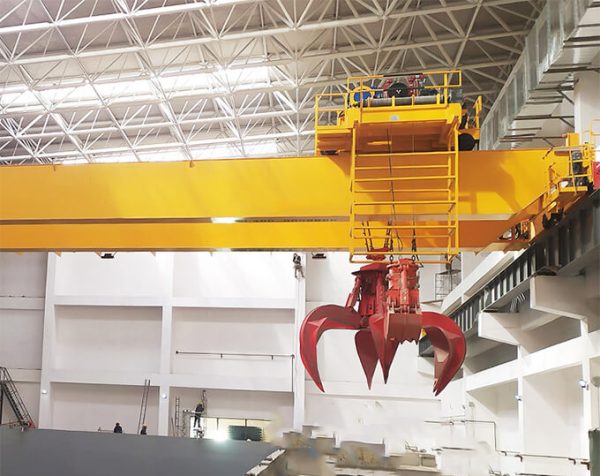
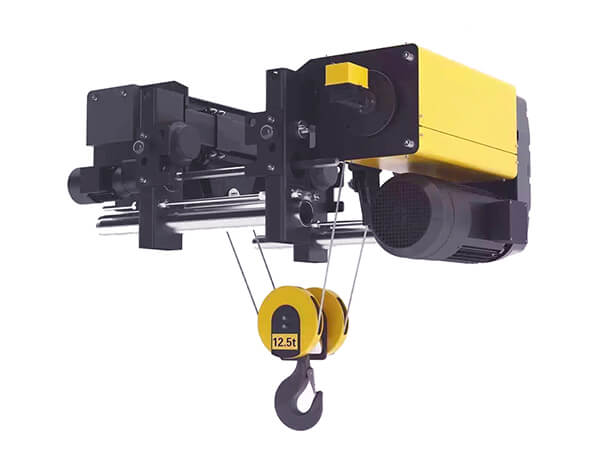
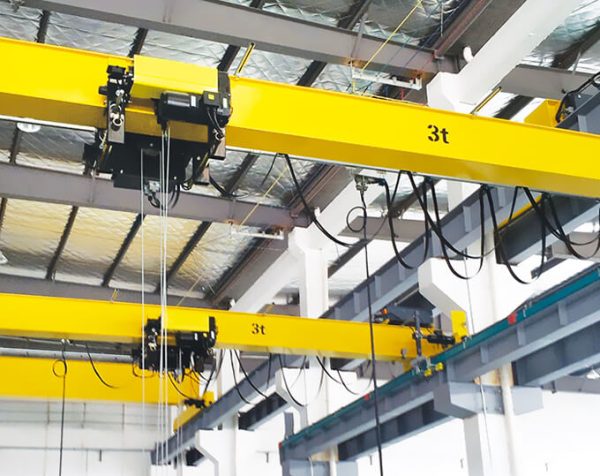
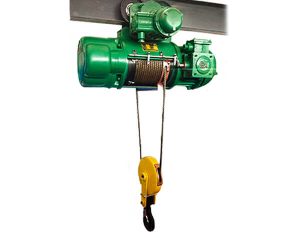
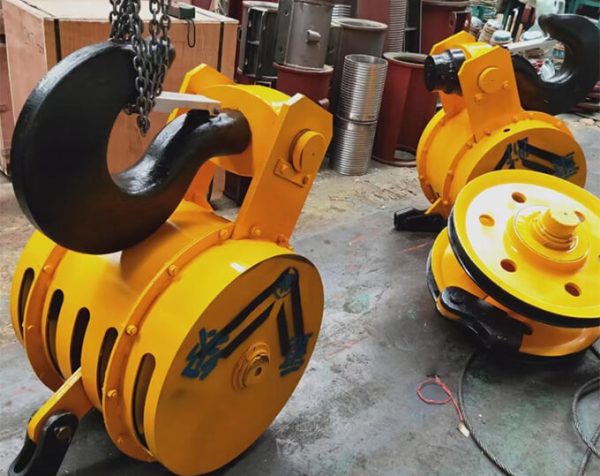
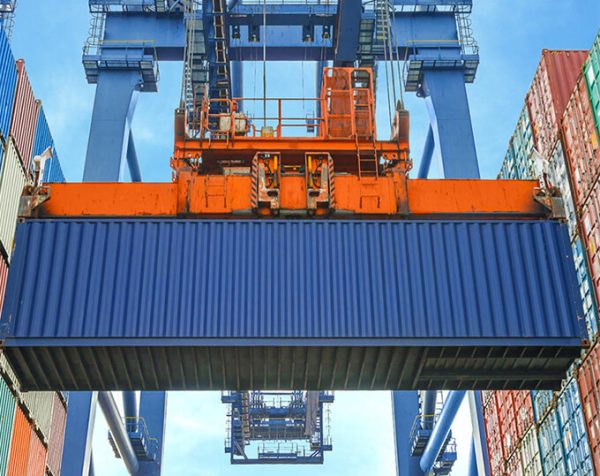
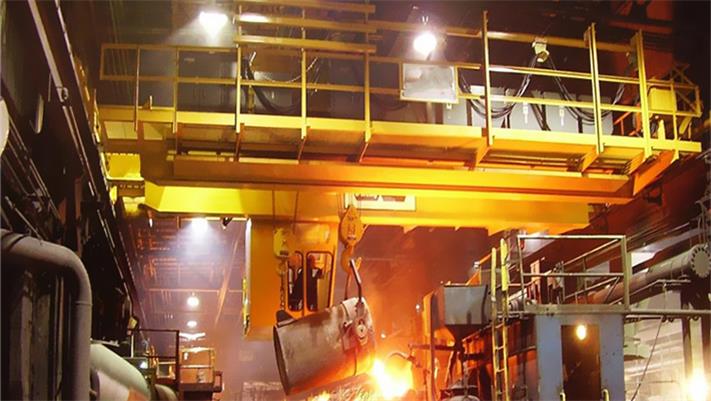
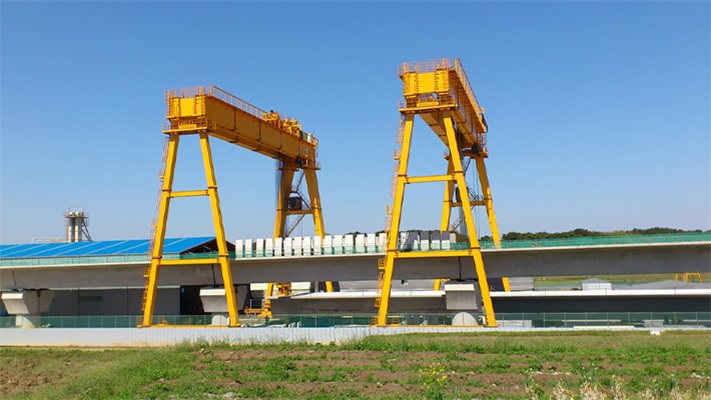
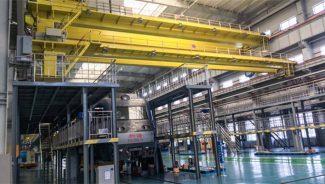
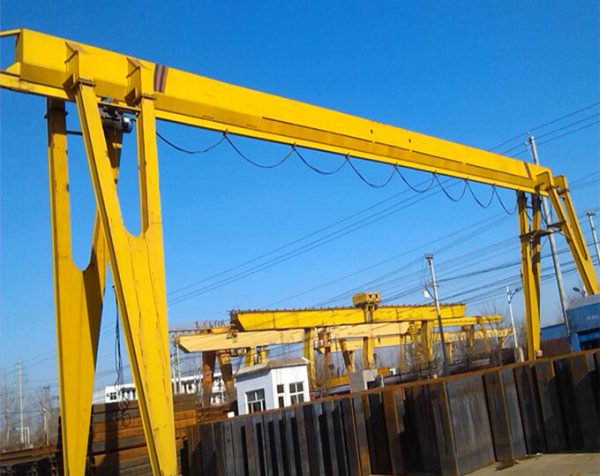
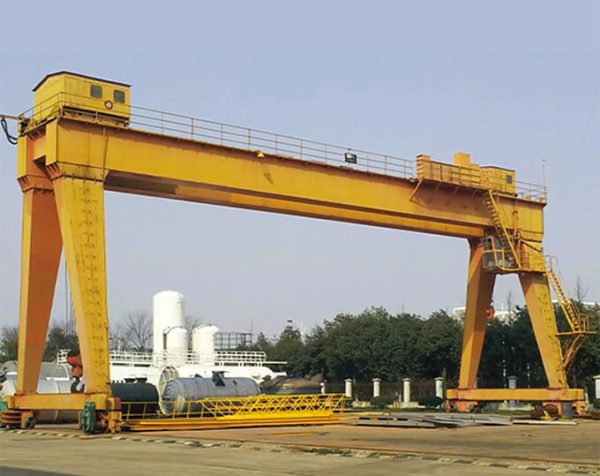
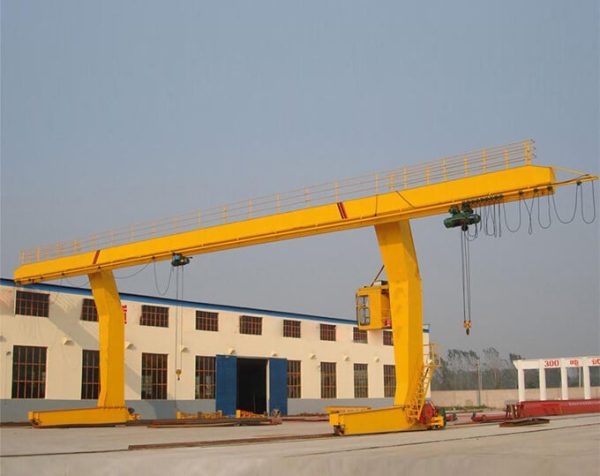
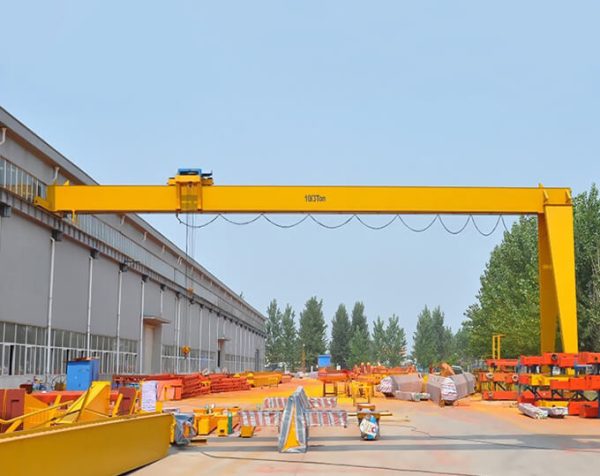
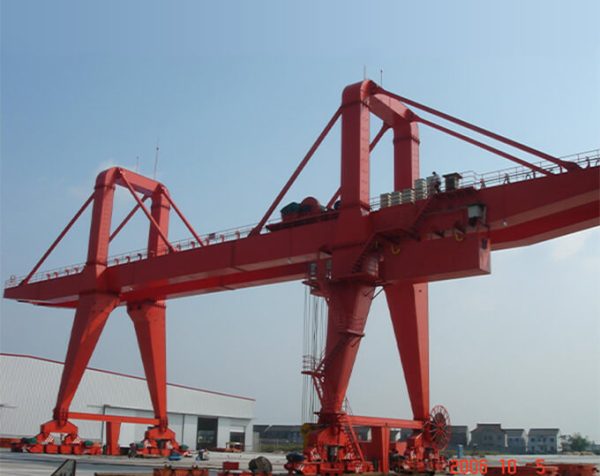
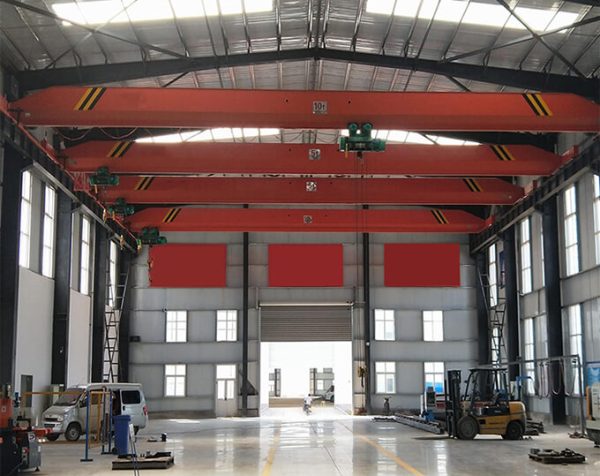
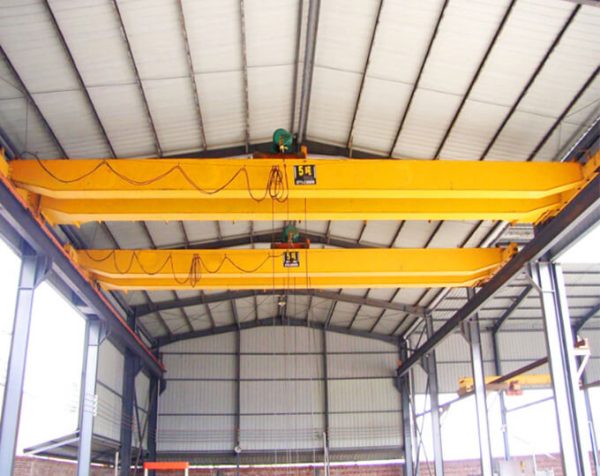
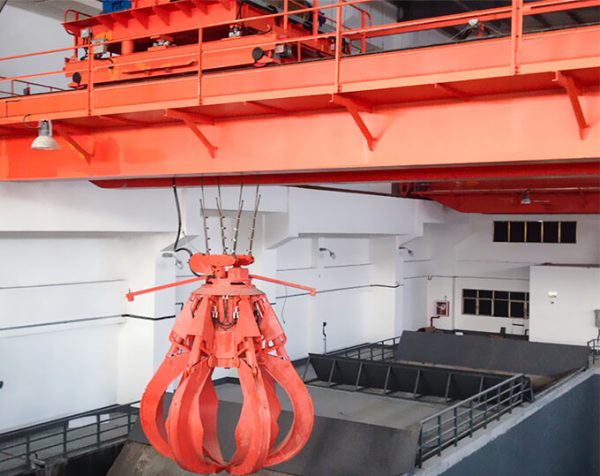
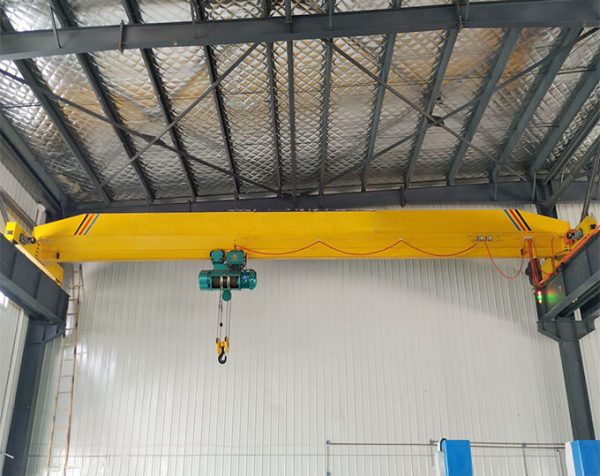
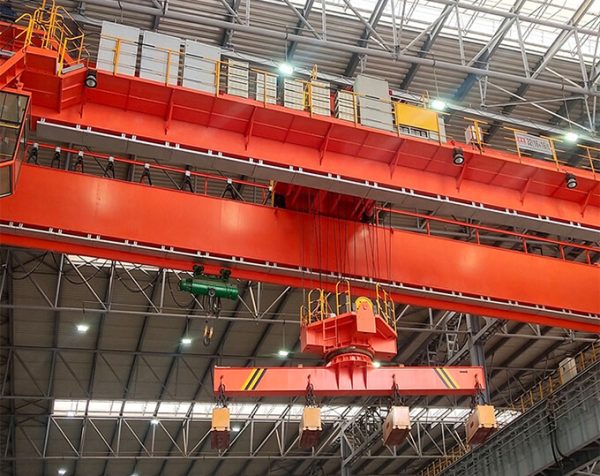
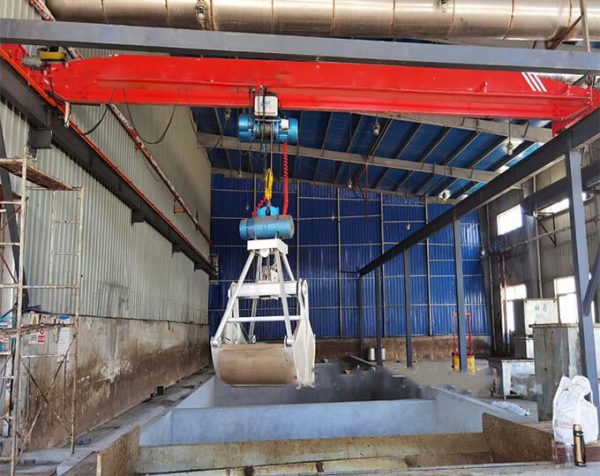
An overhead crane, also called a bridge crane or EOT crane (Electric Overhead Traveling Crane), is a lifting system installed above the working area.
It usually consists of:
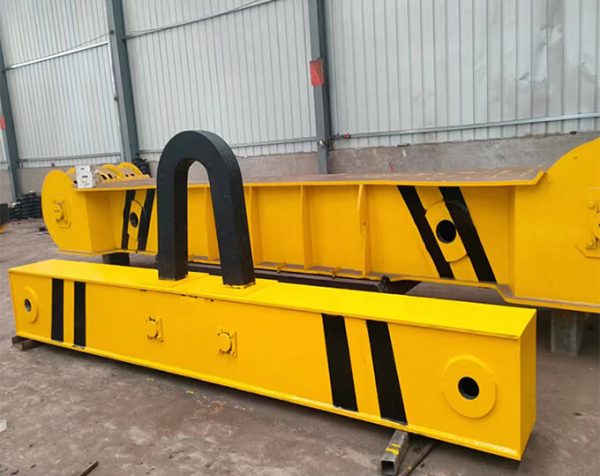
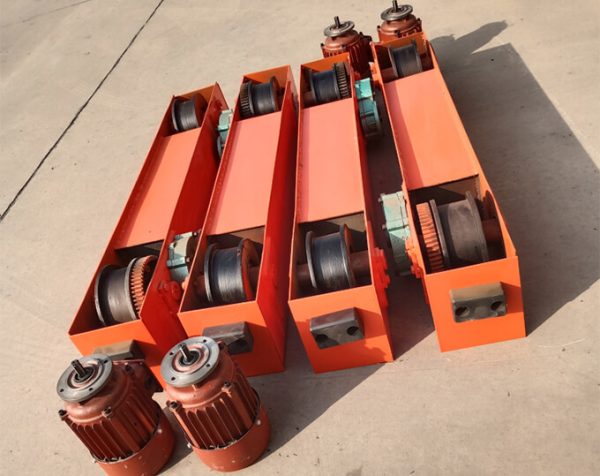
Bridge girder
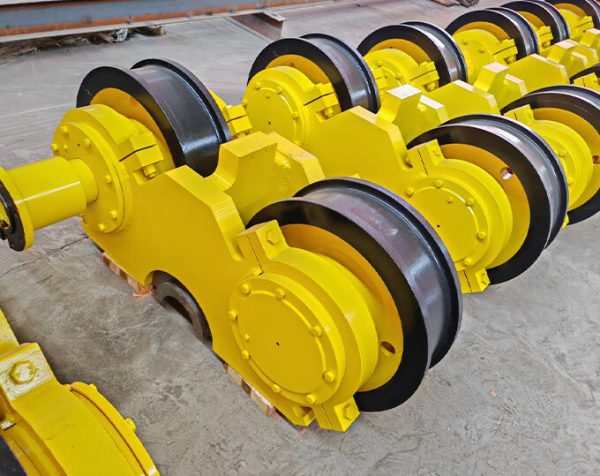
End trucks
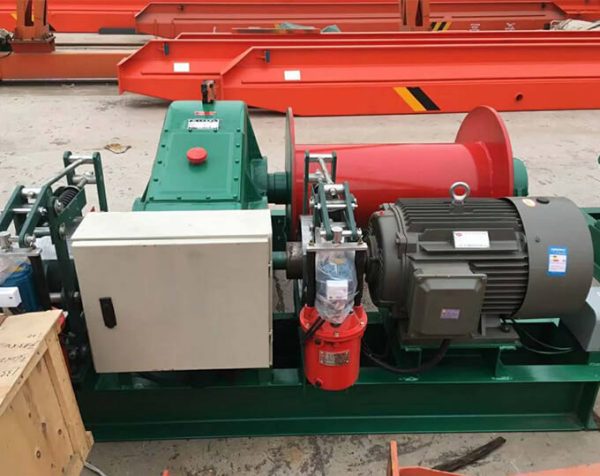
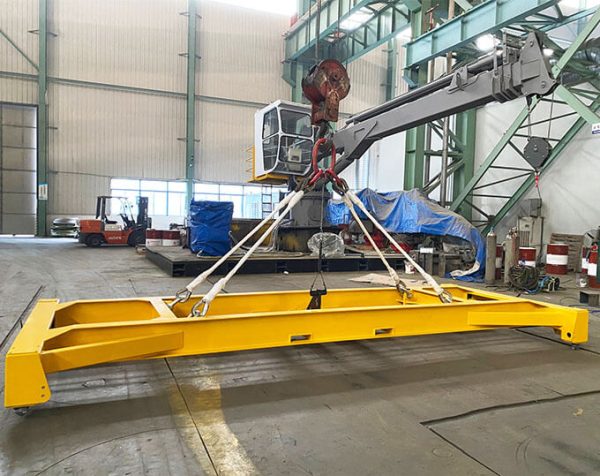
Hoisting mechanism
Electrical control system
Crane runway structure
The crane moves along elevated rails and performs lifting, lowering, and horizontal transportation operations.
Advantages of Overhead Cranes
1. Excellent Vertical Lifting Capability
The biggest advantage of overhead cranes is their ability to handle extremely heavy loads.
Depending on the design, industrial cranes can lift:
Several tons
Dozens of tons
Even hundreds of tons
This makes them suitable for demanding industries.
2. Maximum Floor Space Utilization
Because overhead cranes operate above the production area:
Ground space remains available
Production lines are not blocked
Materials can be lifted vertically
This is especially valuable in factories where floor space is limited.
3. Reliable Long-Term Operation
Overhead cranes have mature technology and are widely used worldwide.
Typical applications include:
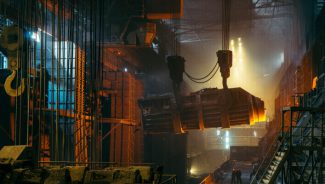
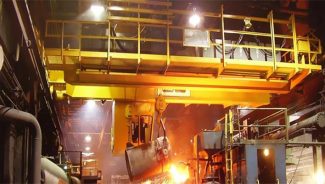
Steel mills
Foundries
Machine shops
Power plants
Shipyards
Limitations of Overhead Cranes
Despite their advantages, overhead cranes also have some limitations.
1. Higher Building Requirements
Factories must provide:
Strong supporting columns
Crane runway beams
Sufficient building height
For new factory construction, these requirements may increase infrastructure costs.
2. Limited Transportation Flexibilit
Because overhead cranes operate on fixed rails:
Movement is limited to crane runways
Cross-building transportation can be difficult
Production layout changes may require modifications
2. Understanding Heavy Duty Transfer Carts
What Is a Heavy Duty Transfer Cart?
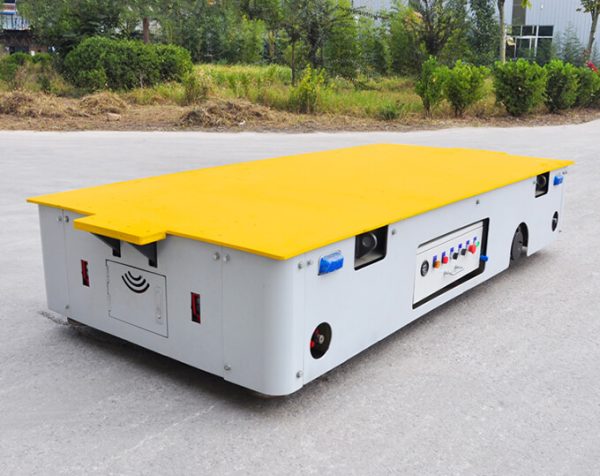
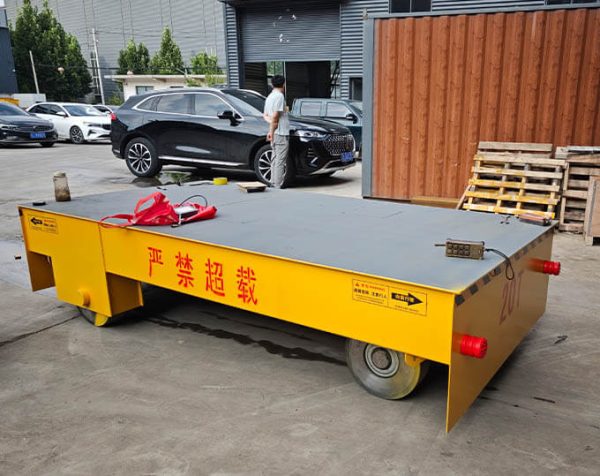
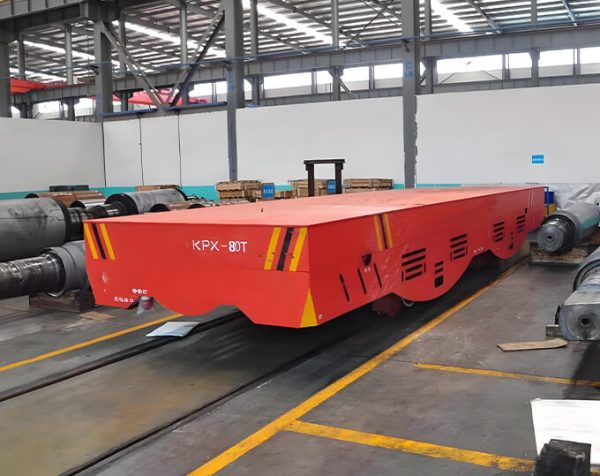
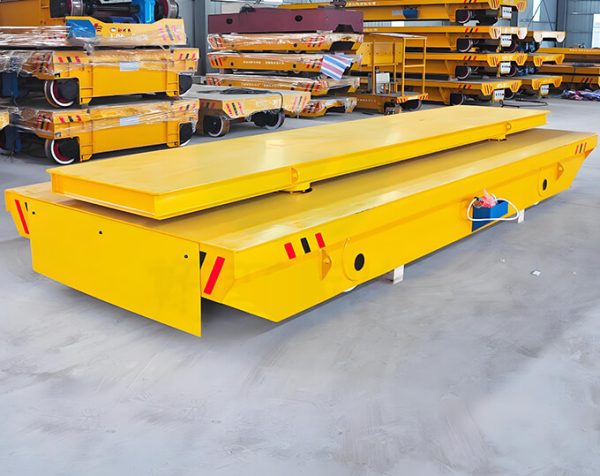
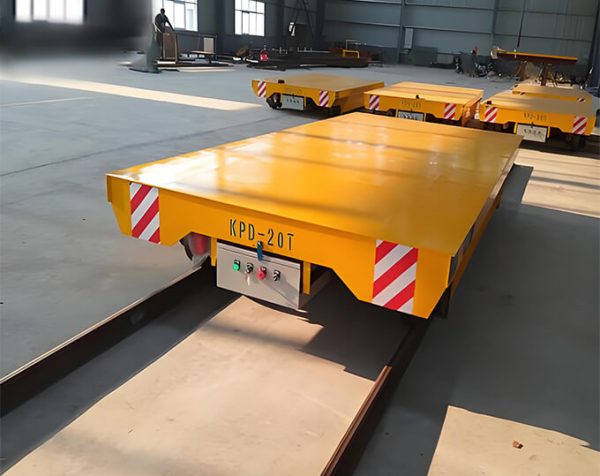
A heavy duty transfer cart is an industrial transportation platform designed for moving heavy loads horizontally.
Types include:
Rail transfer carts
Battery-powered transfer carts
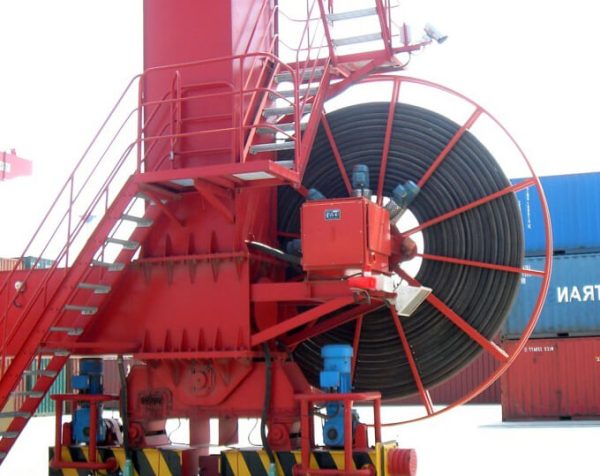
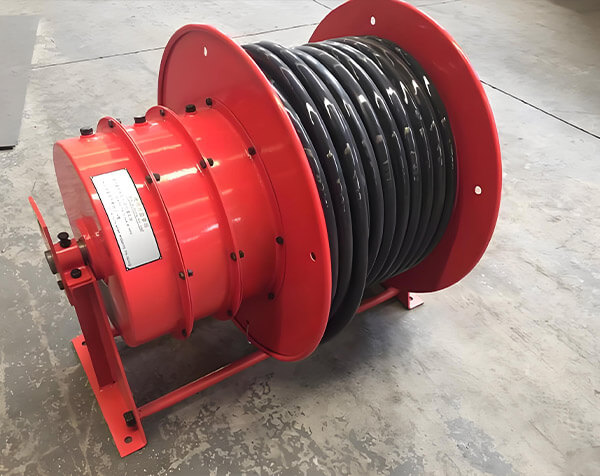
Cable-powered transfer carts
Automated guided transfer carts (AGV)
They are widely used for transporting:
Steel coils
Machine components
Molds
Heavy structures
Industrial equipment
Advantages of Heavy Duty Transfer Carts
1. High Transportation Flexibility
Unlike fixed overhead crane systems, transfer carts can be designed for flexible movement.
They can transport materials:
Between different workshops
Across production areas
Along customized routes
This makes them ideal for factories with complex production layouts.
2. Lower Factory Construction Requirements
Transfer carts mainly rely on the factory floor for support.
Compared with overhead cranes, they usually require:
No crane runway beams
No roof reinforcement
Lower building height requirements
This can reduce initial factory construction costs.
3. Strong Automation Potential
Modern transfer carts can integrate:
Laser navigation
Automatic obstacle detection
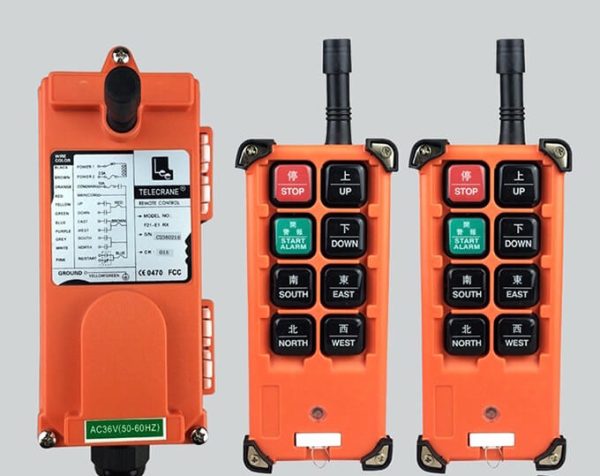
Wireless control
Intelligent scheduling systems
They are suitable for smart factories and Industry 4.0 production environments.
Limitations of Transfer Carts
1. Require Ground Transportation Space
Because transfer carts operate on the factory floor:
Transportation routes must be planned
Safety areas are required
Floor load capacity must be considered
2. Not Designed for Frequent Vertical Lifting
Transfer carts are mainly transportation equipment.
If a factory requires frequent lifting and lowering operations, overhead cranes may be a better choice.
Overhead Crane vs Heavy Duty Transfer Cart Comparison
Comparison Factor
Overhead Crane
Heavy Duty Transfer Cart
Main Function
Lifting and overhead transportation
Ground-level heavy load transportation
Load Capacity
Excellent for very heavy loads
Suitable for large horizontal loads
Installation Requirement
Requires crane runway structure
Requires reinforced floor
Space Usage
Uses overhead space
Uses floor transportation space
Mobility
Limited by crane track
Flexible movement
Automation
Available but complex
Highly compatible with AGV systems
Best Application
Fixed lifting operations
Long-distance material transportation
3. How Should Factories Make the Right Choice?
There is no single solution suitable for every manufacturing plant.
Companies should consider the following factors:
1. Material Handling Method
Choose an overhead crane if:
Materials need frequent lifting
Loads must move vertically
Operation points are fixed
Choose a transfer cart if:
Materials mainly move horizontally
Long-distance transportation is required
Multiple workshops are involved
2. Factory Layout
Limited Floor Space
Overhead cranes are usually preferred because they use vertical space.
Large Open Factory Area
Transfer carts provide greater flexibility.
3. Automation Requirements
For traditional manufacturing:
Overhead cranes are reliable and cost-effective
For smart factories:
Automated transfer carts provide easier integration with digital production systems
4. Future Expansion Plans
When designing a new factory, companies should consider future production changes.
Transfer carts provide:
Flexible route planning
Easy production adjustment
Expandable transportation systems
Overhead cranes provide:
Stable lifting capacity
Long service life
High reliability
Application Industries
Steel Industry
Used for:
Steel coil transportation
Steel plate handling
Heavy equipment movement
Shipbuilding
Used for:
Ship section transportation
Large structure movement
Machinery Manufacturing
Used for:
Mold transportation
Machine component handling
Automotive Industry
Used for:
Production line logistics
Automated material transportation
Energy Industry
Used for:
Heavy equipment installation
Maintenance operations
Conclusion
Both overhead cranes and heavy duty transfer carts play important roles in modern industrial material handling.
An overhead crane is the preferred solution when factories need:
High lifting capacity
Vertical movement
Fixed-position operations
A heavy duty transfer cart is a better choice when companies require:
Flexible transportation
Cross-workshop movement
Automated logistics
Lower building investment
For many modern factories, the most efficient solution is not choosing one technology over another, but combining different systems according to production requirements.
By selecting the right heavy material handling equipment, manufacturers can improve productivity, reduce operating costs, and build safer and smarter production environments.
Frequently Asked Questions (FAQ)
1. What is the difference between an overhead crane and a transfer cart?
An overhead crane mainly performs lifting and overhead transportation, while a transfer cart is designed for horizontal movement of heavy loads on the factory floor.
2. Which is cheaper: an overhead crane or a transfer cart?
The total cost depends on the project. Transfer carts may reduce factory construction costs because they require less building modification. However, overhead cranes may be more economical for fixed lifting operations.
3. Can transfer carts replace EOT cranes?
In some applications, yes. Transfer carts can replace EOT cranes when the main requirement is heavy horizontal transportation rather than frequent vertical lifting.
4. Are automated transfer carts suitable for smart factories?
Yes. Automated transfer carts can integrate navigation, sensors, and production management systems to support intelligent manufacturing.
5. Which industries use overhead cranes?
Overhead cranes are widely used in steel plants, shipyards, power plants, machinery factories, foundries, and heavy manufacturing industries.




-600x476.jpg)